What is Batik Fabric
What Is Batik Fabric?
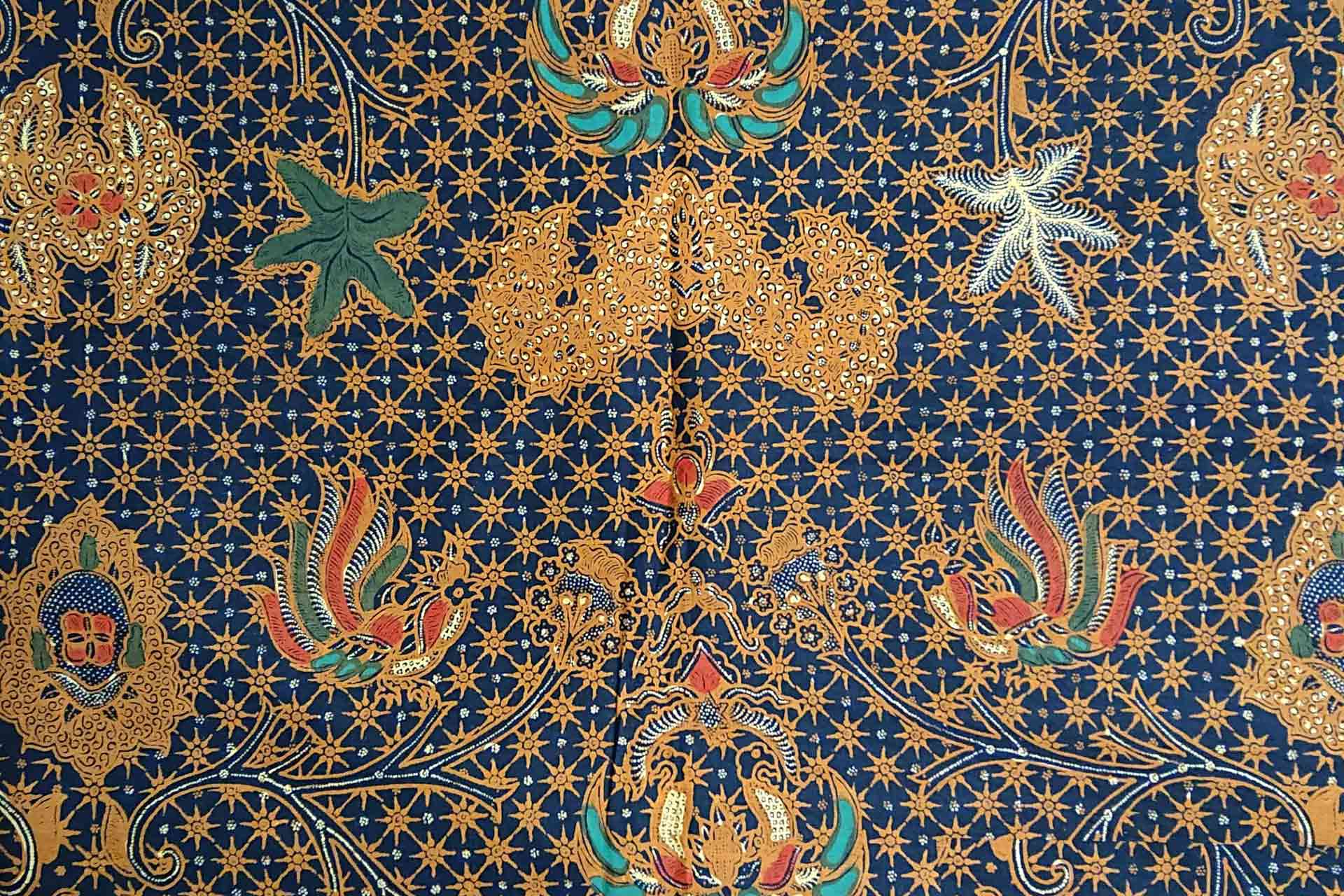
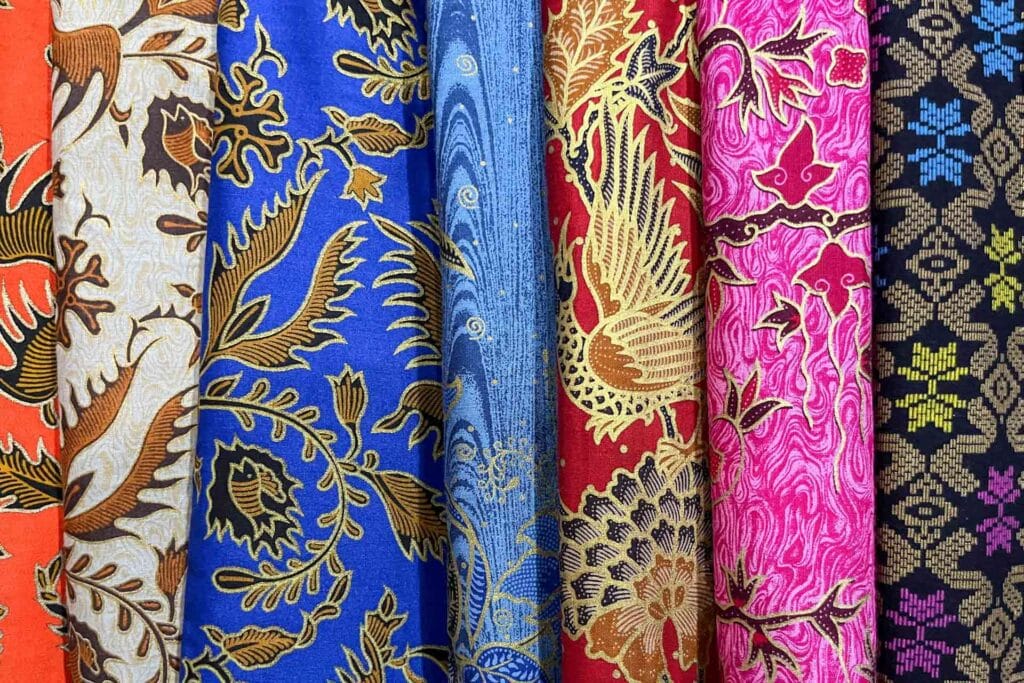
Batik fabric refers to cloth that has been decorated through a resist-dyeing method using wax. The wax acts as a barrier, allowing certain areas to remain undyed while the rest of the fabric absorbs color.
This process can be repeated multiple times with different dyes to create complex, multi-colored designs. Because of its handmade nature, no two pieces of batik fabric are exactly the same.
How Is Batik Fabric Made?
The process of making batik fabric involves several detailed steps:
1. Applying Wax
Hot wax is applied to the fabric using tools such as a canting (a pen-like instrument) or a stamp.
2. Dyeing the Fabric
The fabric is then dipped into dye. The waxed areas resist the dye and remain unchanged.
3. Drying and Reapplying Wax
After drying, more wax can be added for additional patterns or color layers.
4. Removing the Wax
The wax is removed by boiling or heating, revealing the final design.
This process may be repeated multiple times to achieve intricate and colorful patterns.
Types of Batik Fabric
There are several types of batik fabric, each defined by the production method:
Batik Tulis (Hand-Drawn Batik)
Created entirely by hand using a canting tool. This is the most traditional and time-consuming method.
Batik Cap (Stamped Batik)
Patterns are applied using copper stamps, allowing for faster production while maintaining a handmade feel.
Batik Print (Machine-Printed)
Modern batik-inspired designs produced through printing techniques. These are more affordable but lack traditional craftsmanship.
Batik Fabric Properties
Batik fabric has several unique properties:
- Breathable and comfortable (often made from cotton or rayon)
- Rich, vibrant colors
- Distinctive handcrafted patterns
- Slight stiffness due to wax treatment
One of its most notable characteristics is that every piece is unique, especially in handmade batik.
What Is Batik Fabric Used For?
Batik fabric is widely used in various applications:
Clothing
- Dresses
- Shirts
- Traditional garments like sarongs
Home Décor
- Curtains
- Cushion covers
- Tablecloths
Crafts and Accessories
- Bags
- Scarves
- Decorative items
Its versatility makes it popular in both traditional and modern design.
History of Batik Fabric
Batik has a long history that dates back over 2,000 years. It is most closely associated with Indonesia, particularly the island of Java, where it became an important cultural tradition.
In 2009, batik was recognized by UNESCO as an Intangible Cultural Heritage of Humanity. Today, batik continues to be an important symbol of identity and craftsmanship in many cultures.
Is Batik Fabric Cotton or Synthetic?
Batik fabric is most commonly made from natural fibers such as cotton or silk. These materials absorb dye effectively and work well with the wax-resist process.
However, modern batik-style fabrics may also use rayon or synthetic blends for different textures and cost efficiency.
Batik Fabric vs Printed Fabric
While batik fabric and printed fabric may look similar, they are quite different:
- Batik fabric: Created using wax-resist dyeing, often handmade
- Printed fabric: Designs are applied using machines or digital printing
Batik typically has deeper color variation and more organic patterns, while printed fabric appears more uniform.
FAQs About Batik Fabric
Is batik fabric handmade?
Traditional batik is handmade, especially batik tulis and batik cap.
Is batik fabric expensive?
Handmade batik is usually more expensive due to the labor-intensive process.
Can batik fabric be washed?
Yes, but gentle washing with mild detergent is recommended to preserve colors.
Conclusion
Batik fabric is more than just a textile—it represents a rich tradition of craftsmanship, culture, and artistic expression. From its wax-resist dyeing process to its unique patterns, batik continues to be valued around the world.
If you are looking for high-quality batik fabric for fashion, décor, or wholesale supply, feel free to contact us for samples and pricing options.