
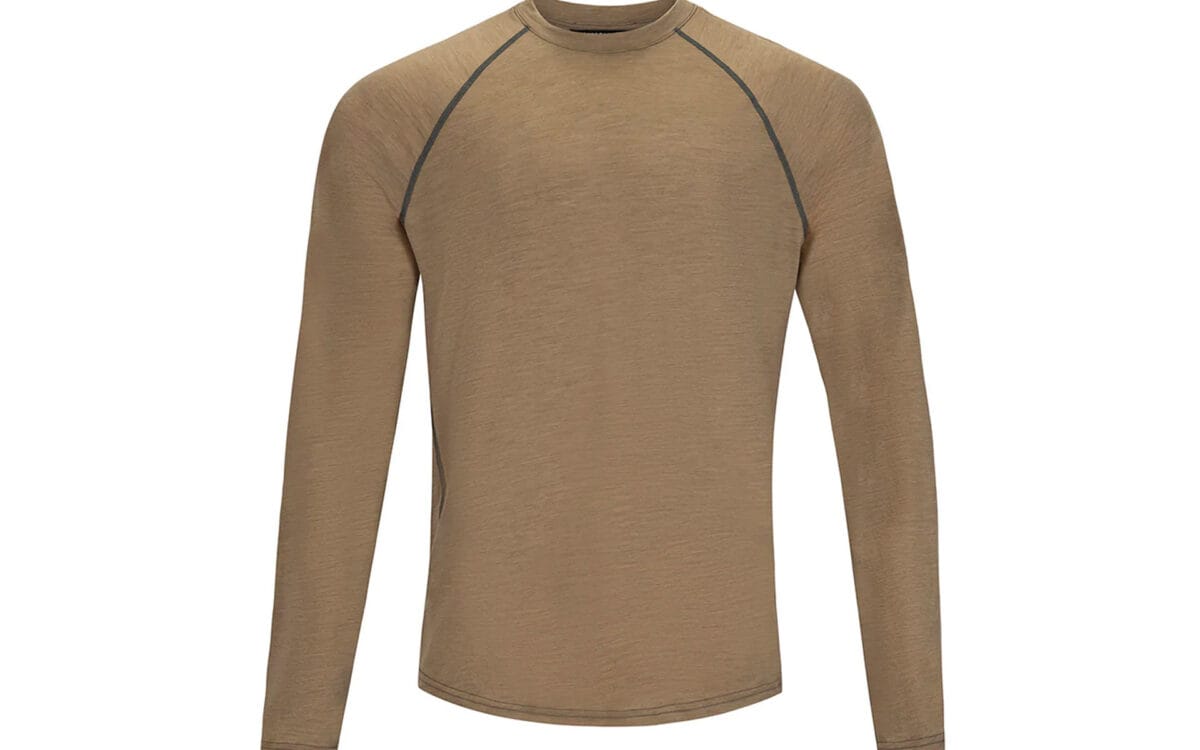
As the outdoor and performance apparel markets continue to grow, designers are constantly searching for the "perfect" fiber that can withstand extreme climates while maintaining all-day comfort. This guide explores why the Merino wool base layer has become the gold standard for professional sporting gear. We will analyze the exceptional "thermoregulating" performance of Merino knit in both winter insulation and summer moisture management.
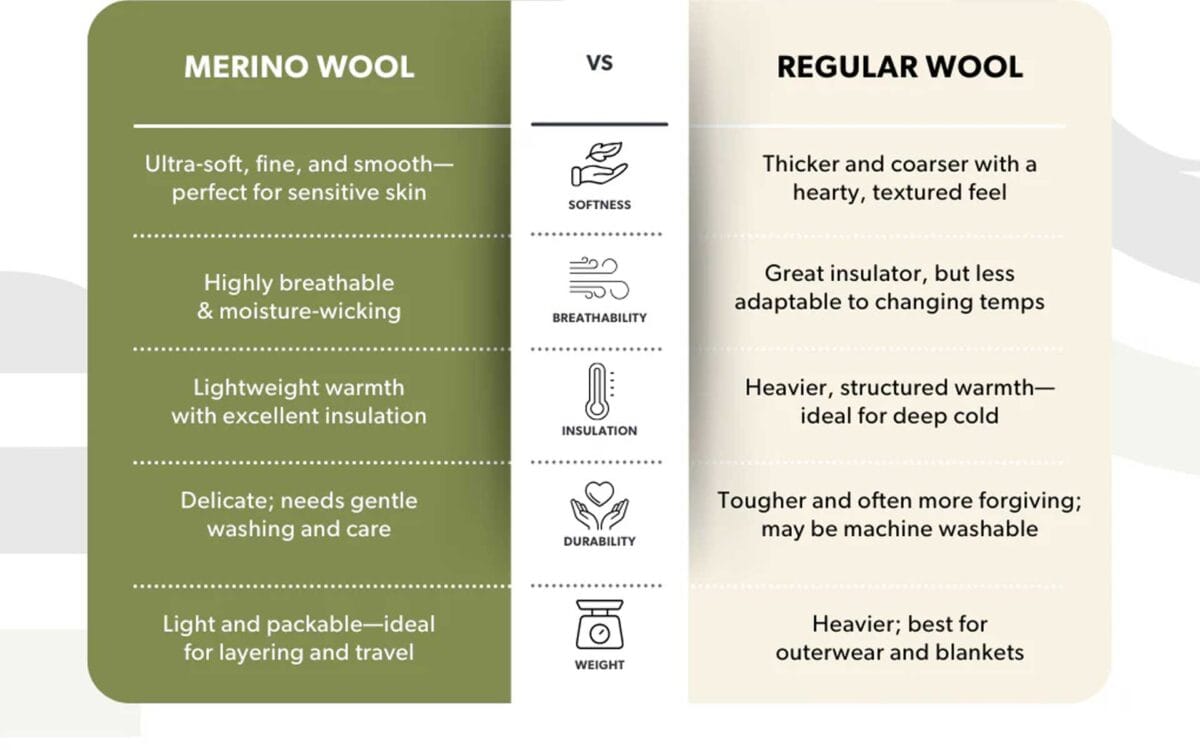
For many designers and consumers, the term "wool" evokes images of heavy, itchy sweaters. However, Merino wool has completely redefined expectations for natural fibers. This comparative guide breaks down the essential differences between wool and merino wool, focusing on the technical reasons why Merino is considered the gold standard for high-performance apparel. By analyzing key performance metrics—including softness, thermoregulation, and odor resistance—we help you understand why choosing pr ...
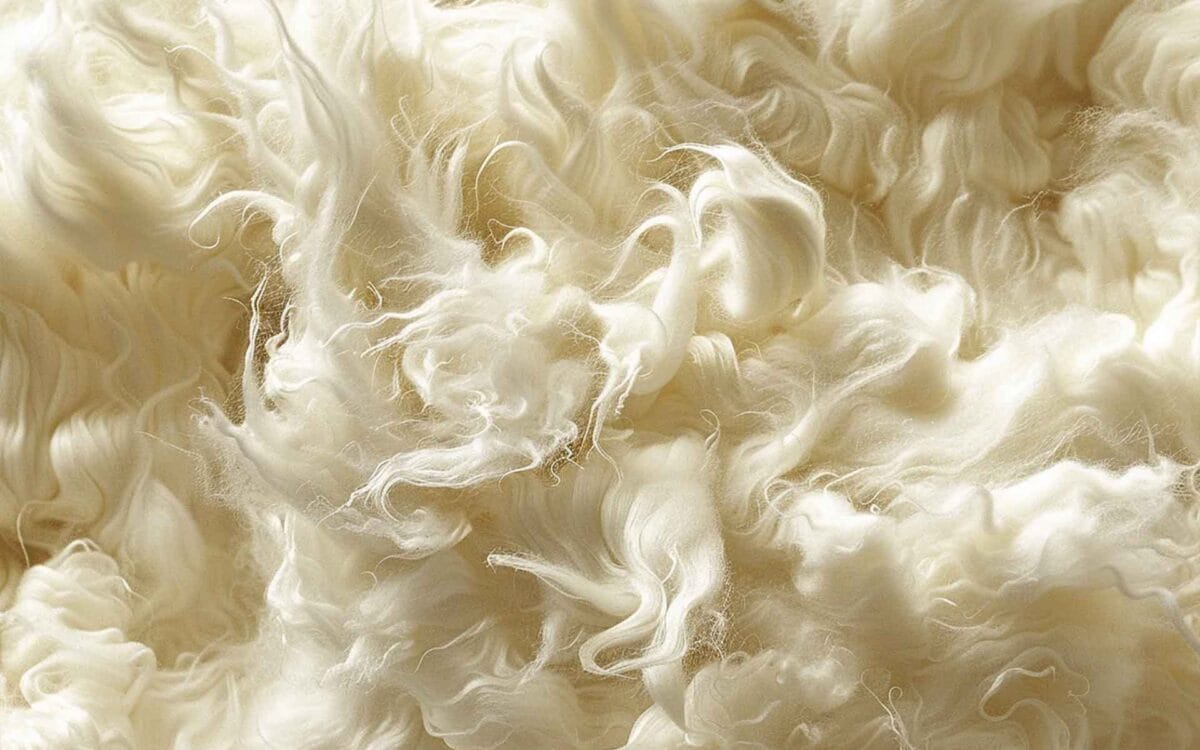
This comprehensive guide explores the world of Merino Wool, often referred to as "Nature’s Performance Fiber." We dive into the origins of the Merino sheep, explaining why this specific breed produces wool that is far superior to standard varieties. By understanding technical aspects like micron counts, readers will learn why Merino is famous for being exceptionally soft and itch-free.
Recent News
To choose the right fabric for clothes, focus on three things: climate, purpose, and comfort. 👉 Simple rule: Hot weather → choose breathable fabrics (cotton, linen) Daily wear → choose durable fabri ...
Is Twill Comfortable? Quick Answer Yes—twill is generally comfortable, especially for everyday wear. It feels: Soft after a few washes Durable but not stiff More structured than plain cotton 👉 Sim ...
Kente cloth is more than just a fabric — it is a powerful symbol of African heritage, identity, and craftsmanship. Originally from Ghana, Kente is a handwoven textile known for its bright colors, geo ...
If you're shopping for summer clothes or lightweight fabrics, you’ve probably come across viscose and wondered: Is viscose fabric actually breathable, or does it trap heat like synthetic materials? ...
Yes, spandex is extremely stretchable. In fact, spandex (also known as elastane or Lycra) can stretch up to 5–8 times its original length and still return to its original shape.
When people think of nylon, they often picture the heavy, plasticky rain jackets of the past—materials that keep the water out but trap the heat in. This has led to a persistent question in the appare ...
The Short Answer: It’s All About the Construction Pure rayon fiber is a regenerated cellulose fiber made from wood pulp. On its own, the fiber has very little natural elasticity (less than cotton, in ...
In the textile industry, fabrics are usually divided into two clear camps: Natural (like cotton and silk) and Synthetic (like polyester and nylon). However, Viscose sits in a fascinating middle ground ...
The short answer is: Pure polyester fiber is not naturally stretchy, but polyester fabrics can be incredibly elastic depending on how they are made. At XINGYE TEXTILE, we specialize in engineering hi ...
A twill suit is a suit made from twill fabric, a type of textile known for its diagonal weave pattern. Unlike plain weave fabrics, twill has a distinctive texture that makes it: More durable Slightl ...
Batik boucle fabric Burlap Fabric Chenille Chiffon Cotton Damask Drop Cloth Elastane fabric painting Faux fur Felt Fleece Fabric Gabardine Fabric Gingham Jacquard linen Lycra lyocell fabric Merino Wool Minky Fabric Modal Fabric Muslin Nylon organza Polar Fleece Fabric Polyester Poplin quilting fabric Rayon Fabric Satin Weave Silk Fabric spandex sunbrella fabric Taffeta tartans Tencel Terry Cloth tulle fabric Twill Fabric Upholstery Fabric velvet fabric Viscose Waterproof Fabric Wool