
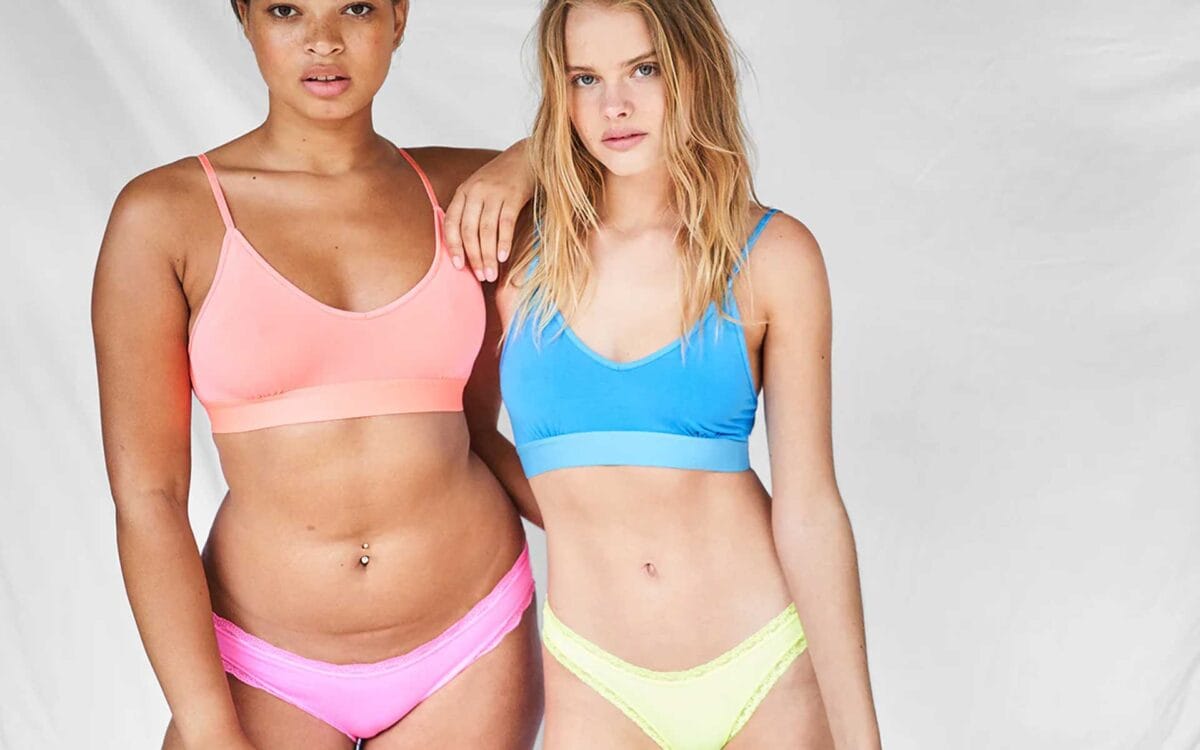
Why Modal is the Ultimate Fabric for Underwear and Bedding
In the quest for the ultimate sleep and daily comfort, the fabric you choose is the single most important factor. While cotton has long been the standard, modal clothing and bedding are rapidly taking over the luxury market. Known for its "liquid" softness and incredible temperature regulation, modal is the secret behind the world’s most comfortable modal fabric underwear and high-end tencel modal sheets. This guide explores why this beechwood-derived fiber is the superior choice for your most i ...
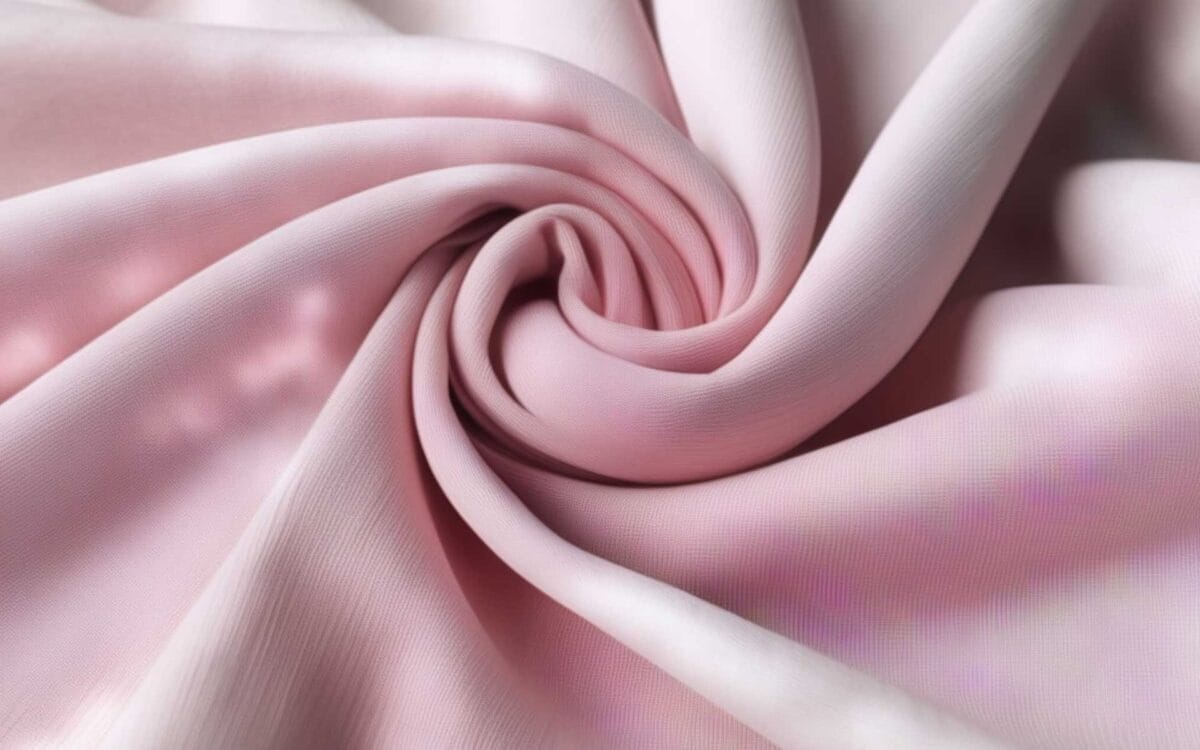
The Best Modal Blends: Why Cotton, Spandex, and Silk Make It Better
While 100% modal is celebrated for its silk-like texture, it is often blended with other fibers to enhance its performance. Whether you are a fashion designer sourcing modal by the yard or a DIY enthusiast looking for the perfect modal jersey fabric, understanding these blends is the key to a successful garment. By mixing modal with cotton, spandex, or silk, manufacturers can balance softness with durability, stretch, and structure.

Lenzing Modal vs Tencel vs MicroModal: What’s the Difference?
In the world of high-performance textiles, names like Lenzing, Tencel, and MicroModal are synonymous with luxury and sustainability. However, for many consumers and designers, the overlap between these terms can be confusing. Are they different fibers, or just different brand names? This guide breaks down the premium hierarchy of modal fibers, helping you choose the right material for your high-end apparel or bedding projects.
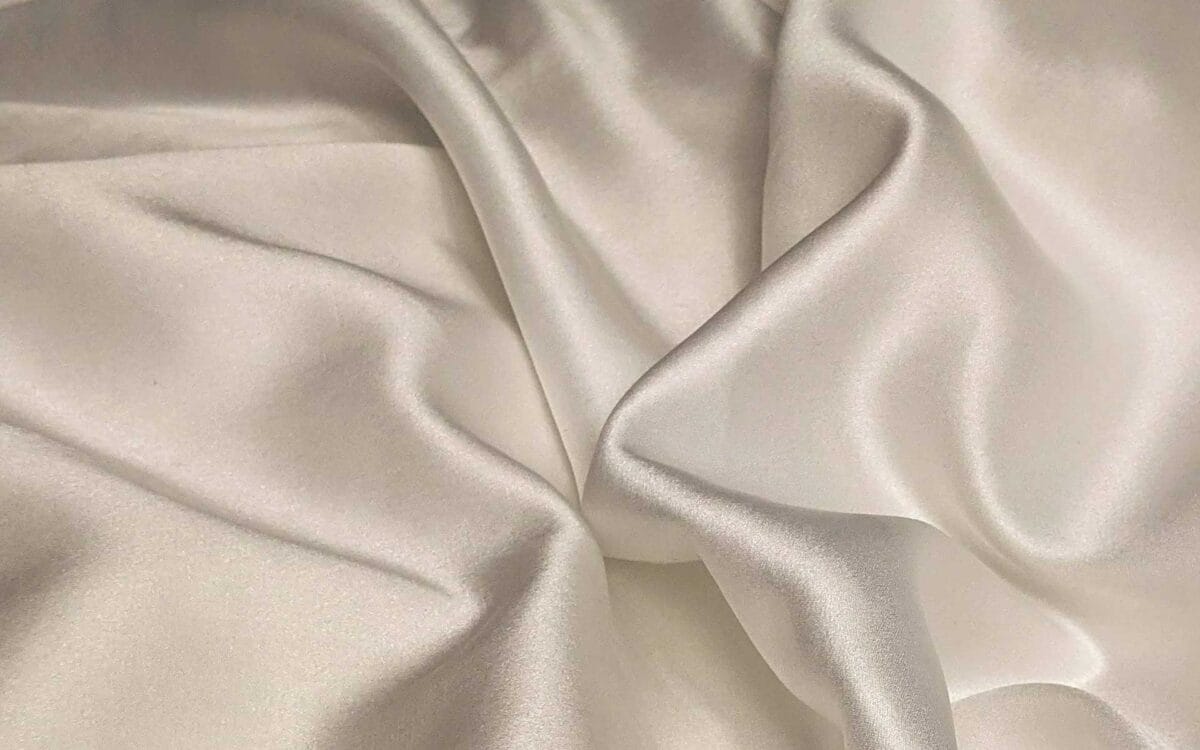
The Pros and Cons of Modal Fabric: 5 Things to Check Before You Buy
Thinking of buying modal? Before you upgrade your wardrobe, weigh the pros and cons of modal fabric. From its legendary softness and hypoallergenic properties to its specific laundry needs and "slouch" factor, here is what you need to know.
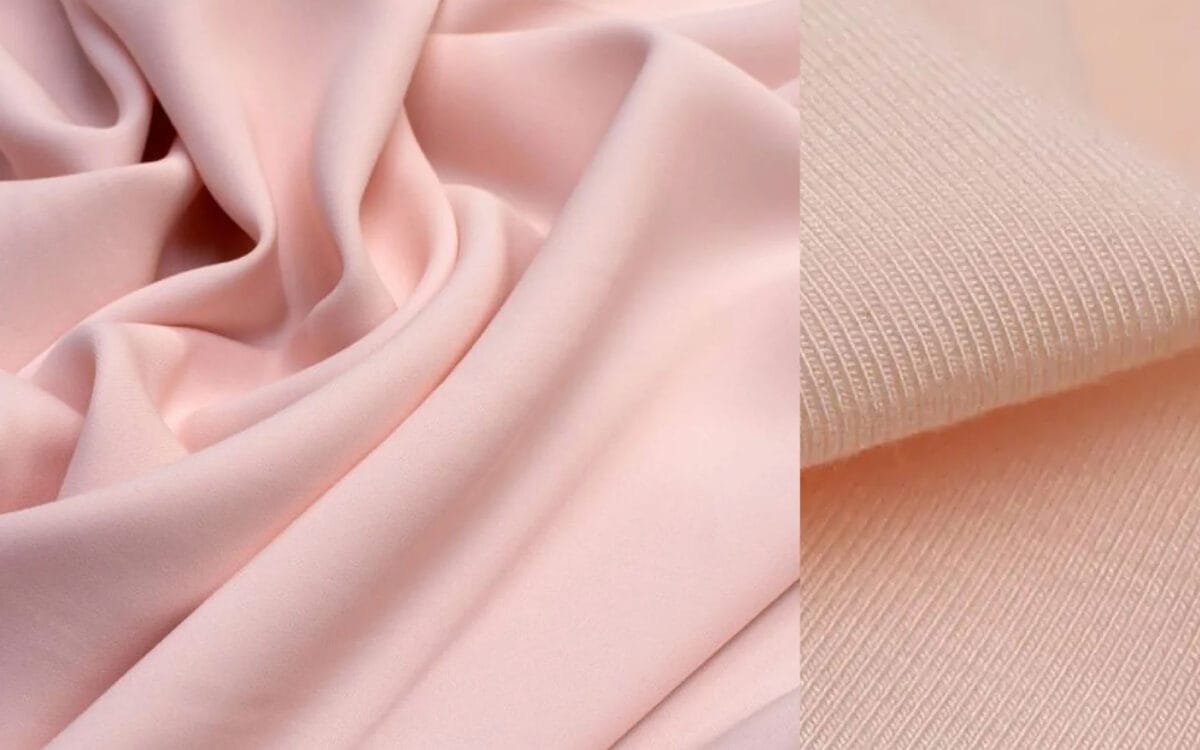
Does Modal Breathe? Everything You Need to Know About Breathability and Wicking
Does modal fabric really breathe? Discover the science behind modal's breathability and moisture-wicking properties. We compare it to cotton and polyester to see if it’s the right choice for your workout or summer wardrobe.
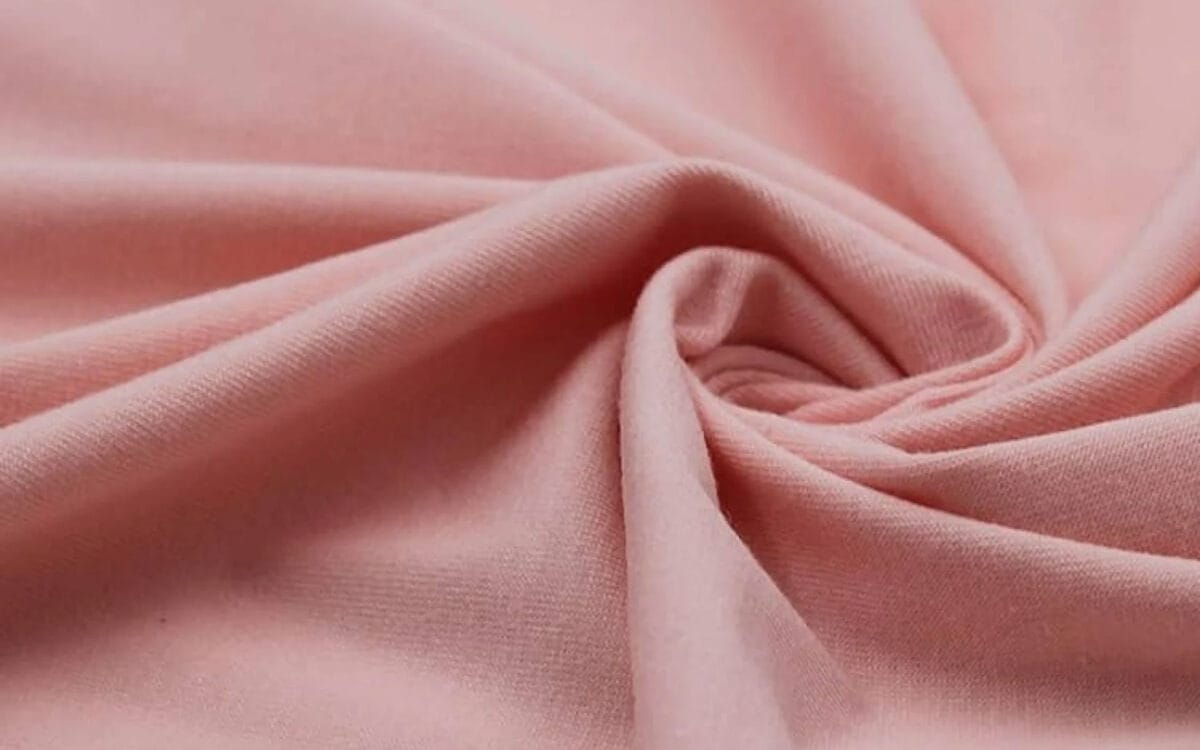
What is Modal Fabric? The Ultimate Guide to the World’s Softest Textile
What is modal fabric exactly? Known as the world's softest textile, modal is a sustainable, silk-like material made from beechwood trees. This ultimate guide covers everything from its production to why it outperforms cotton in comfort and durability.
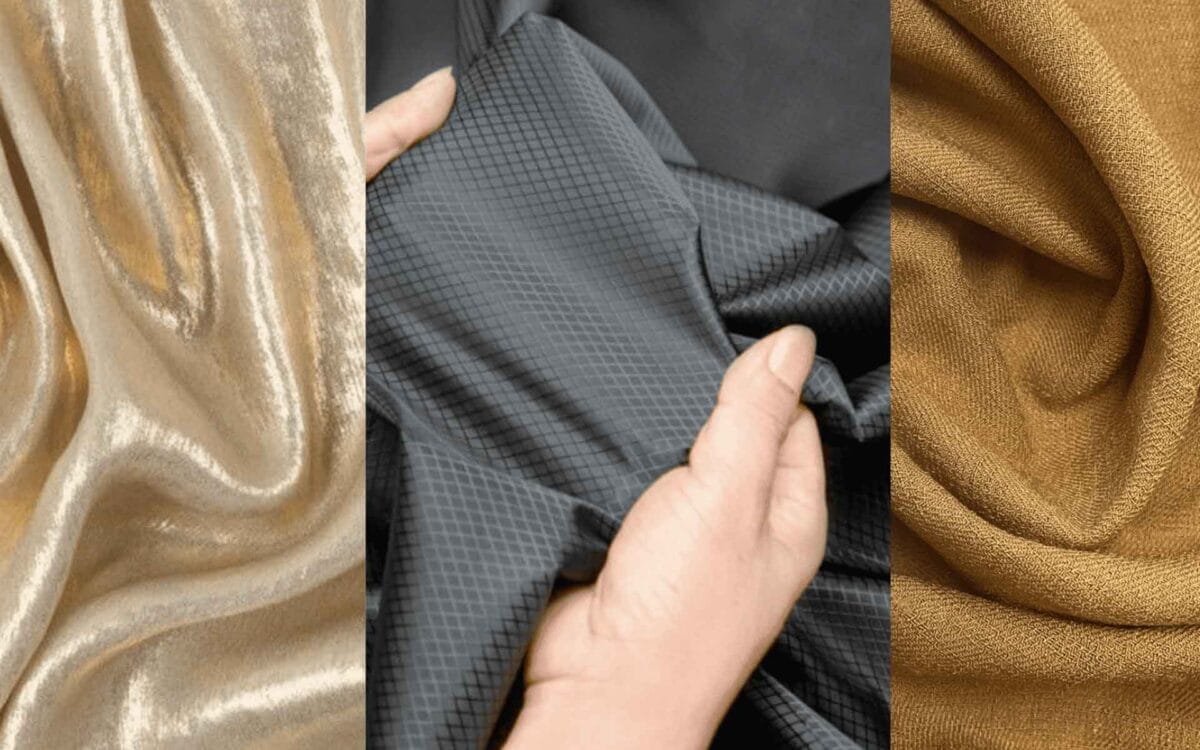
Is Modal Fabric Toxic? A Science-Backed Look at Safety and Your Skin
Is modal fabric toxic or safe for your skin? While the production of modal involves chemicals, the final product is often safer and more eco-friendly than many synthetic alternatives. This guide explores the manufacturing process, chemical safety, and why it’s a top choice for sensitive skin.
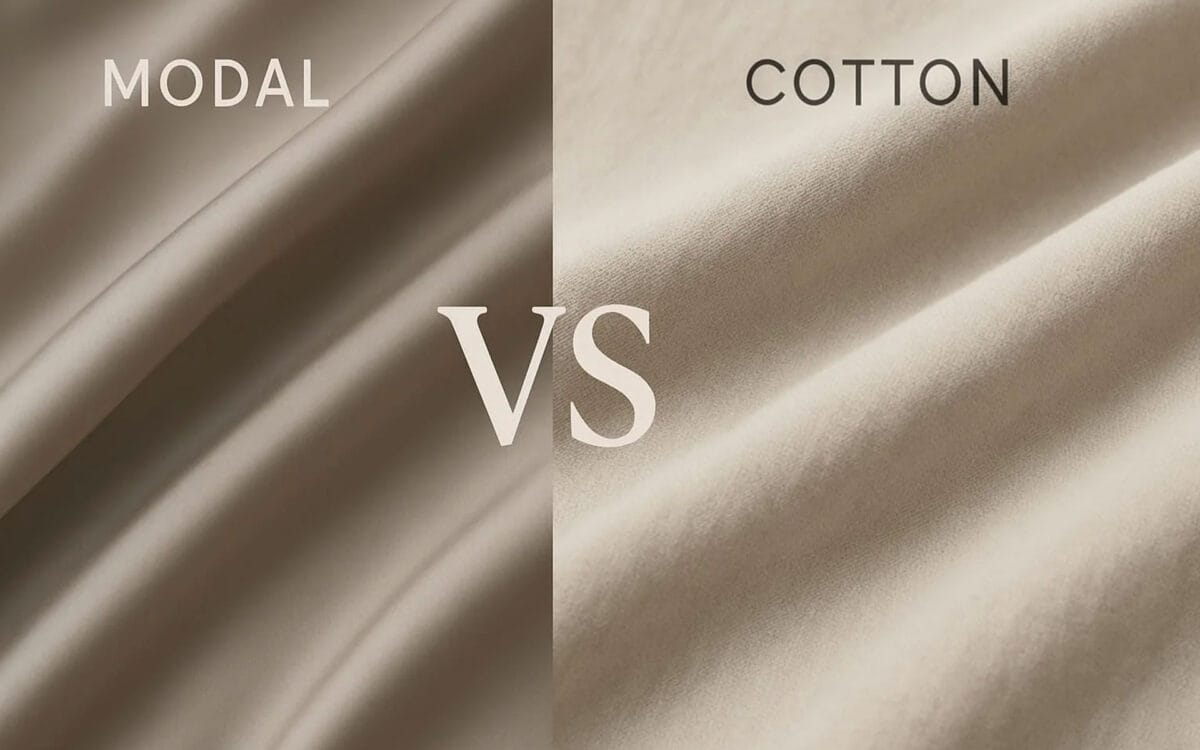
Modal vs. Cotton: Which Fabric is Actually Better for Your Lifestyle?
Struggling to choose between Modal and Cotton? While both are beloved for their comfort, they perform differently in terms of durability, breathability, and skin sensitivity. This deep dive compares the silky drape of Modal against the classic structure of Cotton to help you decide which fabric truly fits your lifestyle and wardrobe needs.