If you're shopping for summer clothes or lightweight fabrics, you’ve probably come across viscose and wondered:
Is viscose fabric actually breathable, or does it trap heat like synthetic materials?
The short answer:
Yes, viscose is breathable — but it’s not perfect in every situation.
It can feel cool and comfortable in dry conditions, but in hot and humid weather, it may not perform as well as you expect. Understanding when viscose works (and when it doesn’t) is key to choosing the right fabric.
What Makes Viscose Fabric Breathable?
Viscose is made from regenerated wood pulp, which gives it some properties similar to natural fibers like cotton.
Here’s why it’s generally considered breathable:
- Good air circulation – the fiber structure allows airflow
- Moisture absorption – it can absorb sweat instead of trapping it
- Lightweight feel – often used in thin, airy fabrics
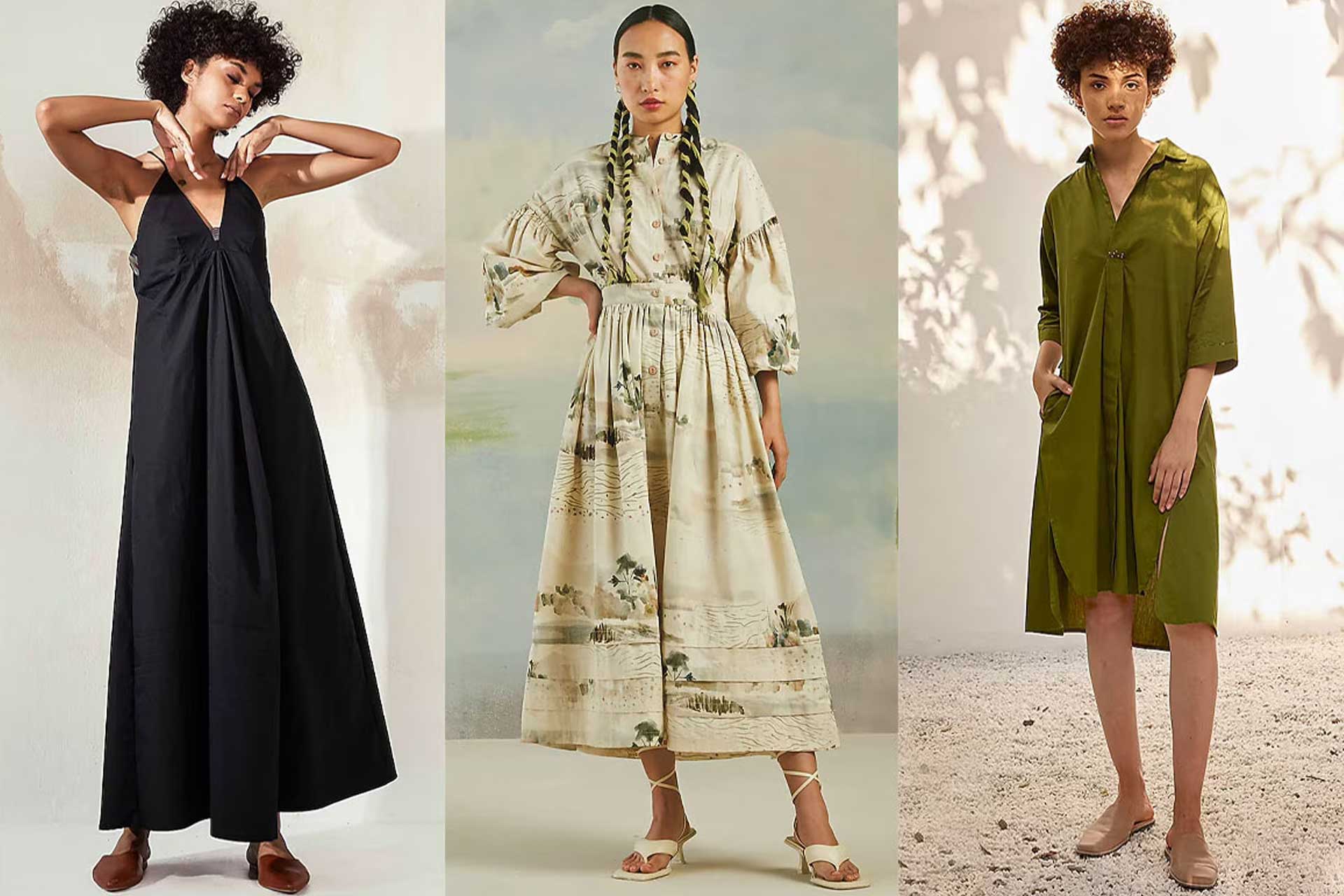
Because of this, viscose is commonly used in:
- Summer dresses
- Blouses
- Lightweight shirts
- Linings
👉 In these cases, it often feels soft, smooth, and relatively cool on the skin.
When Viscose Feels Breathable (Best-Case Scenarios)
Viscose performs well when the fabric and conditions are right.
It feels breathable when:
- The fabric is lightweight and loosely woven
- The clothing is not tight-fitting
- The weather is warm but not overly humid
- You’re doing light daily activities
In these situations, viscose can feel very similar to cotton — soft, airy, and comfortable.
When Viscose Is Not So Breathable
This is where many people get disappointed.
Viscose can feel less breathable when:
- The fabric is dense or heavy
- You’re in hot, humid climates
- You sweat heavily
- The clothing is tight or layered
Unlike linen or high-quality cotton, viscose doesn’t dry quickly, so it can:
- Stick to your skin
- Feel damp
- Lose that “cool” feeling
👉 This is why some people say viscose feels breathable, while others say it feels sticky — both are true depending on the situation.
Viscose vs Other Fabrics (Quick Comparison)
To really understand viscose, it helps to compare it with other common fabrics:
Viscose vs Cotton
- Both are breathable
- Cotton is more durable and better in humidity
- Viscose feels softer and more silky
👉 Winner for hot weather: Cotton
Viscose vs Polyester
- Viscose is more breathable and absorbs moisture
- Polyester tends to trap heat and sweat
👉 Winner: Viscose
Viscose vs Linen
- Linen is extremely breathable and dries fast
- Viscose is softer but holds moisture longer
👉 Winner for airflow: Linen
Is Viscose Good for Hot Weather?
Yes — but only to a point.
Viscose is a good option for:
- Mild summer temperatures
- Casual wear
- Indoor environments
But it’s not the best choice for:
- Extreme heat
- High humidity
- Outdoor activities or heavy sweating
👉 If you're in a tropical or very humid climate, linen or cotton will usually perform better.
Does Viscose Make You Sweat?
Viscose itself doesn’t make you sweat more, but it can:
- Hold moisture longer
- Feel damp against your skin
So instead of causing sweat, it can make you feel sweatier than you actually are.
Best Uses for Breathable Viscose Fabric
Viscose works best in:
✔ Summer dresses
✔ Blouses and tops
✔ Lightweight trousers
✔ Fashion garments with flow
Less ideal for:
✘ Sportswear
✘ Tight-fitting clothing in heat
✘ High-performance outdoor wear
Final Verdict: Is Viscose Breathable?
Yes — viscose is breathable, but it’s not the best in every condition.
It’s a great choice if you want:
- Soft, smooth texture
- Lightweight comfort
- A more affordable alternative to silk
But if your priority is maximum airflow and sweat management, fabrics like cotton or linen will perform better.
Quick Tip Before You Buy
When choosing viscose clothing, always check:
- Fabric weight (lighter = more breathable)
- Fit (looser = better airflow)
- Blend (pure viscose vs mixed fabrics)
👉 These factors matter more than the fiber itself.