
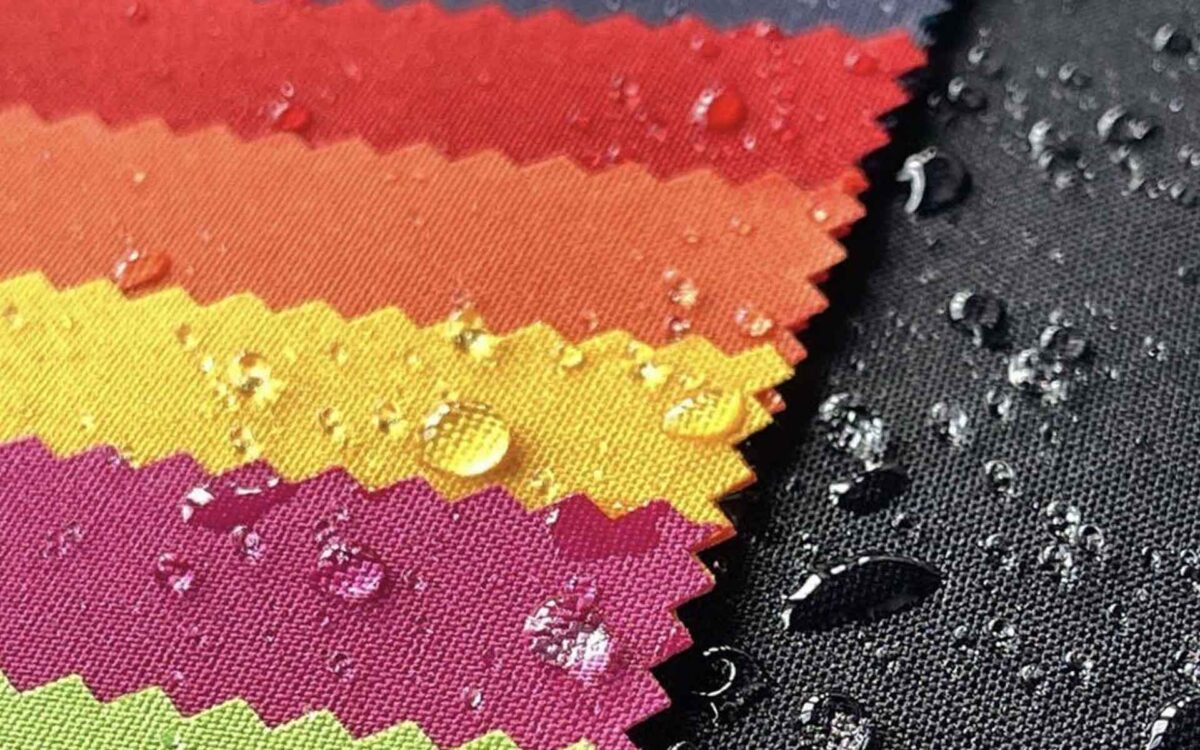
Oxford Waterproof Fabric: The Ultimate Guide to Features, Uses & Benefits
When sourcing oxford waterproof fabric, many buyers make the mistake of looking only at the price per meter. However, in the world of technical textiles, "Oxford" is not a single fabric—it is a versatile weaving category that ranges from lightweight lining to heavy-duty, military-grade ballistic material. Whether you are manufacturing high-end backpacks, outdoor furniture covers, or tactical gear, understanding the interplay between weave density and waterproof coating is essential. This guide ...
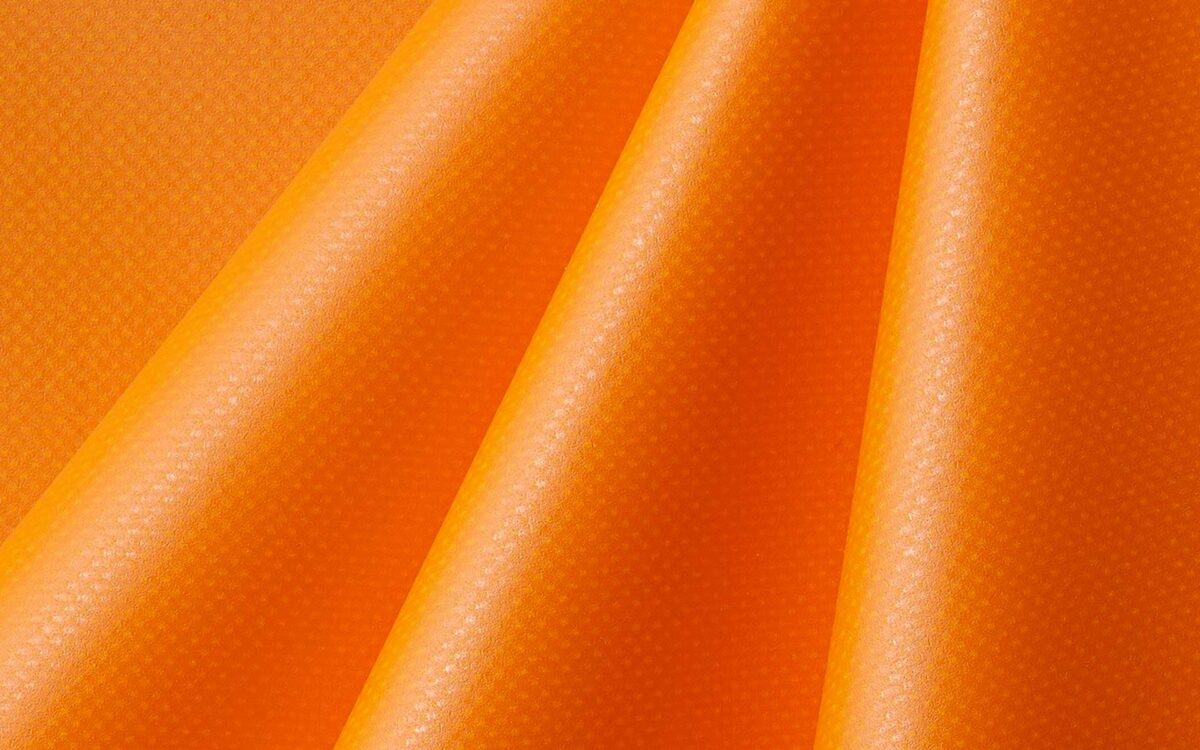
TPU vs PVC Waterproof Fabric: Key Differences for Manufacturers & Brands
The primary difference between TPU and PVC waterproof fabrics lies in their environmental impact and performance durability. TPU (Thermoplastic Polyurethane) is a sustainable, BPA-free material that offers superior flexibility in extreme cold, while PVC (Polyvinyl Chloride) is a cost-effective, heavy-duty alternative best suited for industrial-grade applications where budget is a primary concern. As a professional textile manufacturer, we often see clients struggle to choose between these two c ...
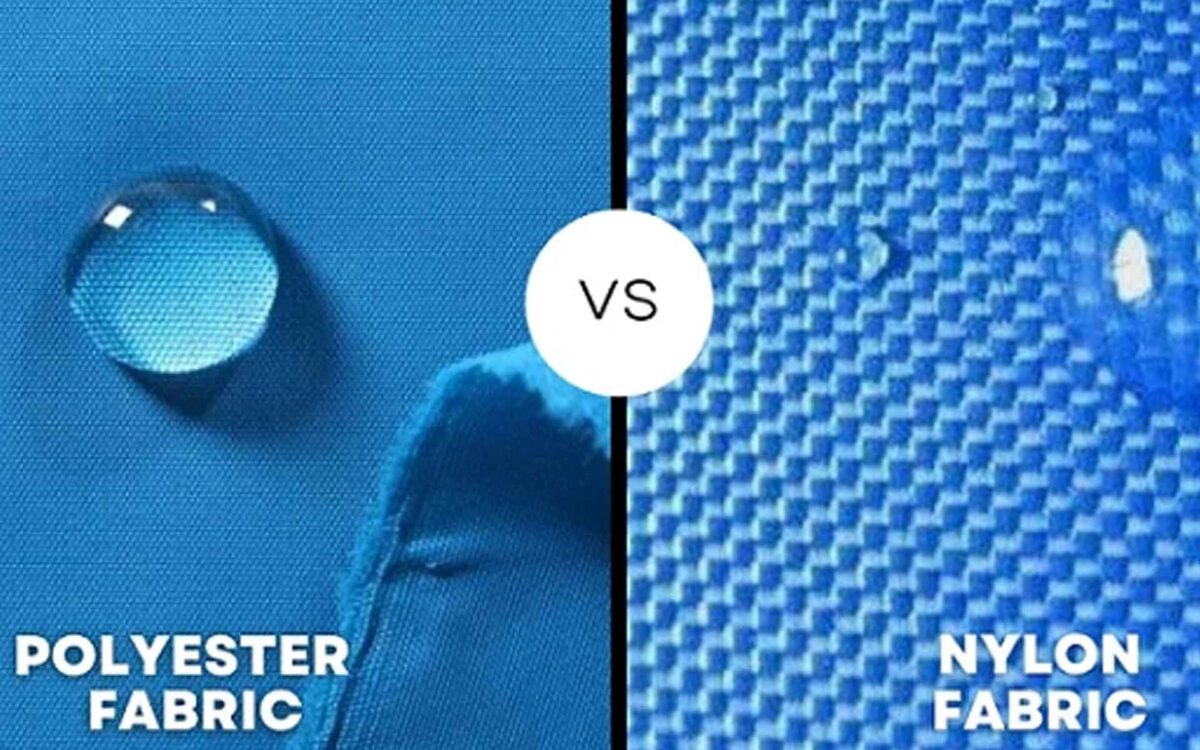
Beyond the Membrane: Nylon vs Polyester in Waterproof Laminates
Many designers focus entirely on the membrane (Gore-Tex, PU, etc.), assuming the face fabric is purely aesthetic. This is a critical mistake. In 3-layer or 2.5-layer constructions, the choice between Nylon and Polyester determines the garment’s dimensional stability, DWR longevity, and delamination risk. Here is the technical breakdown of how these two synthetics perform in the specialized world of waterproof-breathable textiles.
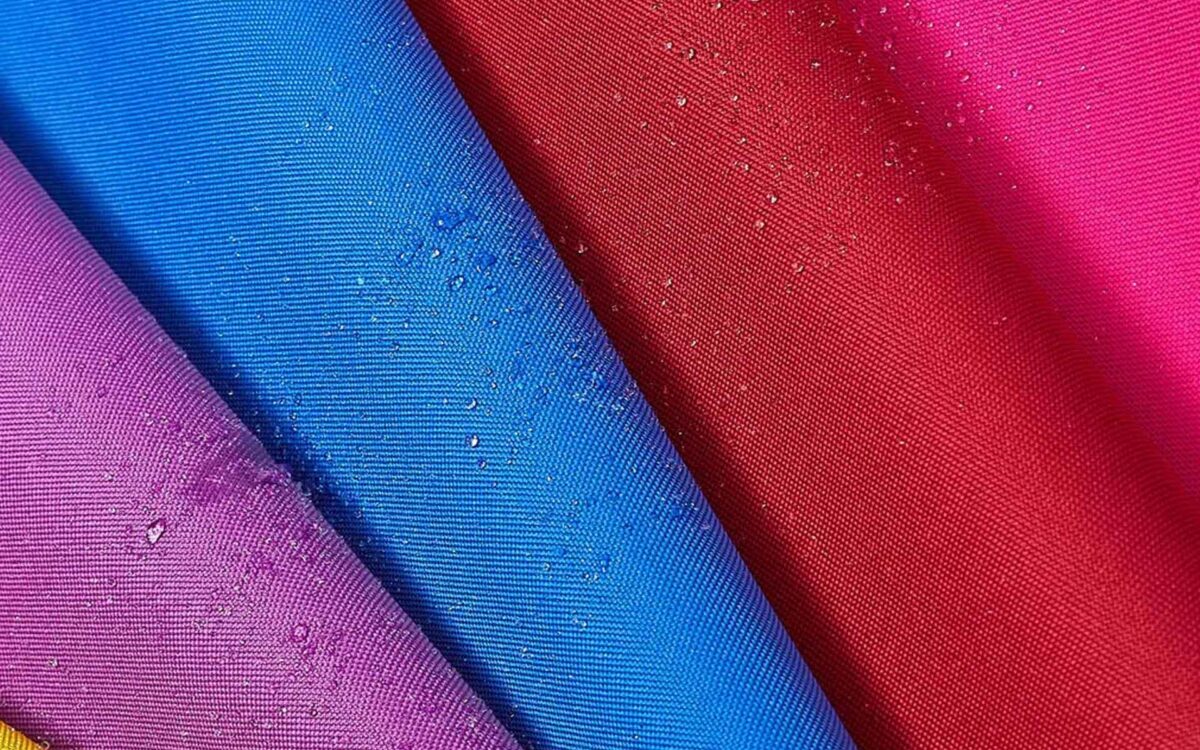
Waterproof Fabric for Clothing: Technical Specs, Supplier Landscape, and What the Numbers Actually Mean
In the world of performance apparel, a fabric’s specification sheet is often treated as its definitive "identity card." However, for brand founders, product developers, and sourcing managers, these numbers can be as much a labyrinth as they are a tool. A rating of "20,000mm/20,000g" is not a universal constant; it is a snapshot taken under specific lab conditions that may or may not translate to the side of a mountain or a rain-soaked urban commute. Developing a successful waterproof garment is ...
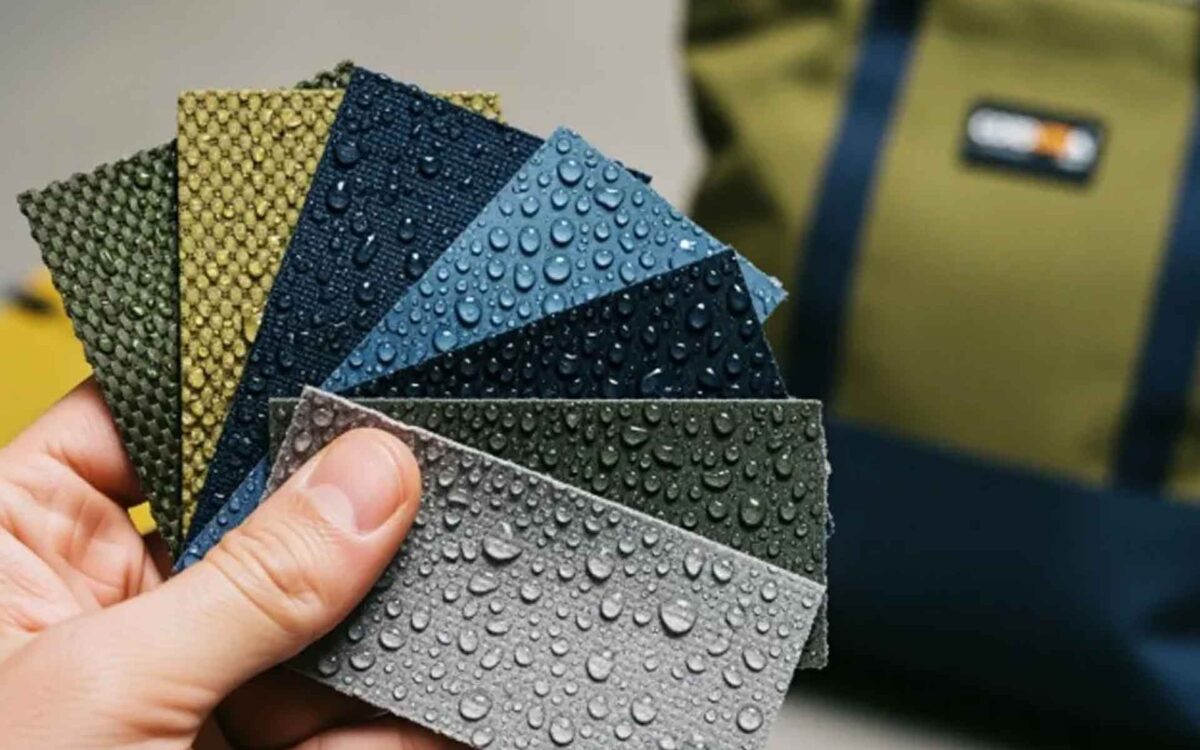
Best Waterproof Fabric for Bags and Backpacks
The best waterproof fabric for bags depends on the type of bag, how it is used, and the level of durability required. Different applications—such as backpacks, travel bags, or heavy-duty gear—require different materials. 👉 In simple terms: Choose lightweight fabrics for portability and heavy-duty materials for durability and protection.

Waterproof Upholstery Fabric: Durable & Easy to Clean Options
Waterproof upholstery fabric is designed to protect furniture from spills, moisture, and stains. It either blocks water completely or uses coatings and treatments to prevent liquid from soaking into the fabric. 👉 In simple terms: It keeps your furniture dry, clean, and easier to maintain.

Best Waterproof Fabric for Outdoor Use (Complete Guide)
The best waterproof fabric for outdoor use depends on the specific application, such as camping, tents, or protective covers. Different outdoor environments require different levels of waterproofing, durability, and weight. 👉 In simple terms: There is no single “best” fabric — the right choice depends on how and where it will be used.
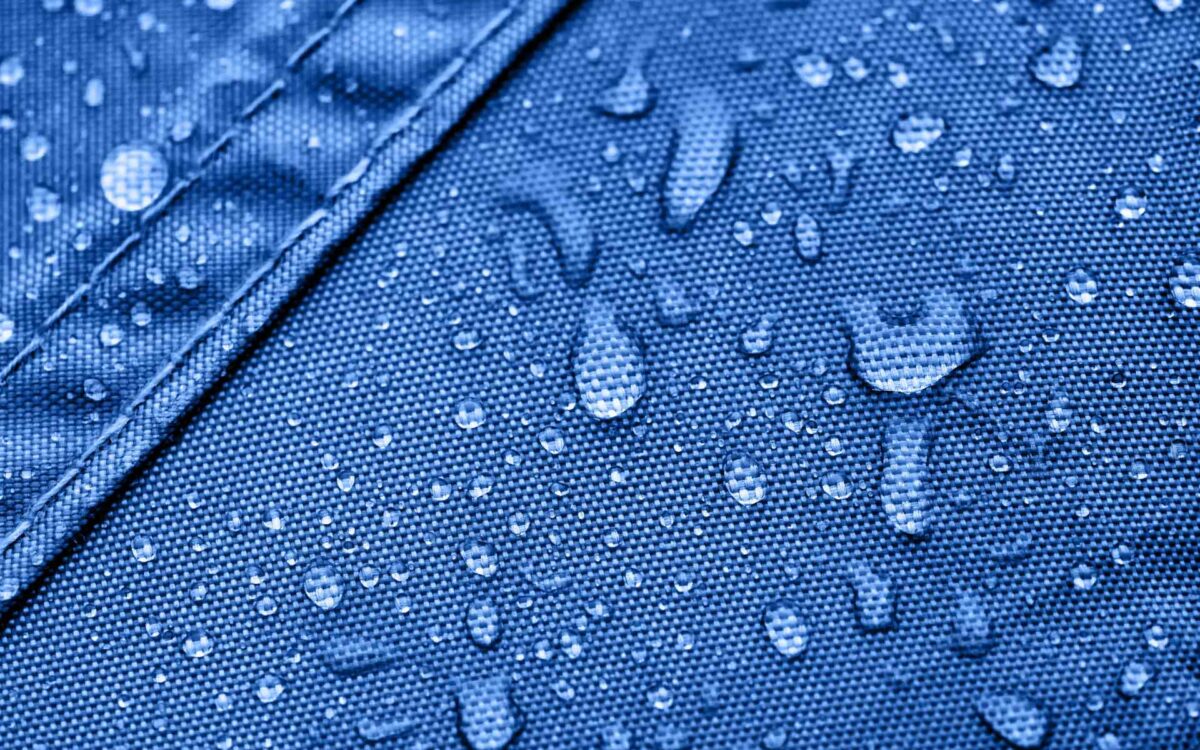
What Is Waterproof Fabric? Types, Materials & Buying Guide
Waterproof fabric is a type of material designed to prevent water from penetrating through its surface, keeping the underlying layer dry even under wet conditions. Unlike regular fabrics, waterproof materials either block water completely or use special coatings and membranes to stop moisture from passing through. 👉 In simple terms: Waterproof fabric keeps water out while protecting what’s underneath.