Kente cloth is more than just a fabric — it is a powerful symbol of African heritage, identity, and craftsmanship.
Originally from Ghana, Kente is a handwoven textile known for its bright colors, geometric patterns, and deep cultural meaning. Today, it is worn during important ceremonies and has become a global symbol of tradition and pride.
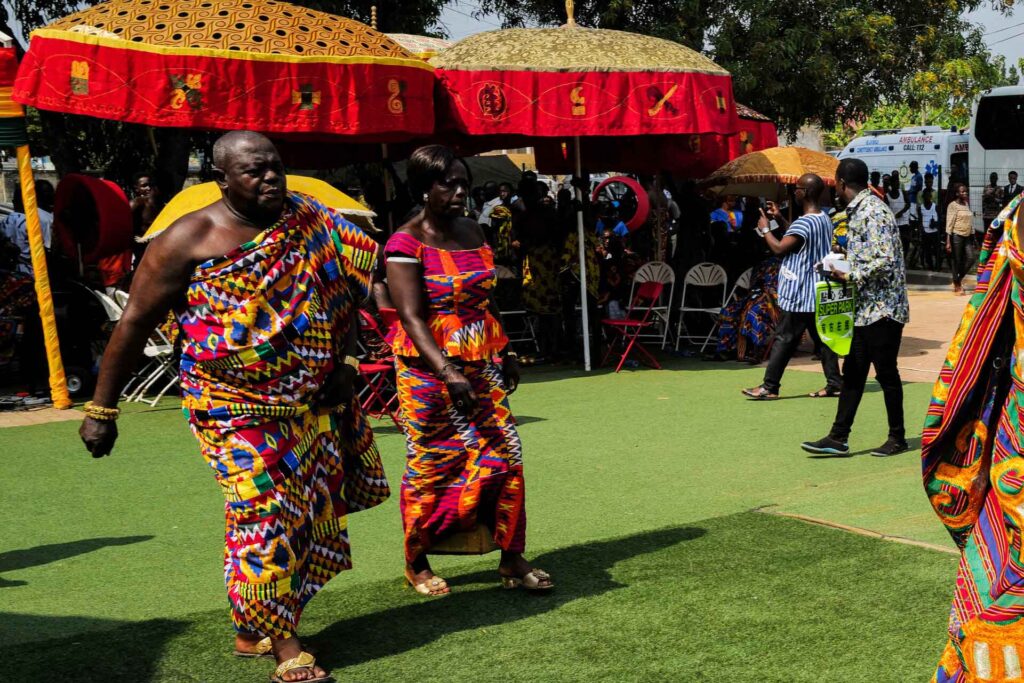
What Is Kente Cloth
Where Does Kente Cloth Come From?
Kente cloth originates from the Ashanti (Asante) and Ewe people of Ghana in West Africa.
Traditionally:
- It was woven by skilled artisans using handlooms
- It was worn by royalty and important leaders
- It was reserved for special occasions
👉 In the past, not everyone could wear Kente — it was a status symbol.
What Is Kente Cloth Made Of?
Originally, Kente cloth was made from:
- Silk (imported and highly valued)
- Cotton (more accessible and commonly used today)
Modern Kente may also include:
- Rayon
- Polyester blends
However, authentic Kente is still handwoven, not printed.
How Is Kente Cloth Made?
Kente cloth is created using a strip-weaving technique.
Here’s how it works:
- Narrow strips of fabric are woven on a loom
- Each strip contains specific patterns and colors
- The strips are sewn together to form a larger cloth
👉 This process is time-consuming and requires high skill, which is why authentic Kente is highly valued.
What Do Kente Cloth Colors Mean?
One of the most unique aspects of Kente cloth is that every color has symbolic meaning.
Some common meanings include:
- Gold – wealth, royalty, status
- Black – maturity, spiritual strength
- Blue – peace, harmony
- Red – sacrifice, struggle
- Green – growth, renewal
- White – purity, spirituality
👉 These meanings can vary slightly by region, but symbolism is always important.
What Do the Patterns Represent?
Kente patterns are not random — they often represent:
- Historical events
- Proverbs
- Moral values
- Leadership and wisdom
Each pattern can even have a name and story behind it.
👉 This is what makes Kente different from ordinary decorative fabrics.
How Is Kente Cloth Used Today?
While Kente cloth was once reserved for royalty, today it is used in many ways:
Traditional Uses
- Ceremonial clothing
- Weddings
- Festivals
- Religious events
Modern Uses
- Graduation stoles
- Fashion garments
- Home décor
- Cultural celebrations
👉 It has become a global symbol of African identity and pride.
Is Kente Cloth Still Handmade?
Yes — authentic Kente cloth is still handmade in Ghana.
However, there are also:
- Printed “Kente-style” fabrics (cheaper, mass-produced)
- Machine-made versions
👉 If authenticity matters, always look for:
- Handwoven texture
- Visible strip construction
- Origin from Ghana
Why Is Kente Cloth Important?
Kente cloth is important because it represents:
- Cultural heritage
- Identity and tradition
- Artistic craftsmanship
- Historical storytelling
👉 It’s not just fabric — it’s a form of communication and expression.
Final Thoughts
So, what is Kente cloth?
It is a traditional Ghanaian textile that combines art, history, and meaning into a single fabric. From its vibrant colors to its symbolic patterns, every piece of Kente tells a story.
Whether worn for celebration or used in modern design, Kente cloth remains one of the most recognizable and meaningful textiles in the world.