
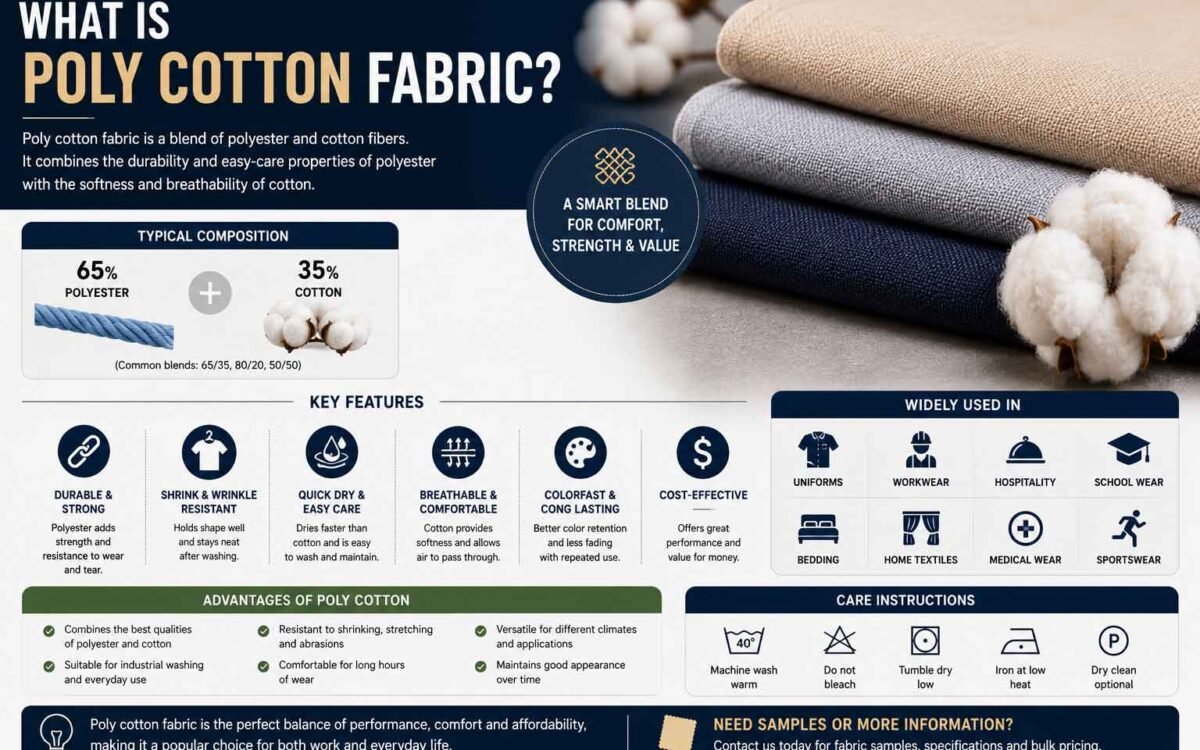
What Is Poly Cotton Fabric? A Complete Guide to Polyester-Cotton Blends
What is poly cotton fabric? A complete guide to polyester-cotton blends — TC 65/35 vs. CVC 60/40 explained, weave types, weights, care, and how to choose the right blend for uniforms and workwear.
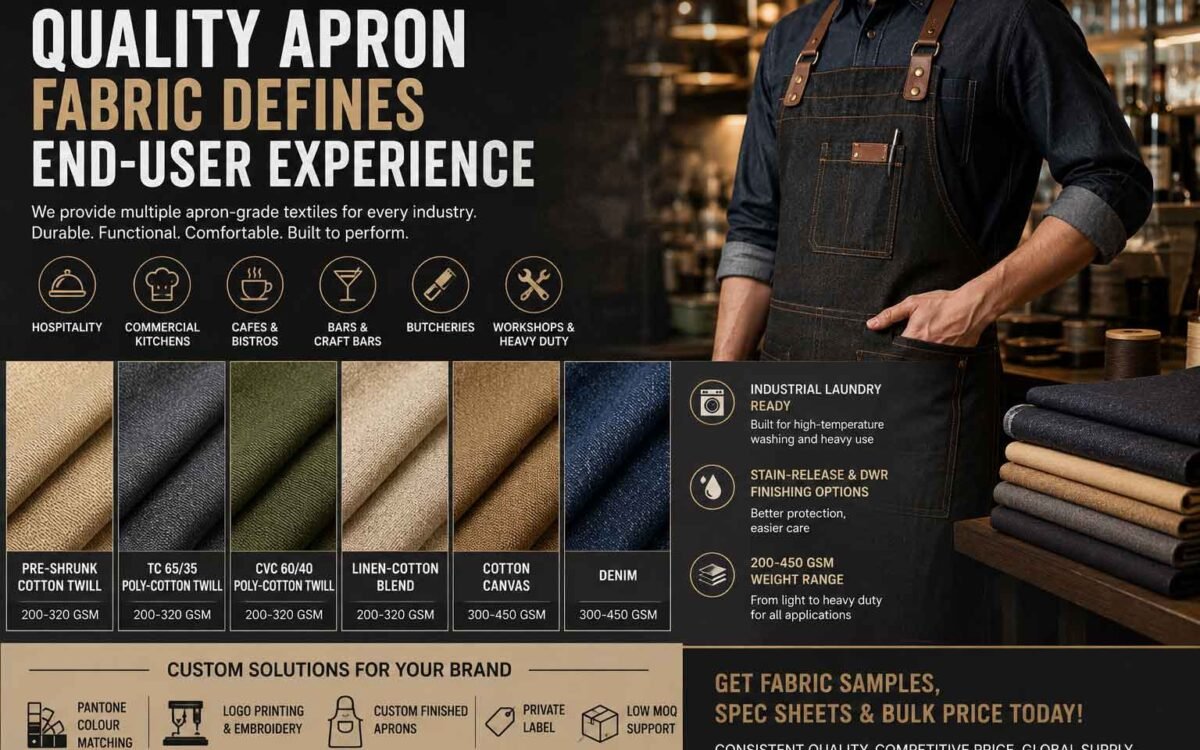
Apron Fabric Types: The Complete Guide to Choosing the Right Material
Quality apron fabric defines end‑user experience. We provide multiple apron‑grade textiles: pre‑shrunk cotton twill, TC 65/35 & CVC 60/40 poly‑cotton twill, linen‑cotton blend, cotton canvas and denim. These materials fit hospitality, commercial kitchens requiring industrial laundry, cafes, craft bars, butcheries and heavy‑duty workshops. Weight ranges 200‑450 GSM with optional stain‑release and DWR finishing. Custom finished aprons, Pantone colour matching, logo printing & embroidery, private l ...
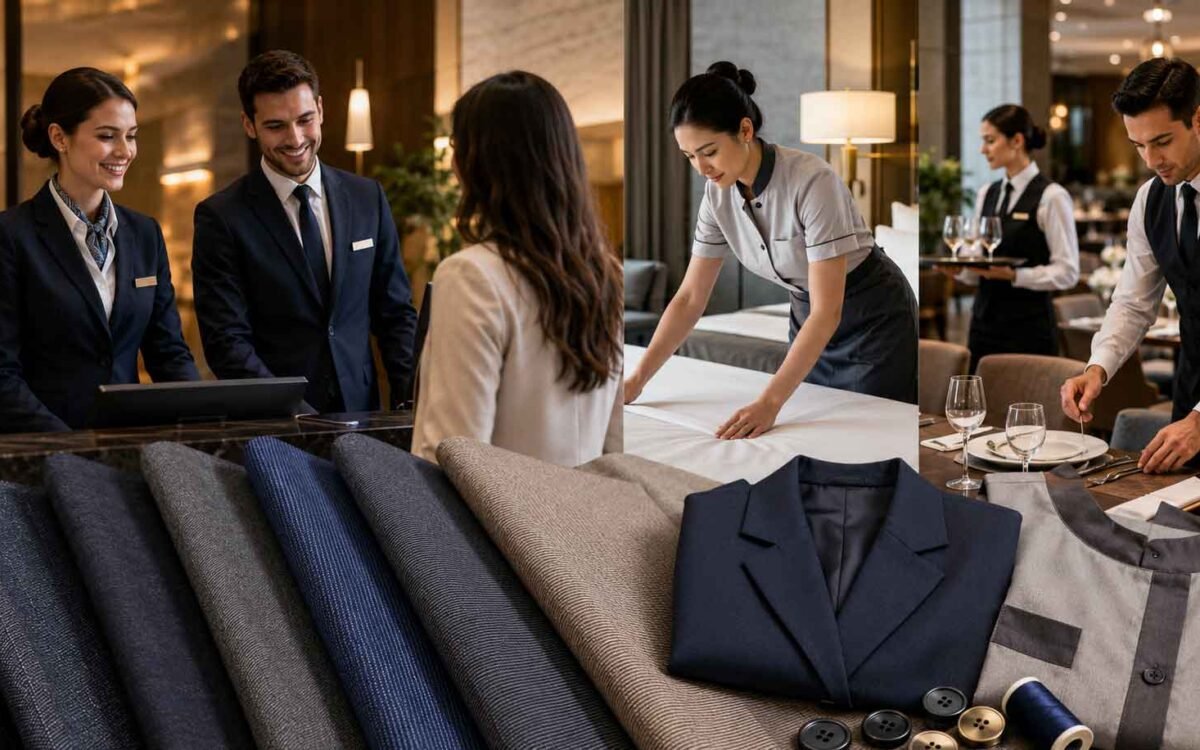
Hotel Uniform Fabric: 3 Blends That Survive Hotel Laundry — and 2 That Don't
Hotel uniforms die in the laundry, not in the showroom. Why cheap blends pill, fade, and split after 20 industrial washes — and which 65/35 blends survive 100+. With wash specs and a 3-year cost table for hotel procurement managers.
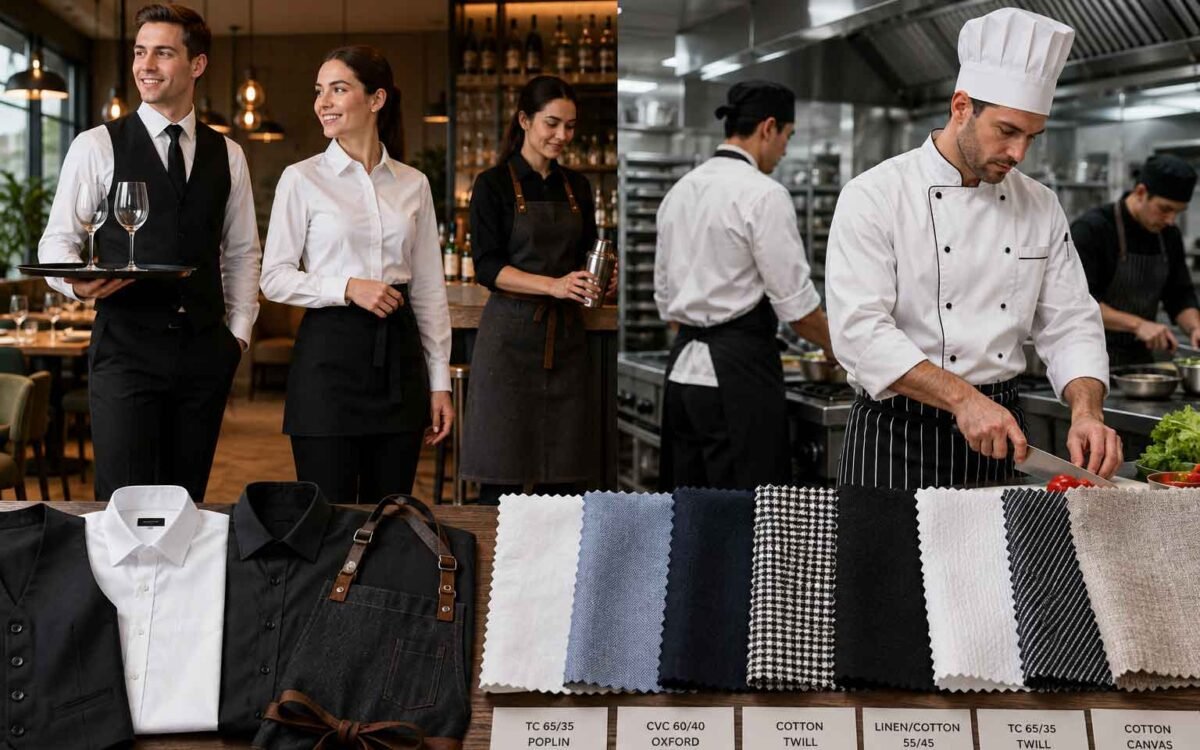
Restaurant Uniform Fabric: The Complete Guide for Owners, Managers & Buyers
Restaurant uniform fabric guide — what servers, bartenders, chefs, and line cooks should wear, fabric comparisons, color psychology, and a buyer's guide for sourcing uniforms for any restaurant type
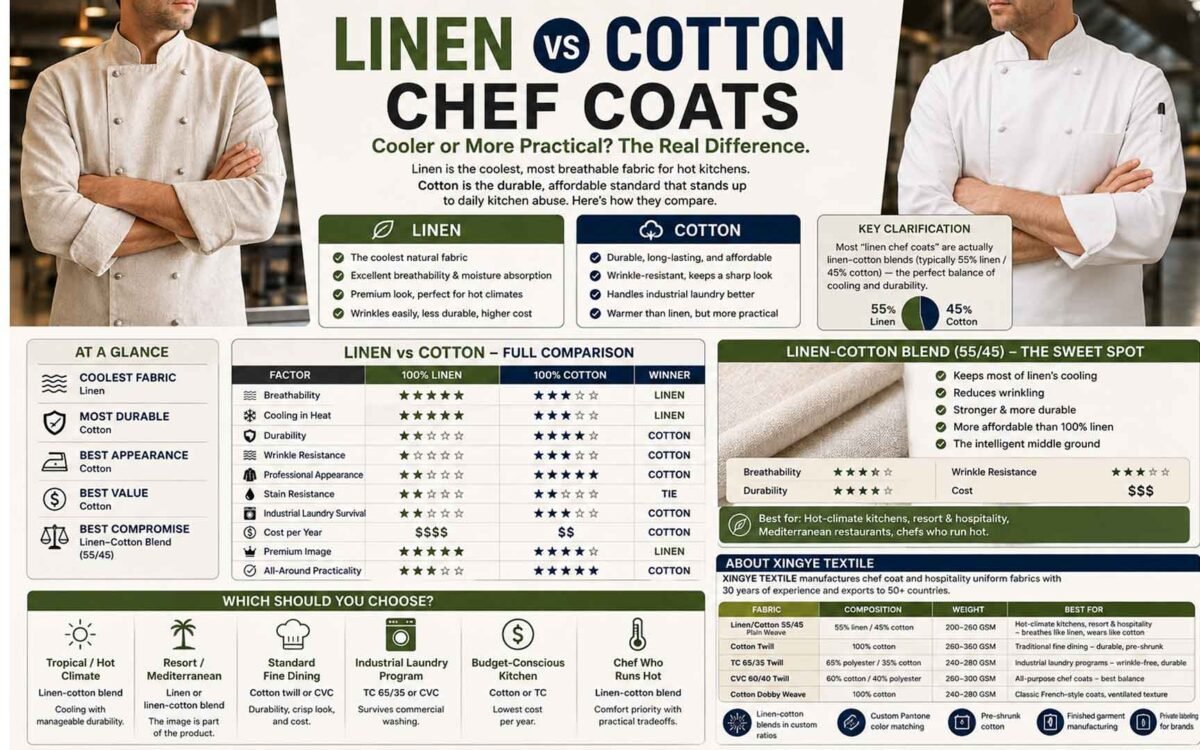
Linen vs Cotton Chef Coats: Which Fabric Is Better for the Kitchen?
Linen vs cotton chef coats — compare breathability, durability, wrinkling, cost, and appearance. Learn why the linen-cotton 55/45 blend offers the best of both fabrics for hot kitchens and hospitality uniforms.
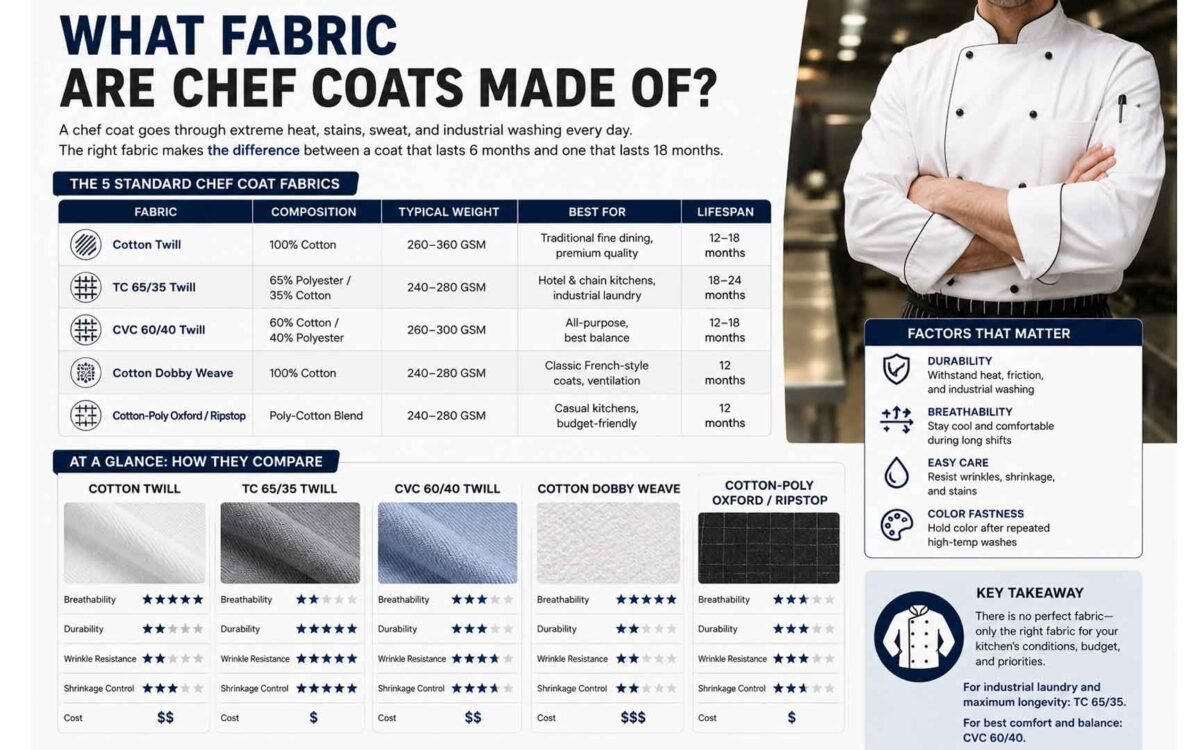
What Fabric Are Chef Coats Made Of? A Complete Guide to Chef Coat Materials
What fabric are chef coats made of? Compare cotton twill, TC 65/35, CVC 60/40, dobby weave, and oxford — with a decision guide for fine dining, hotels, and chains. Includes care tips and sourcing specs from a 30-year textile manufacturer.
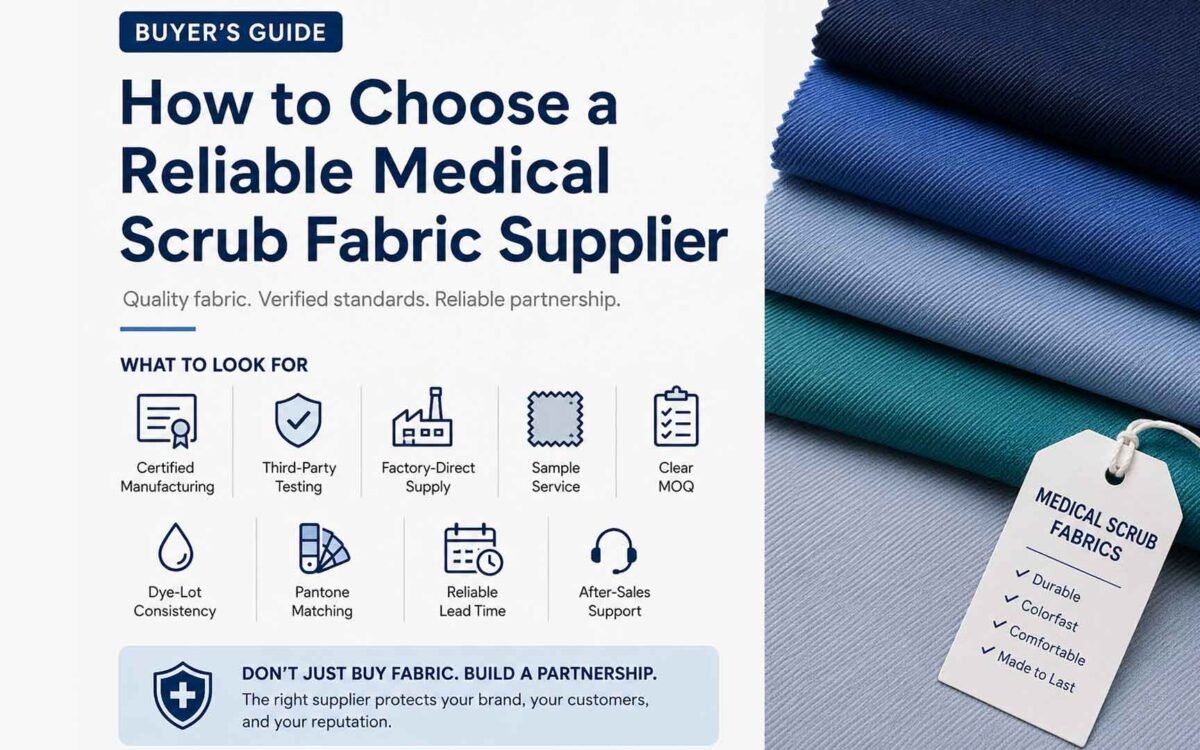
Medical Scrub Fabric Supplier: How to Find a Reliable Manufacturer for Your Healthcare Program
Looking for a reliable medical scrub fabric supplier? Learn how to verify manufacturers, avoid common sourcing mistakes, and what a full-service supplier should provide — with certification and testing requirements explained by a 30-year textile manufacturer.

Antimicrobial Scrub Fabric: How It Works, Standards, and What to Look For
Antimicrobial scrub fabric — how silver ion, quaternary ammonium, and copper technologies work to reduce bacteria on medical uniforms. AATCC 100 standards explained, plus a buyer's checklist for sourcing antimicrobial scrubs for hospitals and healthcare facilities.
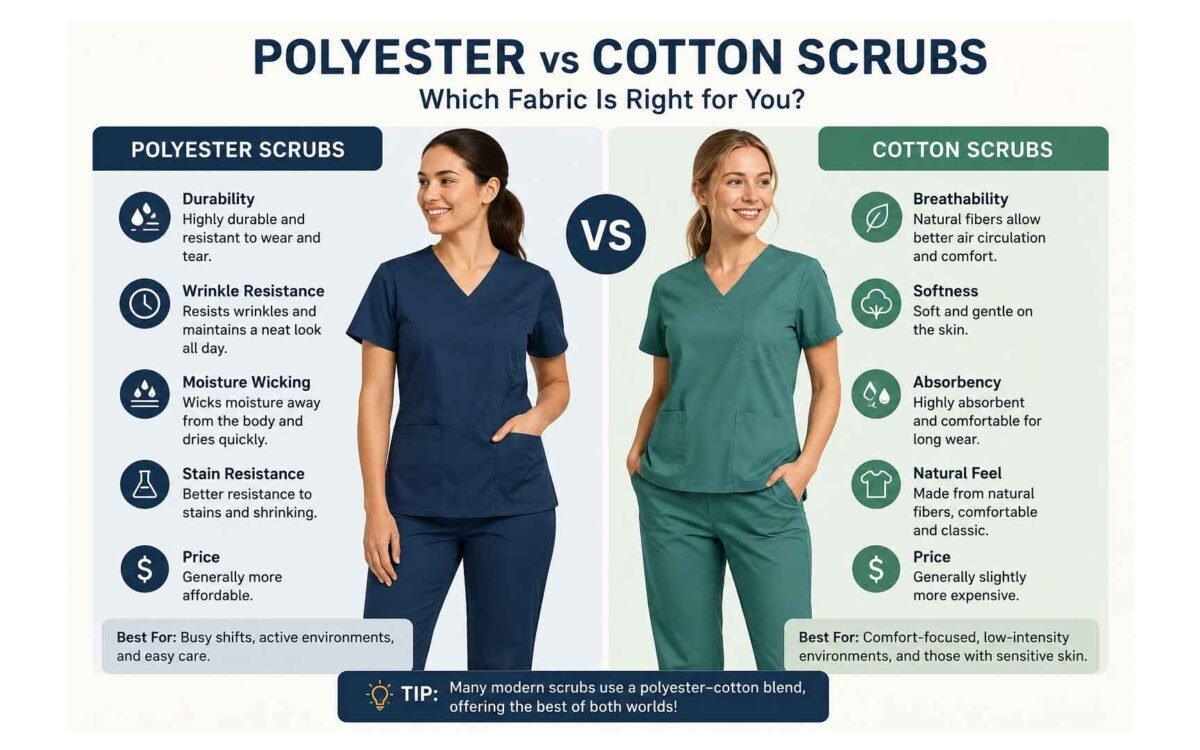
Polyester vs Cotton Scrubs: Which Fabric Is Better for Medical Uniforms?
Polyester vs cotton scrubs — compare durability, comfort, stain resistance, colorfastness, and cost. Learn which fabric works best for hospitals, nurses, and medical uniforms. Includes TC 65/35 vs. CVC vs. 100% cotton decision guide with expert recommendations for healthcare buyers.

Coffee Shop Uniform: The Complete Guide
Coffee shop uniforms require balanced durability, comfort and brand presentation. We offer quality cotton, CVC and TC fabrics for barista aprons, polos and work shirts with custom colour and finishing solutions for cafes, roasteries and global coffee chain projects.
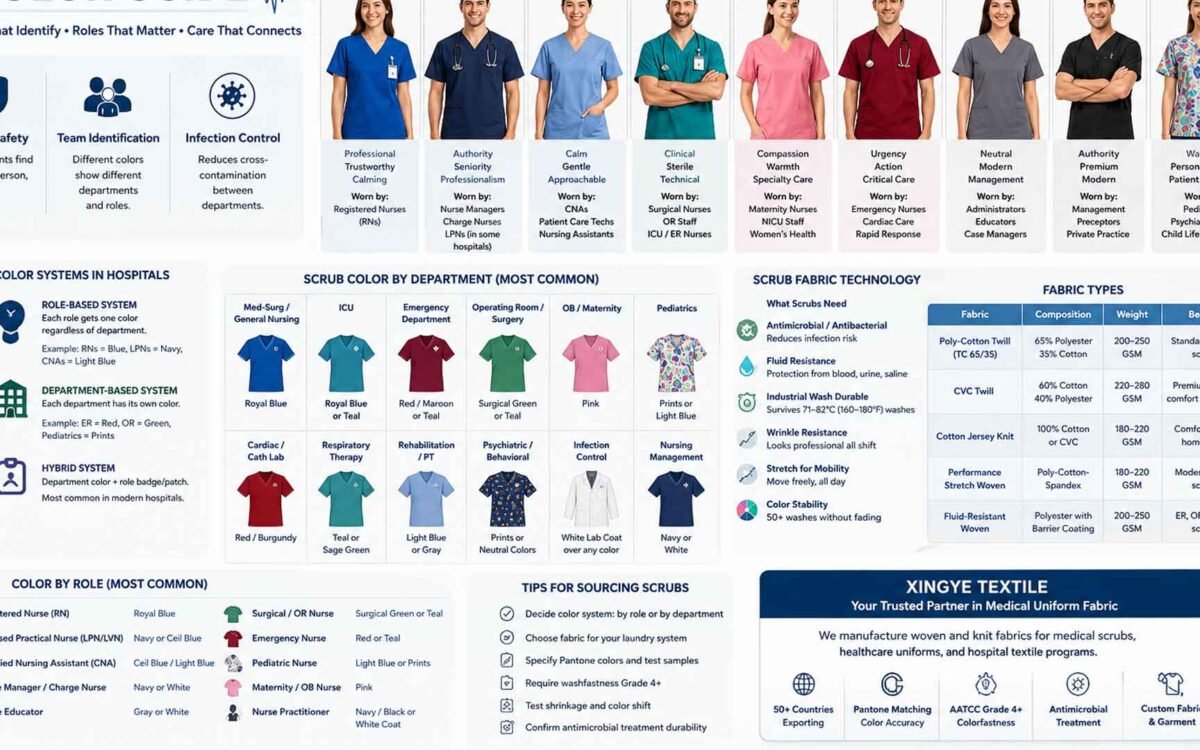
Nurse Uniform Color Meaning — What Scrub Colors Mean in Hospitals
Hospitals adopt color-coded medical scrubs to quickly distinguish departments and staff roles, improving patient safety and team recognition. Royal blue, navy, surgical green, pink, burgundy and grey each carry unique practical and psychological meanings for general wards, operating rooms, maternity, emergency units and administration. Fabric selection for scrubs demands industrial wash durability, color fastness, breathability and optional antimicrobial & fluid-repellent finishes to meet strict ...
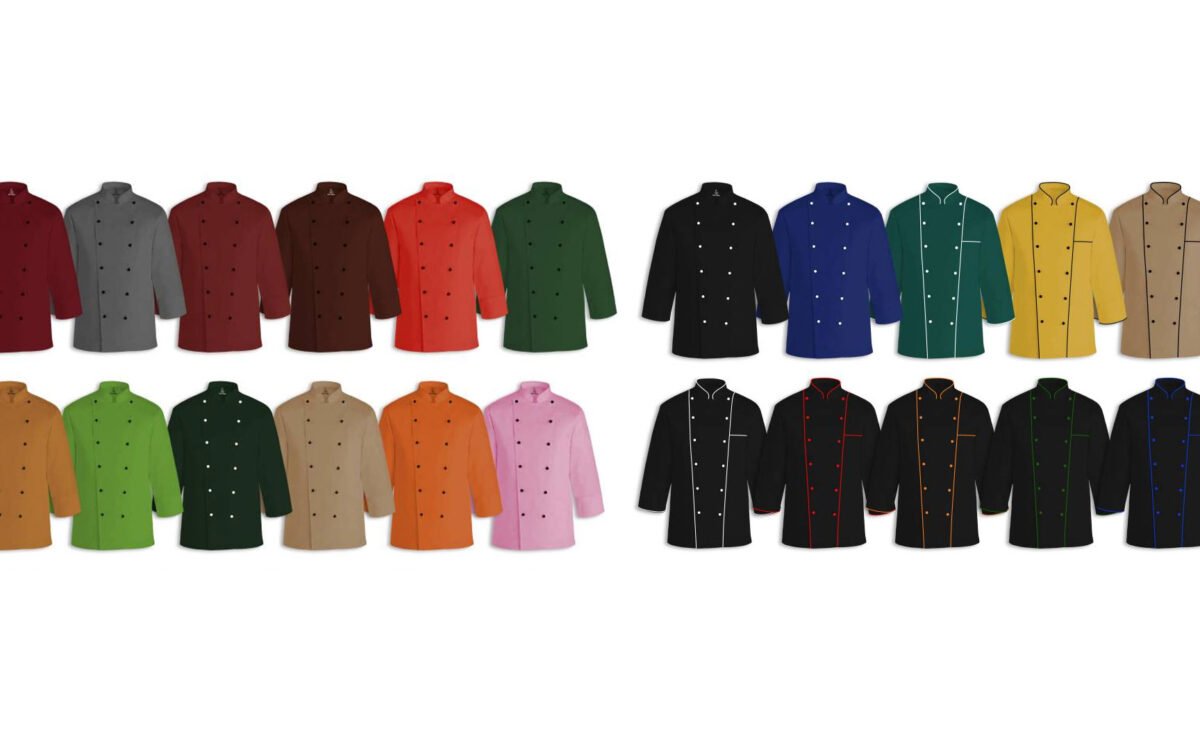
Chef Uniform Color Meaning — What Each Color Says in the Kitchen
Chef uniform colors are strategically chosen for hygiene, comfort, ranking and kitchen aesthetics. White represents cleanliness, high standards and fine dining authority with excellent heat reflection, while black offers superior stain concealment and a modern professional look despite higher heat absorption. Striped, grey and colored coats serve practical daily cooking, bakery and brand differentiation purposes, helping distinguish kitchen staff roles. Double-breasted designs provide extra spla ...
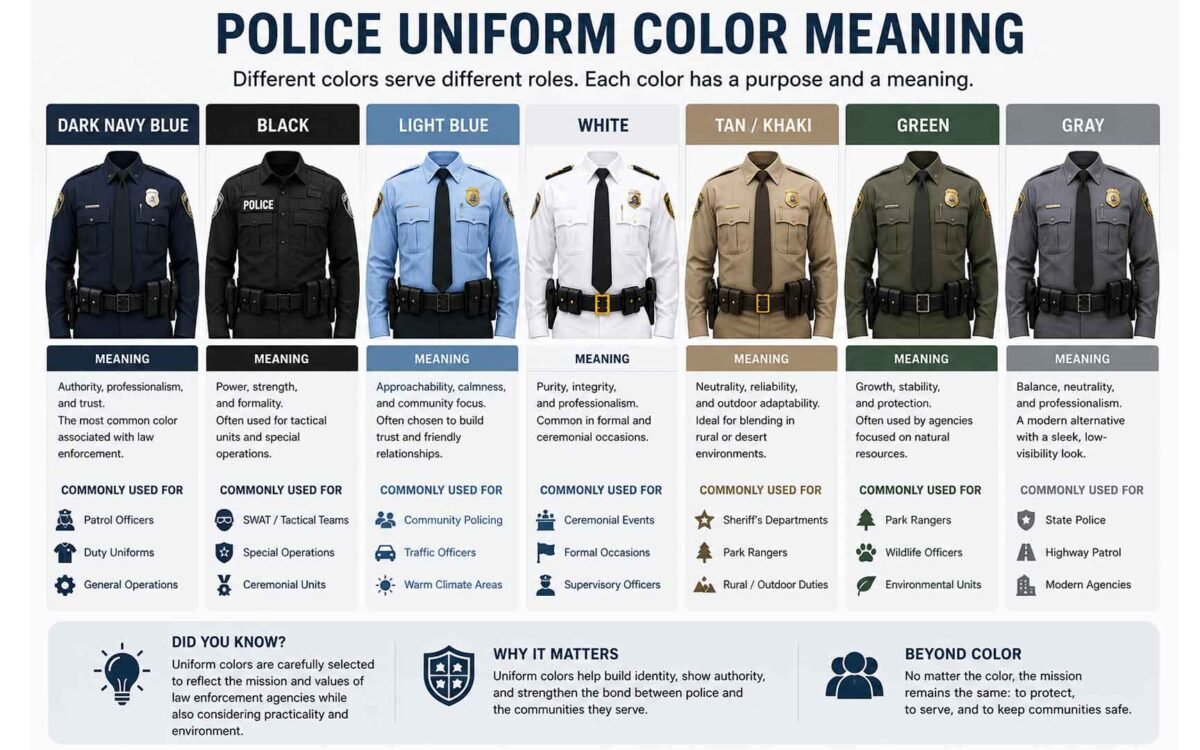
Police Uniform Color Meaning
Different police uniform colors serve unique psychological and operational purposes: navy blue balances authority and approachability for daily patrol; black provides concealment and deterrence for tactical tasks; khaki offers cool, friendly tones for hot-climate and rural duty; light blue, white, green and grey suit traffic, ceremonial, military and modern policing scenarios. We supply full-range, color-stable police uniform fabrics including TC, CVC, TR twill and FR materials with reliable col ...
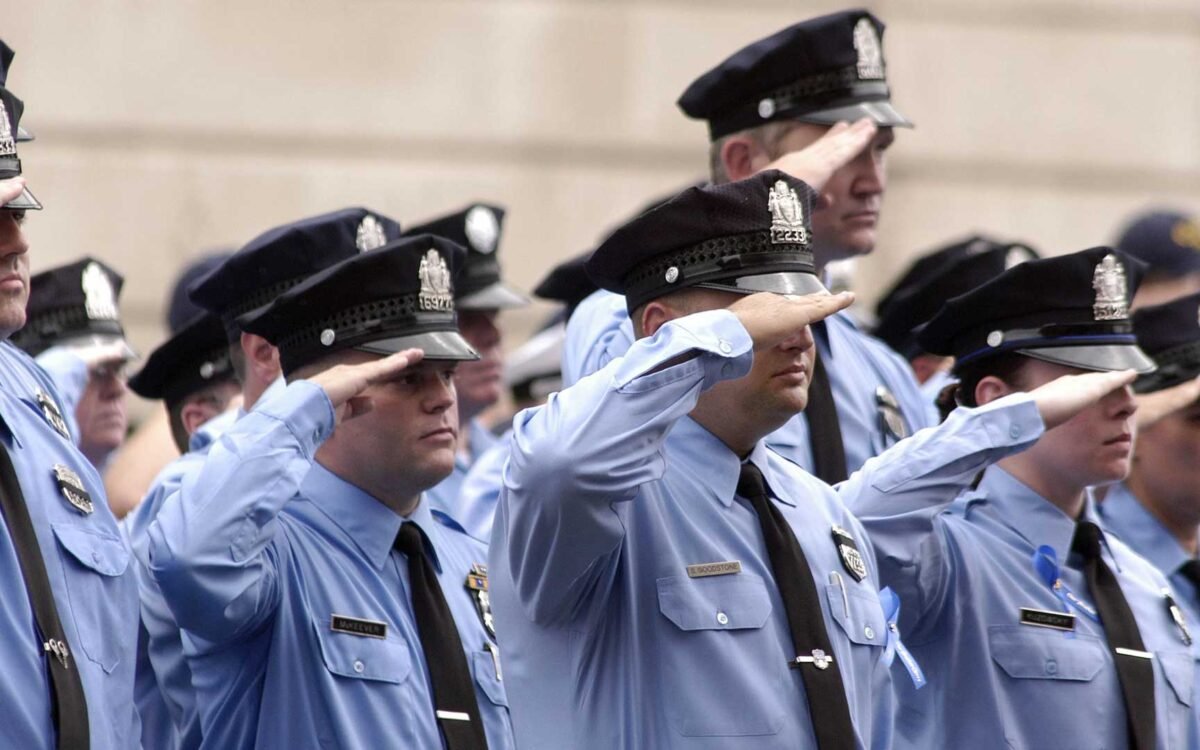
Why Are Police Uniforms Blue?
Explaining why police uniforms are blue from historical, psychological and practical perspectives, this content compares navy blue with alternative uniform colors and introduces our durable, color-stable functional fabrics tailored for law enforcement uniform programs.

Why Do Roofers Wear Hoodies?
Centered on why roofers wear hoodies to combat harsh rooftop UV, hot materials and wind, this guide covers safety flaws of ordinary hoodies and introduces our FR, hi-vis, breathable functional knit fabrics and tailor-made work hoodies for roofing uniform bulk supply.
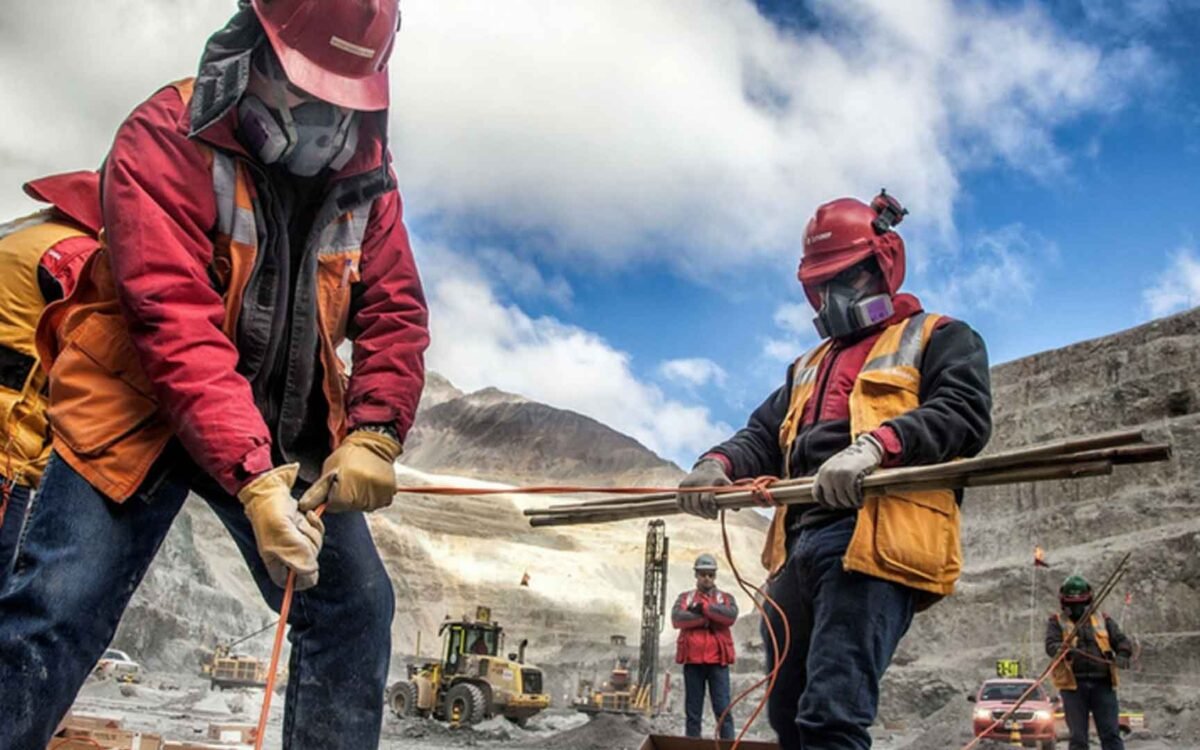
Why Do Construction Workers Wear Hoodies in the Summer?
Focusing on why construction workers wear hoodies in summer for sun protection and dust resistance, this text analyzes safety risks of ordinary hoodies and introduces our FR, hi-vis, quick-dry functional knit fabrics and finished work hoodies for construction uniform supply.

Why Do Construction Workers Wear Jeans?
This content explains why construction workers wear denim jeans for basic site jobs due to its wear resistance, spark safety and low cost, and introduces our advanced FR, ripstop and blended workwear fabrics to solve denim’s limitations for industrial construction uniforms.
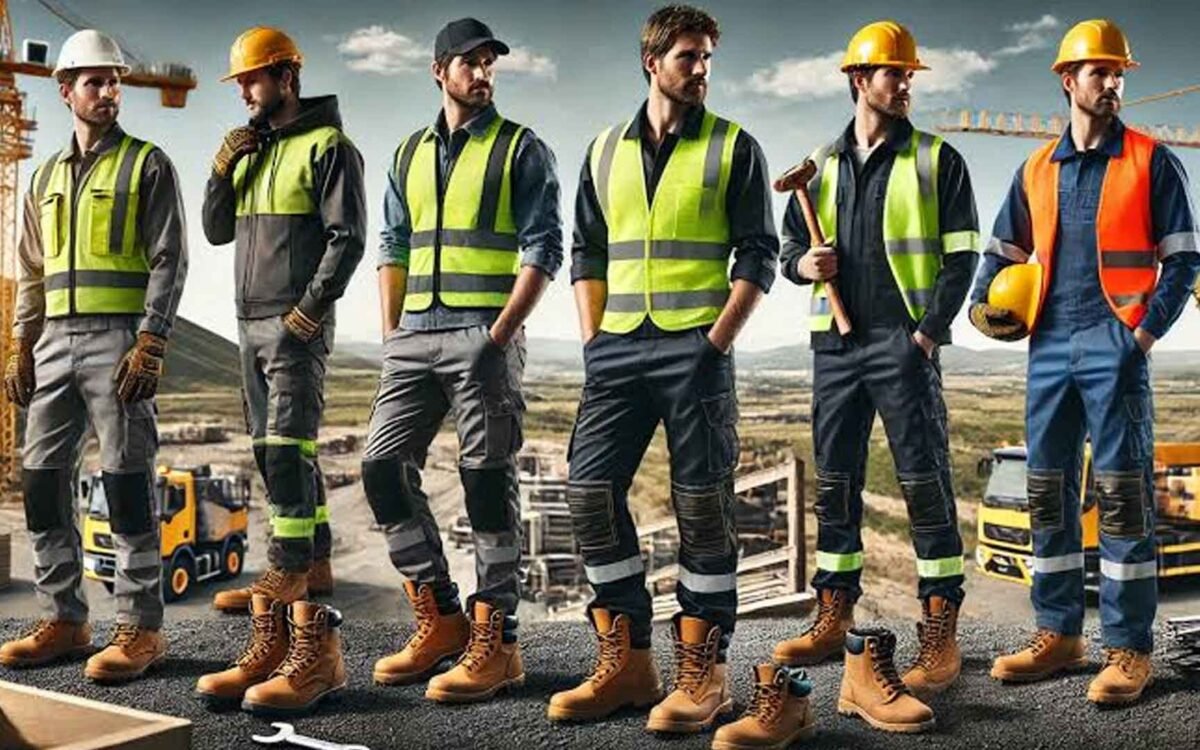
What Do Construction Workers Wear?
What do construction workers wear and why? Hard hats, hi-vis, FR clothing, boots, gloves, and workwear fabrics. A practical guide for site supervisors and safety officers.

What Do Warehouse Workers Wear? Best Clothes for Warehouse Work — A Complete Guide
What do warehouse workers wear and why? A complete guide to warehouse workwear — shirts, pants, hi-vis, boots, and safety requirements. For warehouse managers and safety officers.

What Clothes Do Nuns Wear?
What do nuns wear and why? A complete guide to the religious habit — tunic, veil, scapular, wimple, and how different orders dress. From traditional to modern.

What Do Dentists Wear?
What do dentists wear and why? Scrubs vs lab coats, fabric choices for dental environments, color meanings, and how to choose uniforms for a dental practice. From a uniform manufacturer.
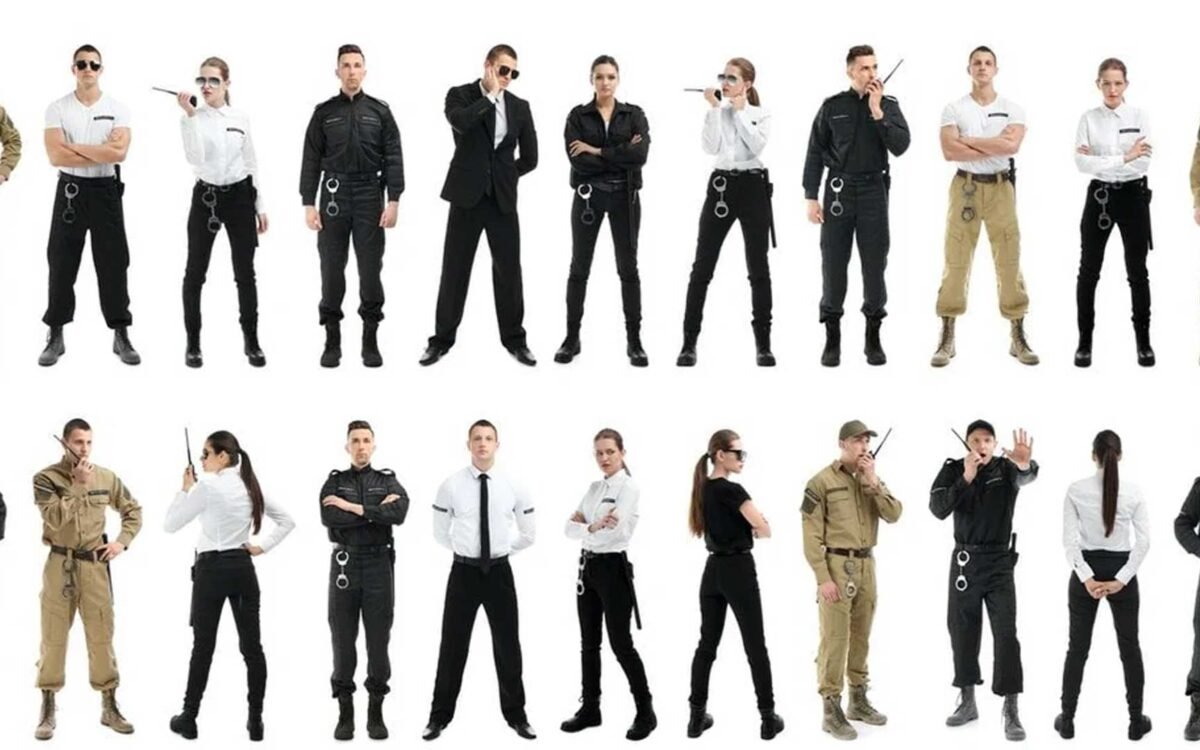
What Do Security Guards Wear?
What do security guards wear and why? Uniform styles by role, fabric choices, duty belt compatibility, and how to choose uniforms that last. A guide for security company owners and procurement managers.
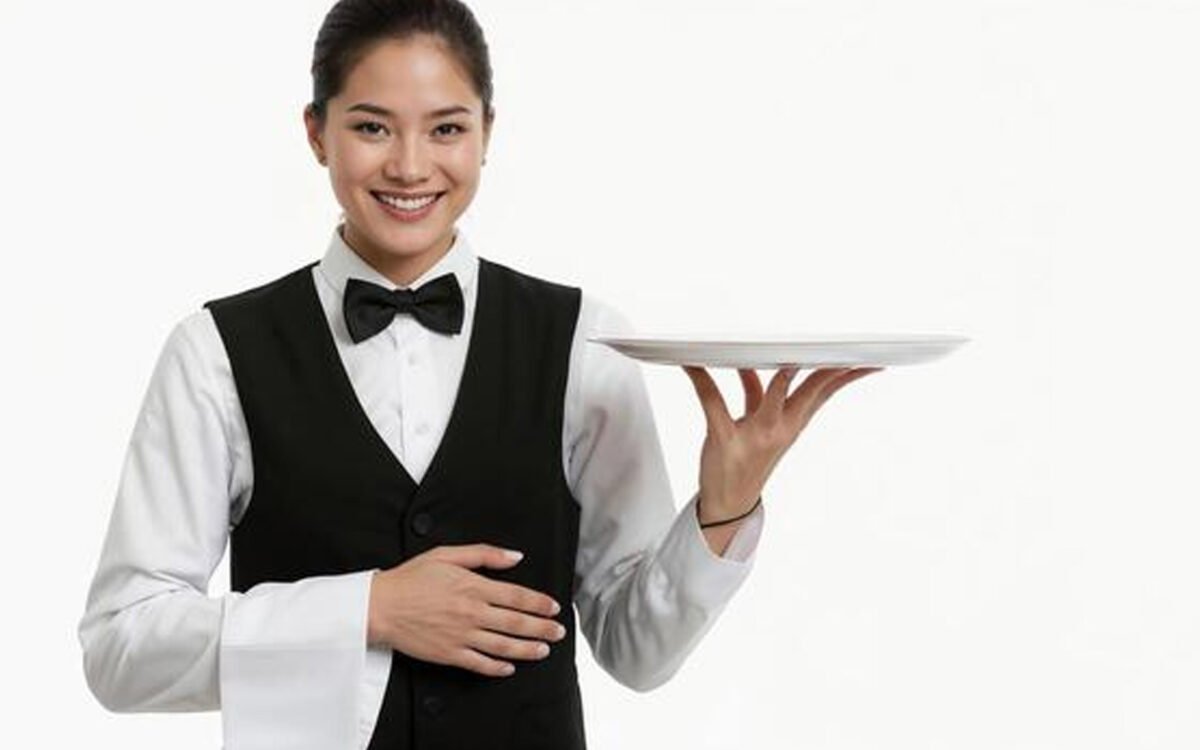
What Do Waitresses Wear? A Complete Guide to Restaurant Server Uniforms
What do waitresses wear and why? Top styles, bottom styles, fabric choices, apron types, and how to choose uniforms that survive restaurant service. A guide for restaurant owners and managers.

What Are Police Uniforms Made Of?
Police uniforms are typically made of TC 65/35 polyester-cotton twill or TR gabardine. Learn what fabric each part of the uniform uses and why. A practical guide for procurement officers.
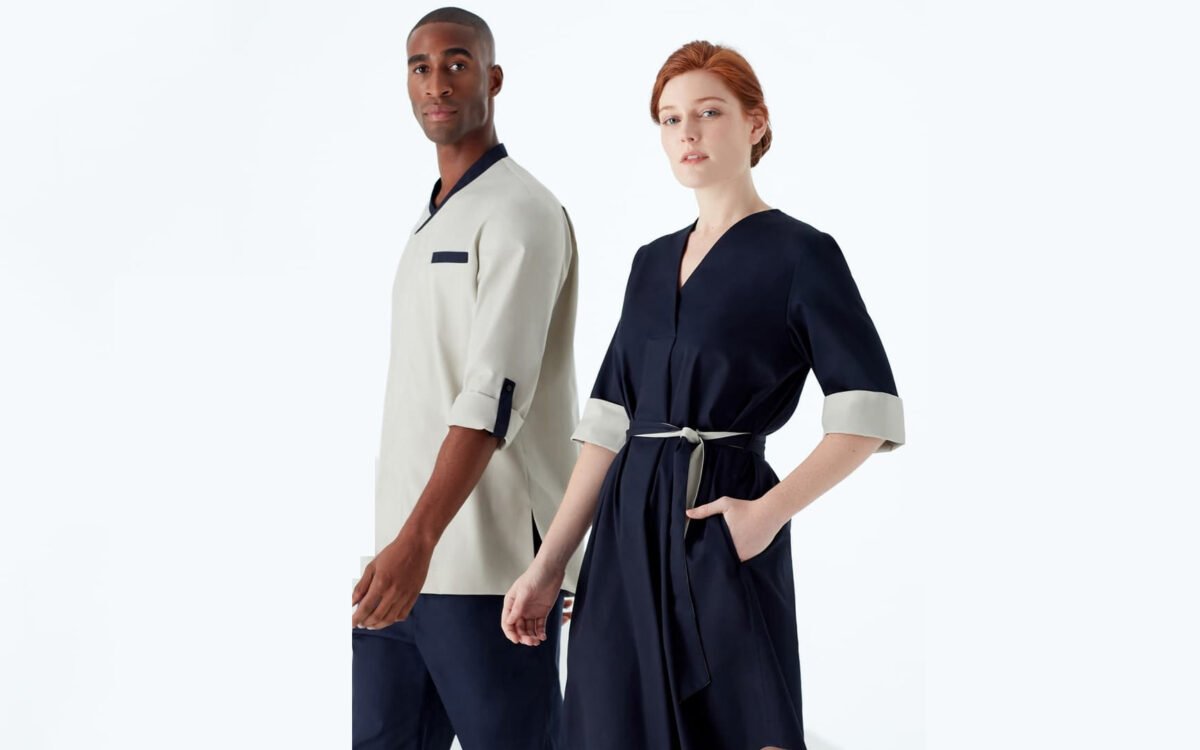
What Do Housekeepers Wear?
What do hotel housekeepers wear and why? Fabric choices, uniform features, color coding, and how to pick uniforms that survive industrial laundry. A guide for hotel managers and buyers.
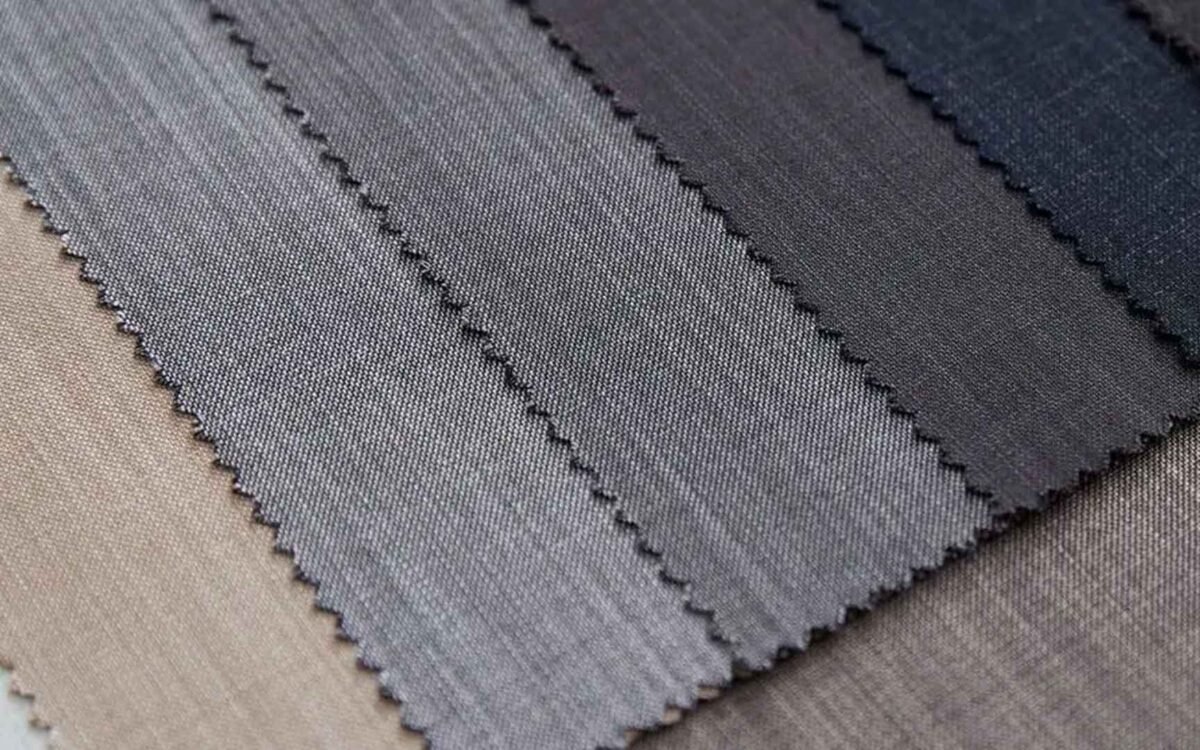
Why TR Fabric Is the Standard for Uniforms and Workwear
80% of uniform programs use TR fabric — for good reason. Wrinkle resistance, 80-100 industrial wash cycles, ≤2% shrinkage, stain resistance, and consistent color. A practical guide for uniform buyers.

Why Baseball Uniforms Aren't Made of Cotton — The Fabric Science Behind Every Jersey
Why don't MLB players wear cotton jerseys? Cotton absorbs 25x its weight in sweat, causes abrasions when sliding, breeds bacteria, and fades in hot wash. Polyester solves every problem — here's the science
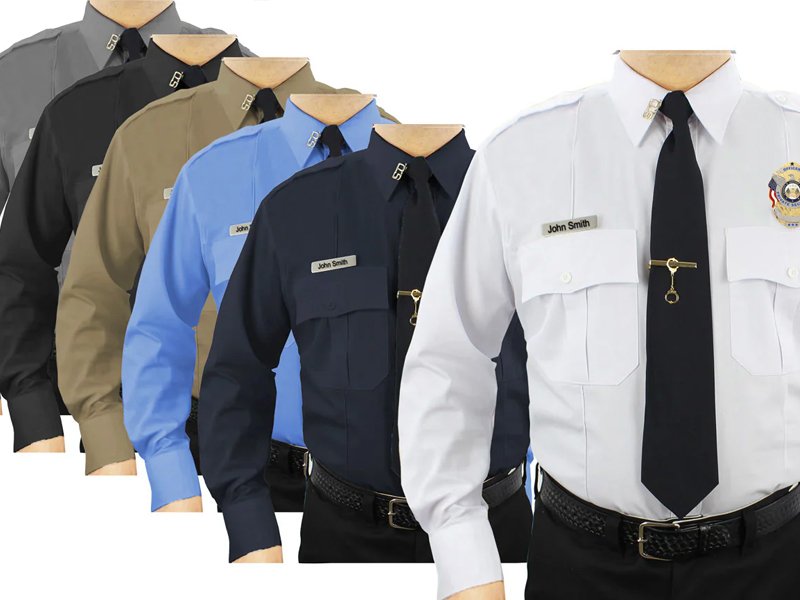
What Makes a "First Class" Uniform Shirt? A Manufacturer's Guide to Fabric, Construction, and Quality Standards
A genuine first class uniform shirt is defined by four measurable things: fabric quality, construction density, component durability, and industrial laundry tolerance. If your current supplier can't tell you the thread count, SPI (stitches per inch), and shrinkage test results for the shirt you're buying, you're not buying first class. You're buying whatever they had in stock. This guide is written from the factory floor — 20 years of making uniform shirts for airlines, hotels, corporate fleets ...
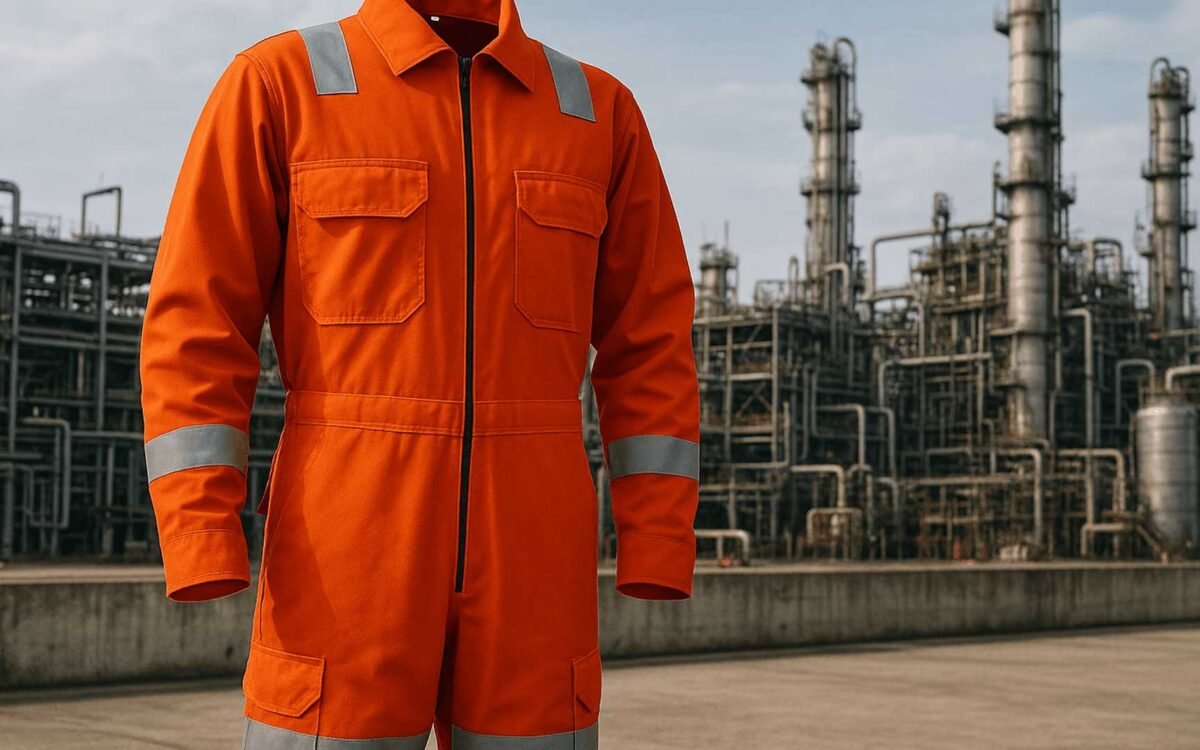
FR Fabric for Oil & Gas Coveralls: Why NFPA 2112 Compliance Is Harder Than You Think
If you're sourcing FR coveralls for oil and gas in North America, you need NFPA 2112. Not EN 11612. Not "passes FR test." NFPA 2112. Most Chinese FR mills test to European standards because the NFPA 2112 protocol is more expensive and harder to pass. The result: you buy fabric that looks FR on paper, your customer demands NFPA 2112 certification, and you're stuck with a container of non-compliant goods. This guide explains what NFPA 2112 requires, why most Chinese FR fabric doesn't pass it, and ...
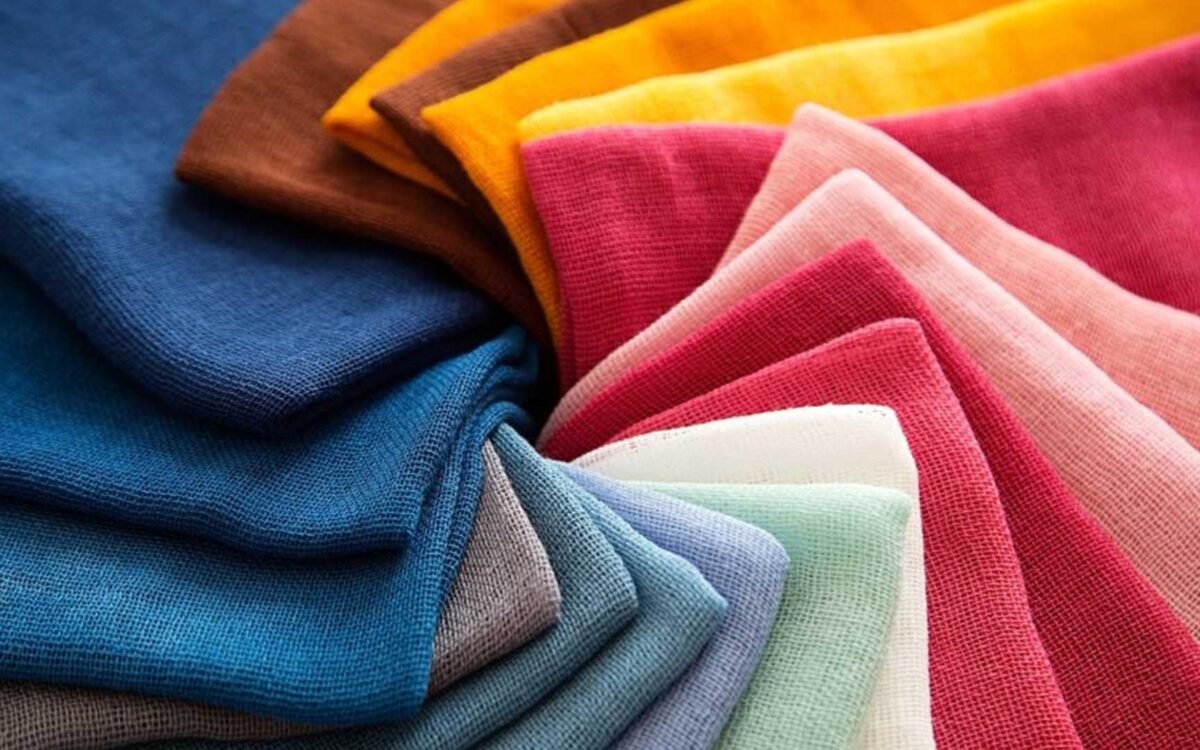
Uniform Fabric That Stays Wrinkle-Free and Breathable for 8-Hour Shifts: A Buyer's Guide
Your front desk staff looks sharp at 8 AM. By 4 PM, the jacket back is creased, the shirt collar is limp, and the trousers have a permanent seat crease. Uniforms that look professional after 8 hours of sitting, standing, and moving need two things at once: wrinkle resistance to hold shape through a full shift, and breathability so staff don't overheat in a fabric that doesn't breathe. Most fabrics deliver one or the other. Here's what does both.