

Heat Resistant Kitchen Uniform Fabric: What Hotel Procurement Needs to Know
Your hotel's kitchen staff is sweating through their uniforms 15 minutes into the shift. The cheap poly-cotton shirts don't breathe, trap heat, and stain permanently after three washes. Worse — a line cook brushes against a hot oven door and the polyester melts onto his arm. The uniform supplier says it's kitchen-grade. It's not. Hotel kitchens run at 35–45°C with radiant heat from ovens, fryers, and grills. The fabric needs to breathe enough to keep a cook comfortable for 8 hours, resist 200°C ...
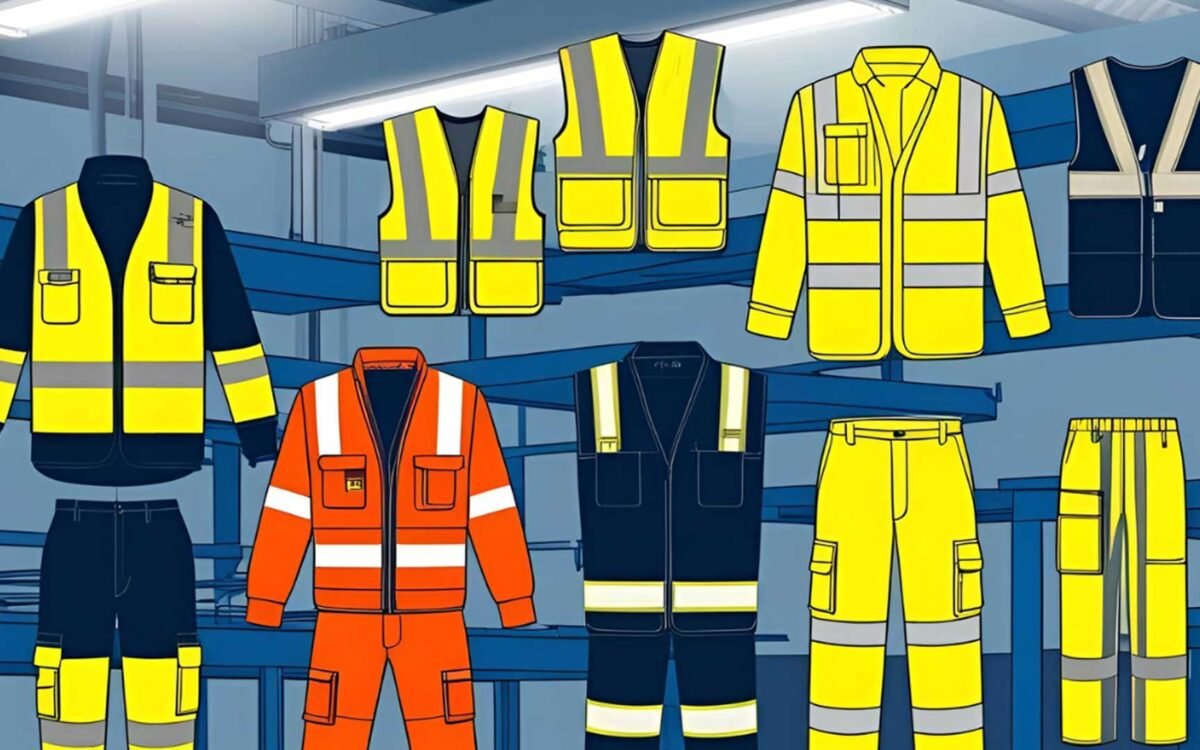
EN ISO 20471 Hi Vis Fabric: What Importers Need to Check Before the Container Ships
You found a hi vis fabric supplier on Alibaba at $3.20/meter. The test report looked legit. Six weeks later your container is sitting in Rotterdam customs — the fabric's retroreflective performance fails by cycle 25. Demurrage is $850/day. Your client's lawyer is calling. When you import hi vis workwear, you don't just need hi vis fabric. You need fabric that meets EN ISO 20471 Class 2 or Class 3 at 50 washes, with a test report from an accredited lab. This guide tells you exactly what to ask fo ...
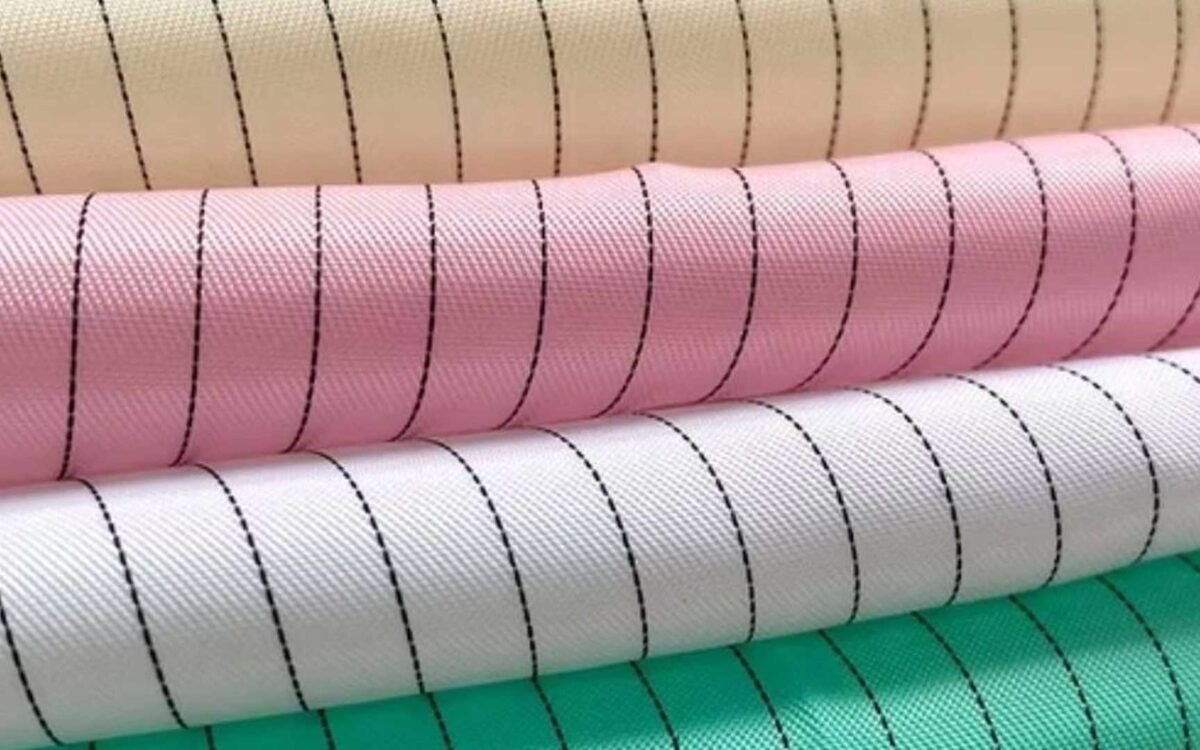
Anti-Static Fabric for Cleanrooms: What Works, What Doesn't, and How to Avoid a Costly Mistake
If you're buying anti-static coveralls for an electronics cleanroom, you've likely been sold fabric with a chemical finish that fails after 15 washes — turning your ESD protection into a $12,000 scrap event waiting to happen. This guide walks you through the three actual options on the market, what the cheap stuff really costs over three years, and one sentence to say on the phone so suppliers know you're not a first-time buyer.
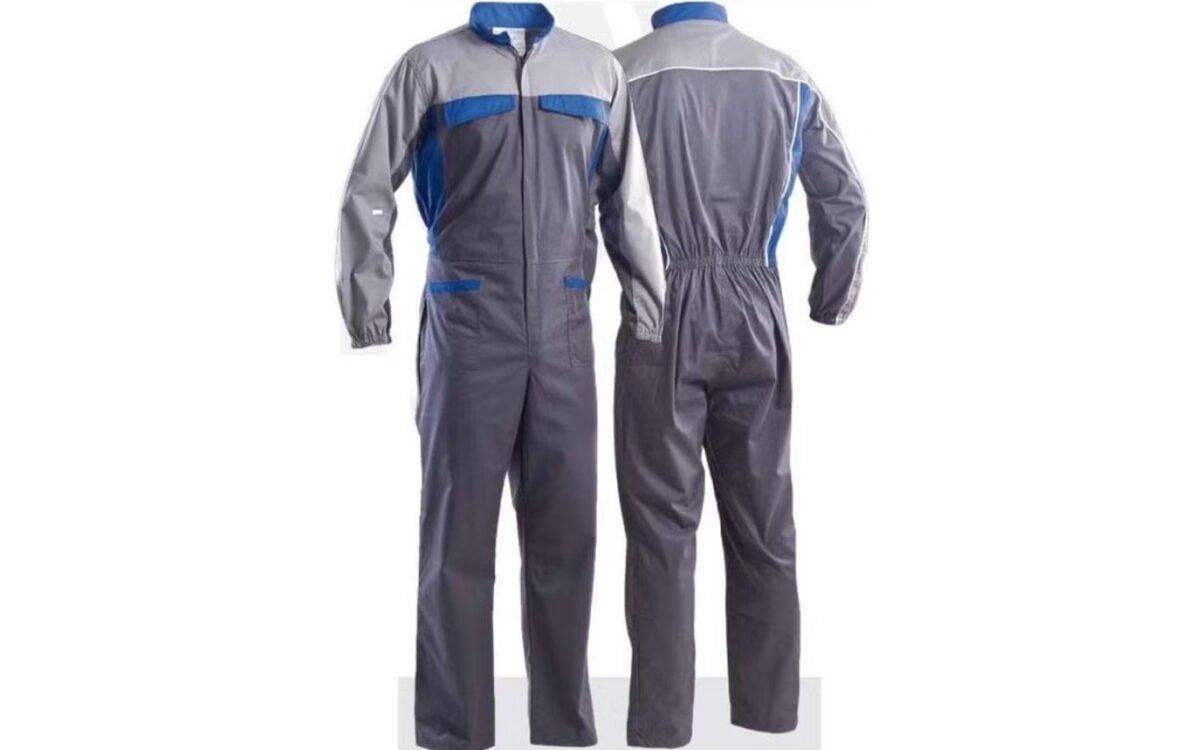
Welding Workwear Fabric: Why CPC 65/35 Cotton-Polyester Beats Both Cheap FR Cotton and Overpriced Nomex
100% cotton FR is a trap. Nomex is overkill for most welding. The answer sits in the middle: CPC 65/35 cotton-polyester blend + durable FR finish, 300–320gsm, EN 11612 compliant through 50 washes. This formula has been validated across 200+ welding stations in China, the Middle East, and Southeast Asia. It's not theory. It's what works.
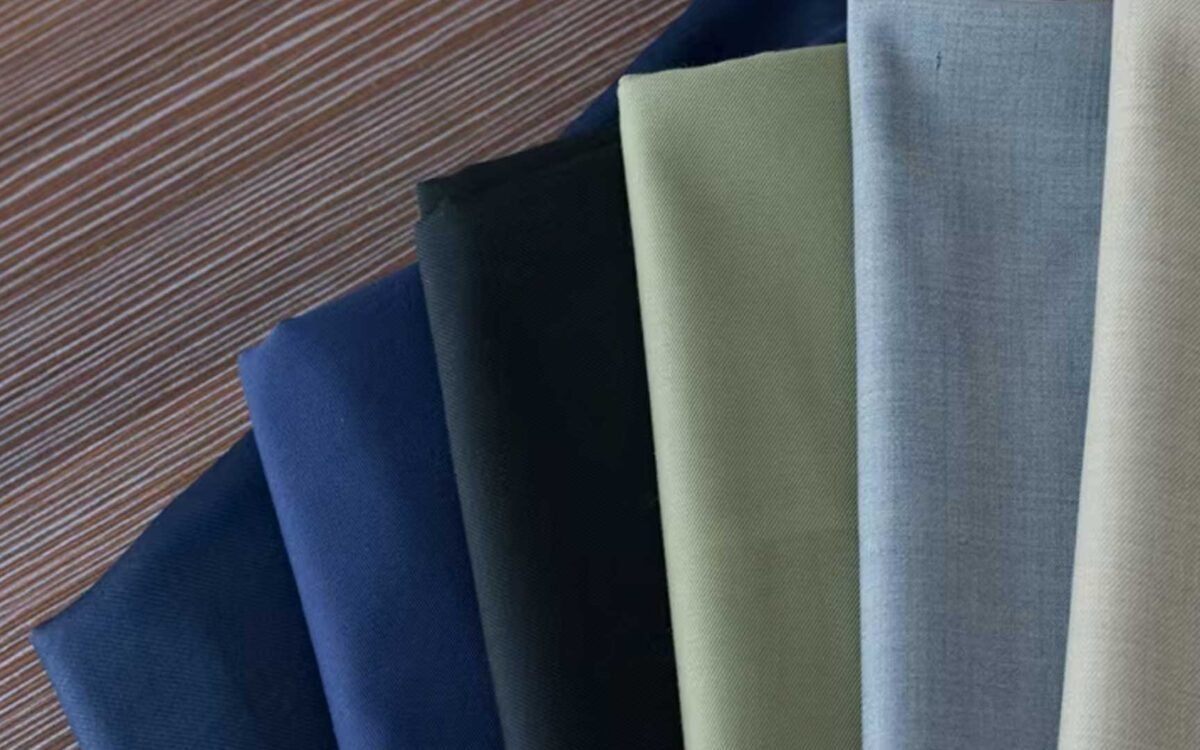
The $6 Fabric That Makes a $200 Suit Look Like $800 — And Why Most Corporate Uniforms Get This Wrong
Ordering cheap polyester suits for your leadership team is a procurement disaster waiting to happen. In this technical guide, a 15-year textile manufacturing veteran explains the precise physics behind the synthetic shine and sweat trap of commodity uniforms, and reveals the exact spec check 2/60Nm yarn, 300gsm 2/1 twill needed to source 65/35 Poly-Viscose fabric that looks like $800 wool worsted on a B2B budget.

Why Most "Washable Suits" Fail After 20 Cycles — And What Actually Works for Rental Programs
Uniform rental operations run at 80°C with aggressive detergents, destroying commodity suiting fabrics by cycle 12. Written by a textile manufacturing veteran, this article breaks down the exact fiber physics, yarn constructions, and dyeing methods required for a suit fabric to survive 50+ industrial wash cycles without losing its premium wool-like drape.
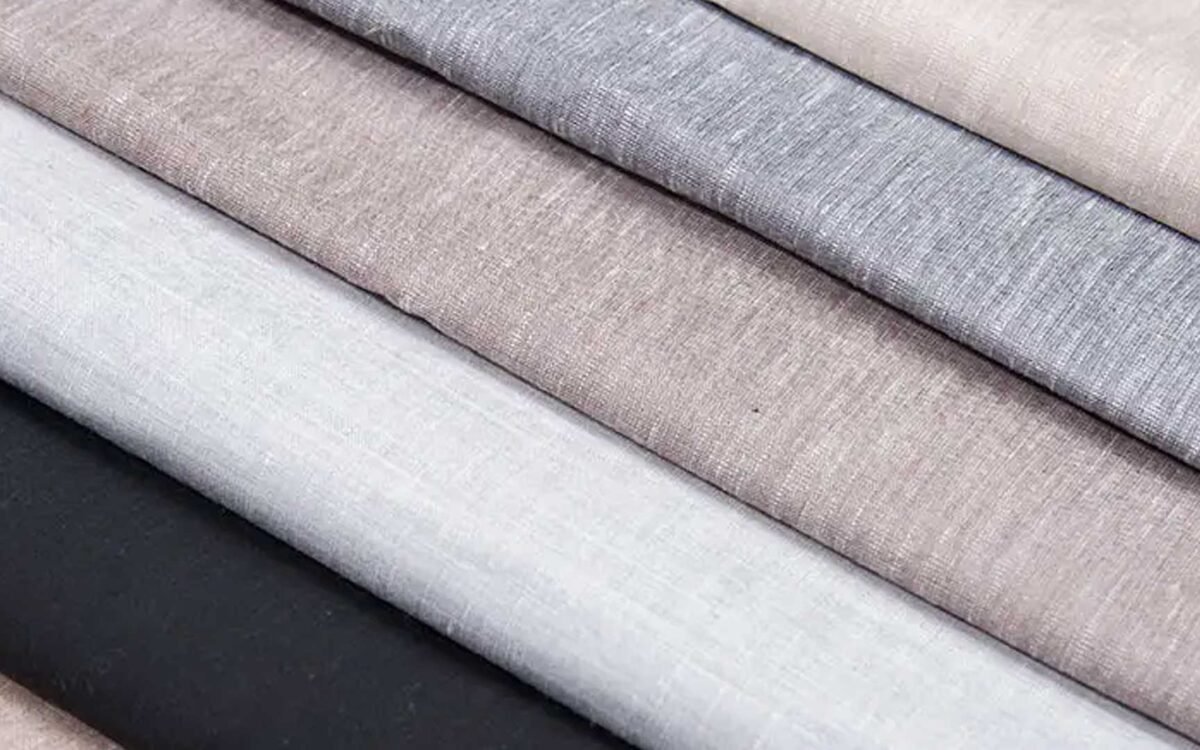
Why Poly Rayon Tropical Suiting Fabric is the Ultimate Solution for Hot Climate Uniforms
To win corporate uniform contracts in hot climates, your fabric must deliver three non-negotiables: extreme breathability, crisp wrinkle resistance, and industrial-grade durability. This is where Poly Rayon (T-R) Tropical Suiting Fabric steps in as the definitive engineering choice.
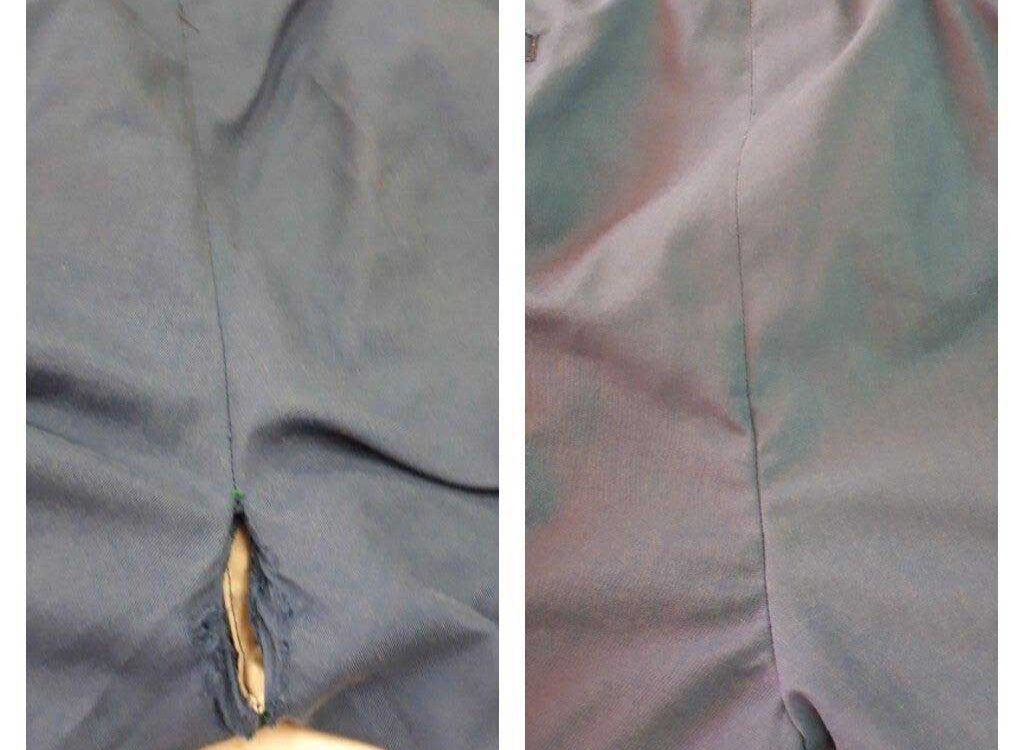
Seam Blowouts in Workwear: Why Fabric Selection Matters More Than Stitching
When a seam fails, the instinct is to blame the sewing. But in the majority of workwear seam failures, the fabric is the root cause. The stitching is merely the weakest link in a system where the fabric was already underspecified. This guide explains the mechanics of seam performance, how fabric properties determine seam strength, and what specifications to include in your purchase order to prevent blowouts before they happen.

Color Fading in Hotel Uniforms: Is Your Fabric to Blame?
Color fading in hotel uniforms is not a cosmetic problem. It is a brand problem. When a guest sees a front-desk agent in a faded, unevenly colored blazer, it signals that the property does not pay attention to detail. For a hotel that charges premium rates, that visual cue undermines everything the brand stands for. This guide explains the science behind color fading, how to specify fabrics that hold their color through 100+ industrial wash cycles, and why cheap fabric is almost always the most ...

Uniform Shrinkage After Industrial Laundry: What Fabric Specs Prevent It?
Why do your work uniforms keep shrinking after industrial washing? A textile engineer from XINGYE TEXTILE explains fabric shrinkage science and how to prevent it with the right specifications.
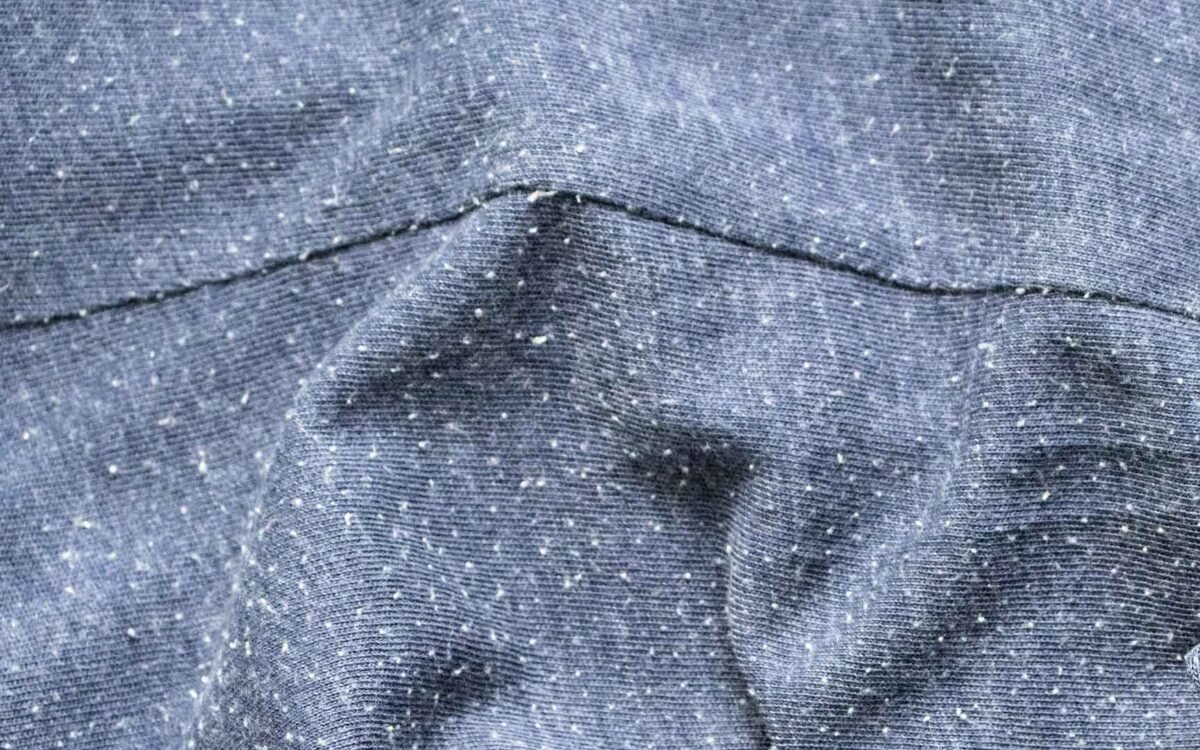
Why Your Uniforms Pill After 20 Washes (And How to Prevent It)
I have stood beside industrial washing machines in hotels, hospitals, and uniform rental laundries, watching procurement teams pull out jackets and trousers that looked like they had been through a decade of service when they were barely three months old. The surface was covered in tiny balls of fiber—pills—that made the fabric look worn, cheap, and unprofessional.

Pure Cotton vs Polyester-Cotton Blends for Chef Uniforms: A Heat & Stain Test
A chef's uniform endures conditions that few other garments can survive. It faces open flames, splattering oil, steam, flour dust, and repeated exposure to industrial laundry chemicals—often all within a single shift. The fabric choice directly affects not only the uniform's lifespan but also the wearer's comfort and safety.
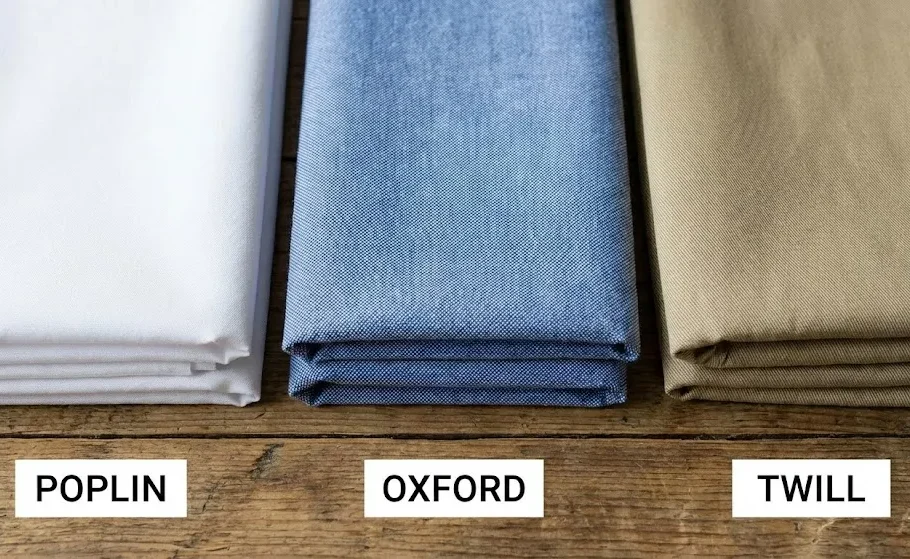
Oxford vs Twill vs Plain Weave: What's Best for Industrial Workwear?
A fabric's weave determines how it wears, how it breathes, how it launders, and how long it lasts. The fiber content tells you what the fabric is made of. The weave tells you how it behaves.
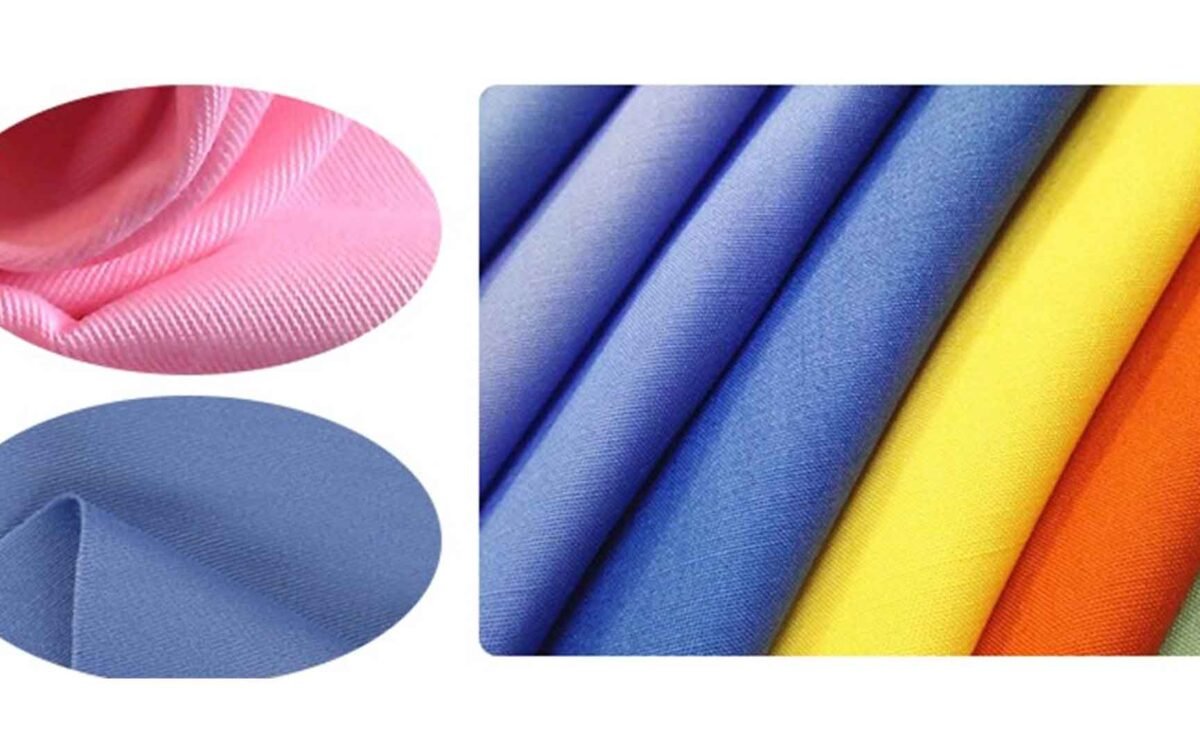
65/35 T/R vs 65/35 T/C: Choosing the Right Blend for Corporate Uniforms
Both 65/35 T/R (Polyester-Rayon) and 65/35 T/C (Polyester-Cotton) are workhorse blends that dominate the corporate uniform market. But they are not interchangeable. They serve different use cases, different laundering environments, and different budget priorities.
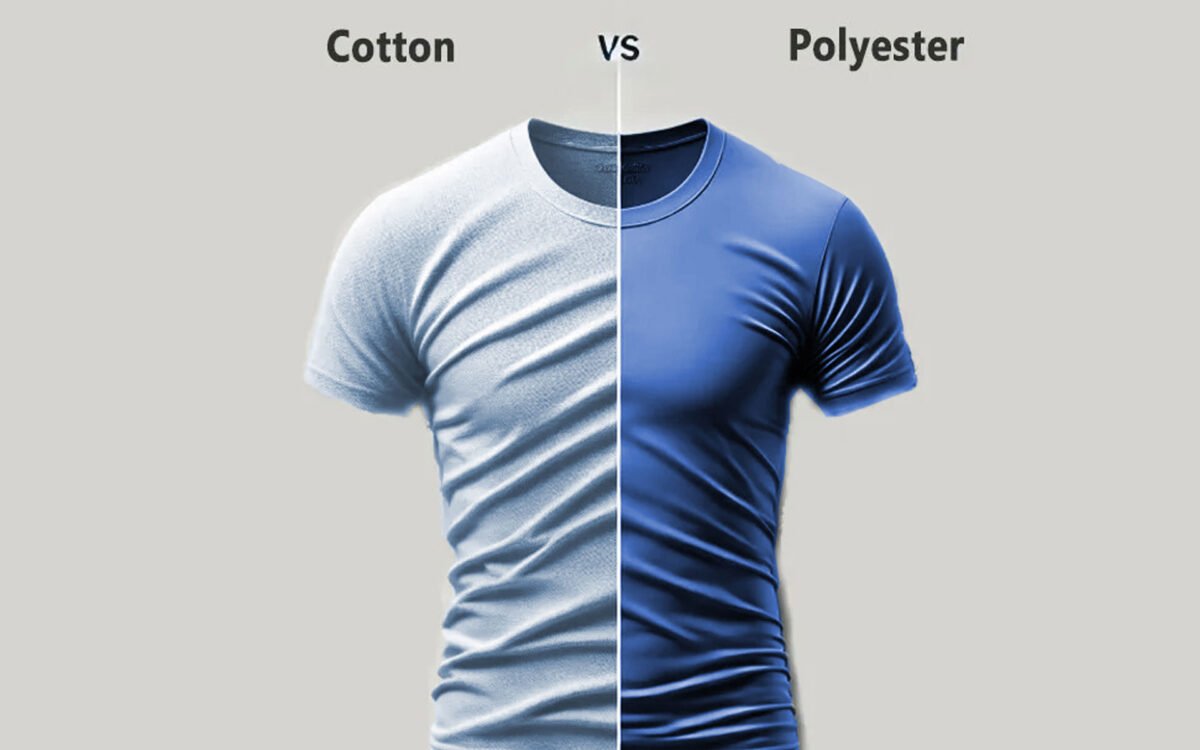
Polyester vs Cotton for Workwear: Which One Saves You Money in the Long Run?
When a procurement manager compares fabric prices, the difference is plain to see. Cotton costs roughly twice as much per meter as polyester. The instinct is to pick the cheaper option and move on. But after three decades of supplying industrial uniform fabrics to clients across Europe, Japan, and Southeast Asia, I can tell you this: the price per meter is the least reliable indicator of what a fabric will actually cost you. The real figure—the one that lands on the CFO's desk at the end of a t ...
The Definitive Guide to Industrial Uniform Fabrics: 30 Years of Manufacturing Insights
As a textile engineer with three decades of experience at XINGYE TEXTILE, I’ve seen firsthand how small fabric miscalculations lead to major financial losses. When uniforms pill prematurely, fade inconsistently, or tear at the seams, the problem almost always traces back to material selection errors—not poor stitching or design. This guide isn’t a sales pitch. It’s a technical playbook for procurement professionals, synthesizing lessons from 5,200+ industrial projects across healthcare, hospita ...

Why Do Chefs Wear Hats? The History, Meaning, and Modern Significance of the Chef's Hat
Discover why chefs wear hats, the history behind the iconic toque blanche, and how this culinary symbol represents hygiene, hierarchy, and professionalism in kitchens worldwide.
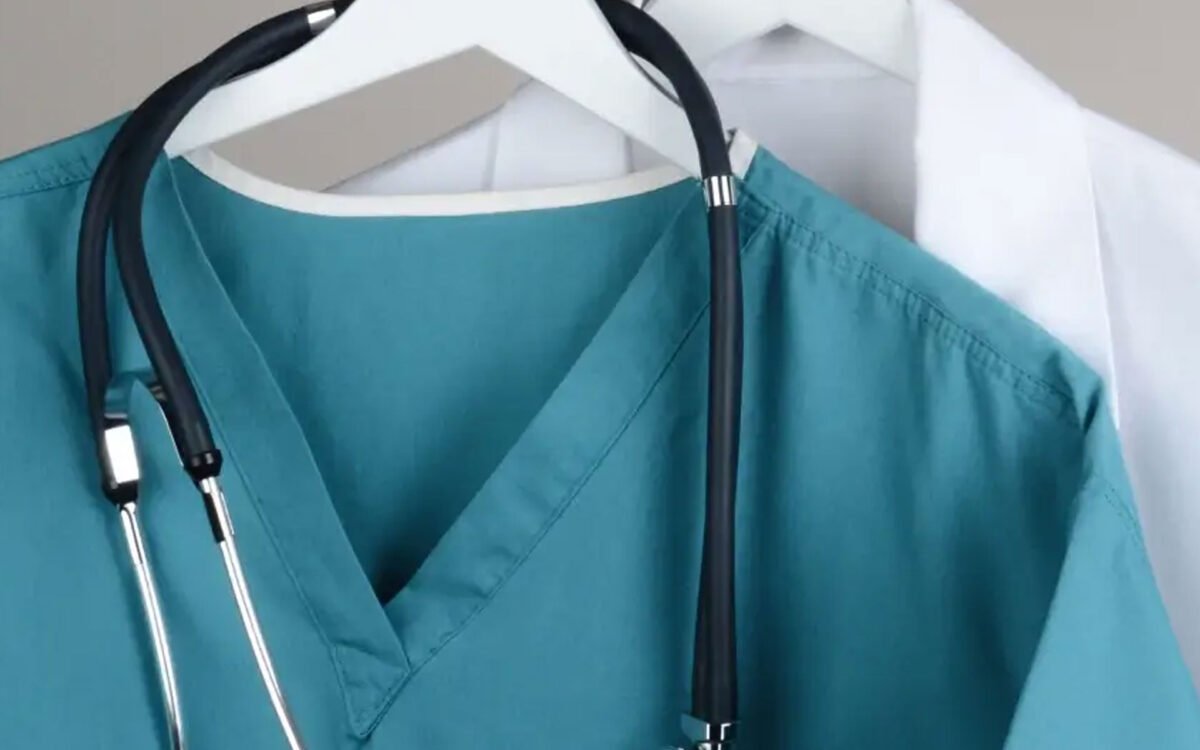
What Are Scrubs Made Of? A Comprehensive Guide to Medical Scrub Fabrics
Discover what scrubs are made of, including the most common fabrics, blends, and features that make medical scrubs comfortable, durable, and functional for healthcare professionals.

Why Do Schools Have a Dress Code? Exploring the Purpose and Benefits of School Dress Codes
Discover why schools have a dress code, the benefits of dress codes and uniform policies, and how they contribute to safety, inclusivity, and academic focus in educational settings.

Why Do Nurses Wear Scrubs? Exploring the Reasons Behind This Essential Medical Attire
Discover why nurses wear scrubs and how this practical medical uniform enhances comfort, hygiene, identification, and professionalism in healthcare settings.
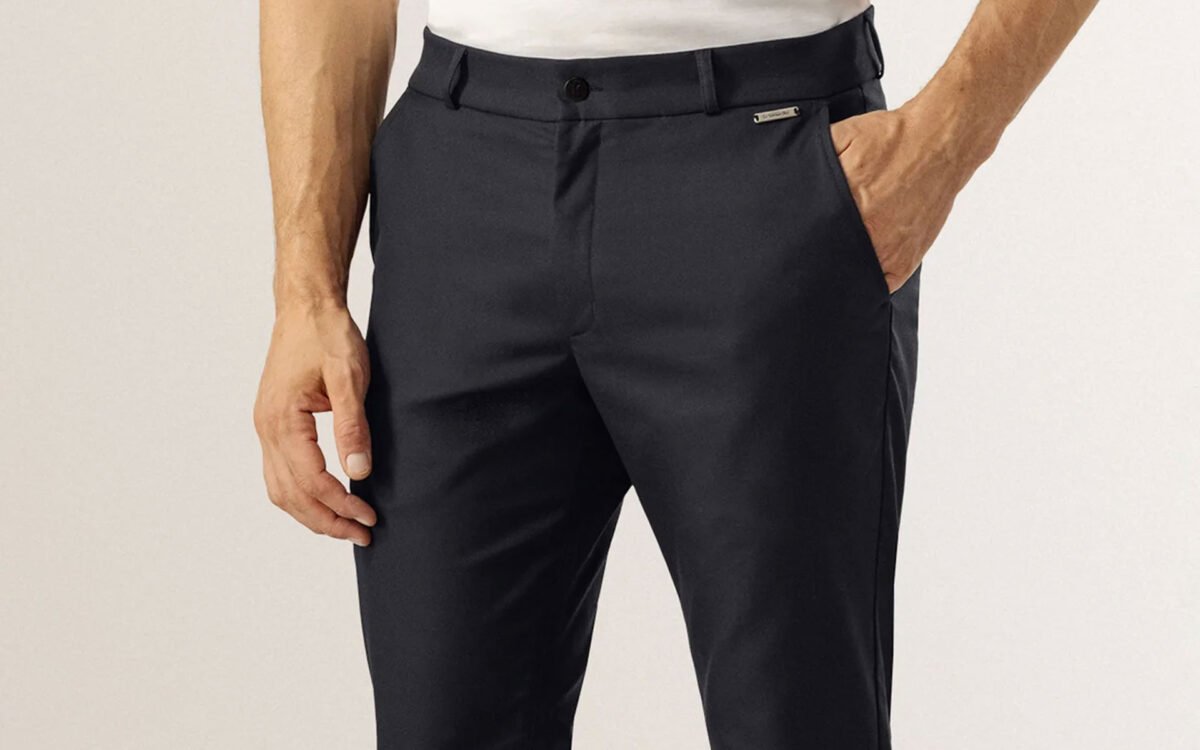
What Are Chef Pants? A Comprehensive Guide to Choosing the Perfect Culinary Trousers
Discover what chef pants are, their types, fabrics, and features. Learn how to choose the perfect pair for comfort, durability, and style in professional kitchens.
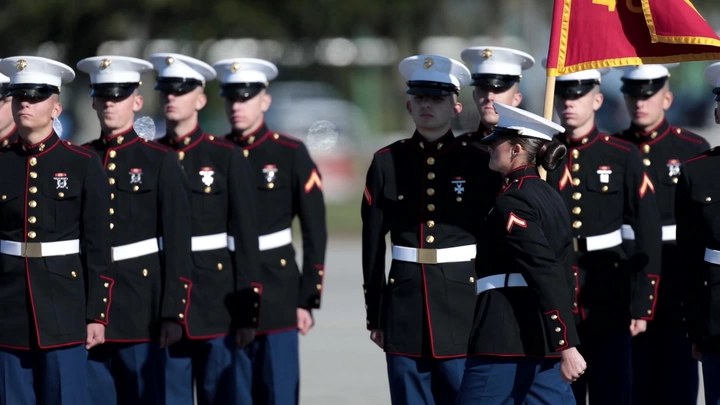
What Uniform Can Marines Wear in Public? A Comprehensive Guide
Discover what uniform Marines can wear in public, including guidelines on service, dress, and utility uniforms. Learn the rules, restrictions, and proper occasions to don Marine Corps attire off base.
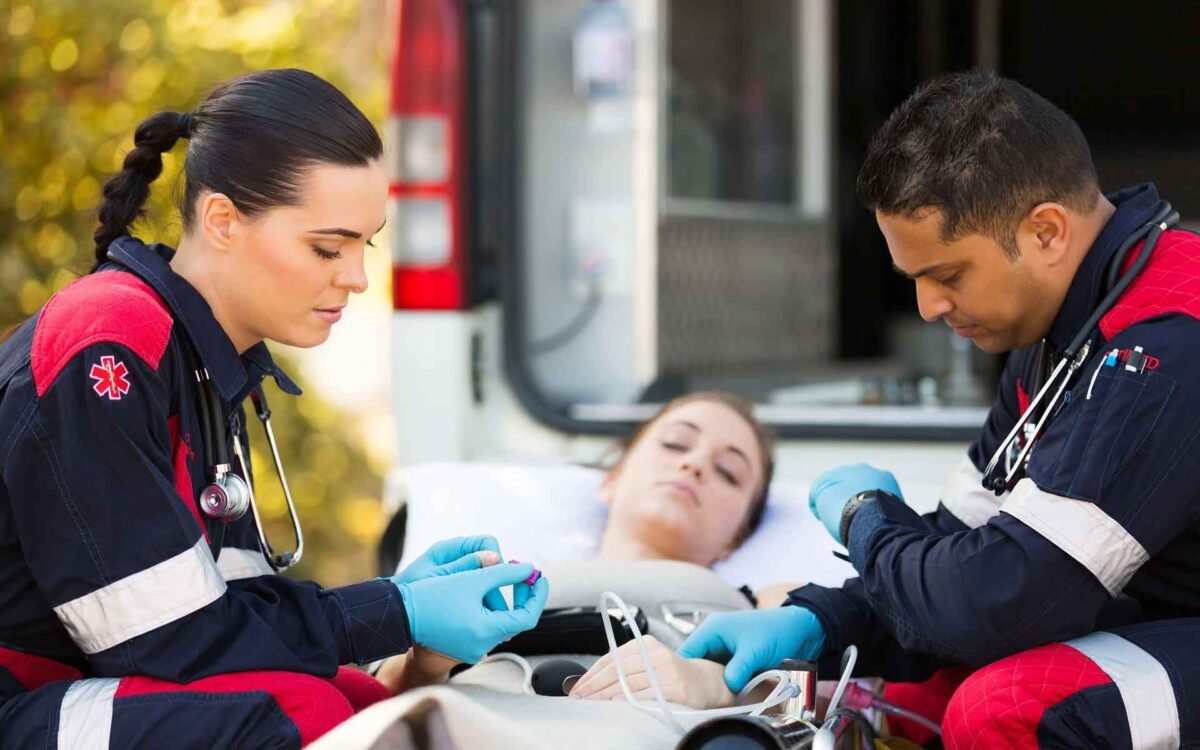
What Do Paramedics Wear? A Complete Guide to Paramedic Uniforms and Workwear
Discover what paramedics wear on duty, including their uniforms, protective gear, and accessories. Learn how their attire ensures safety, functionality, and professionalism in emergency medical services.
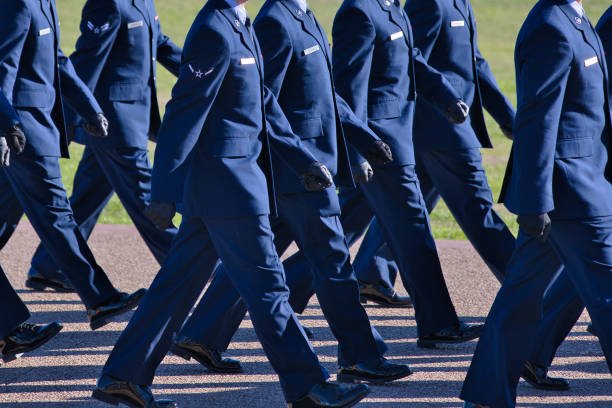
What Uniform Does the Air Force Wear?
Air Force personnel wear different uniforms depending on their duties, work environment, and daily responsibilities. In regular daily work environments, many Air Force members wear blue service uniforms. These uniforms are commonly used in offices, administrative positions, meetings, and non-combat duties.
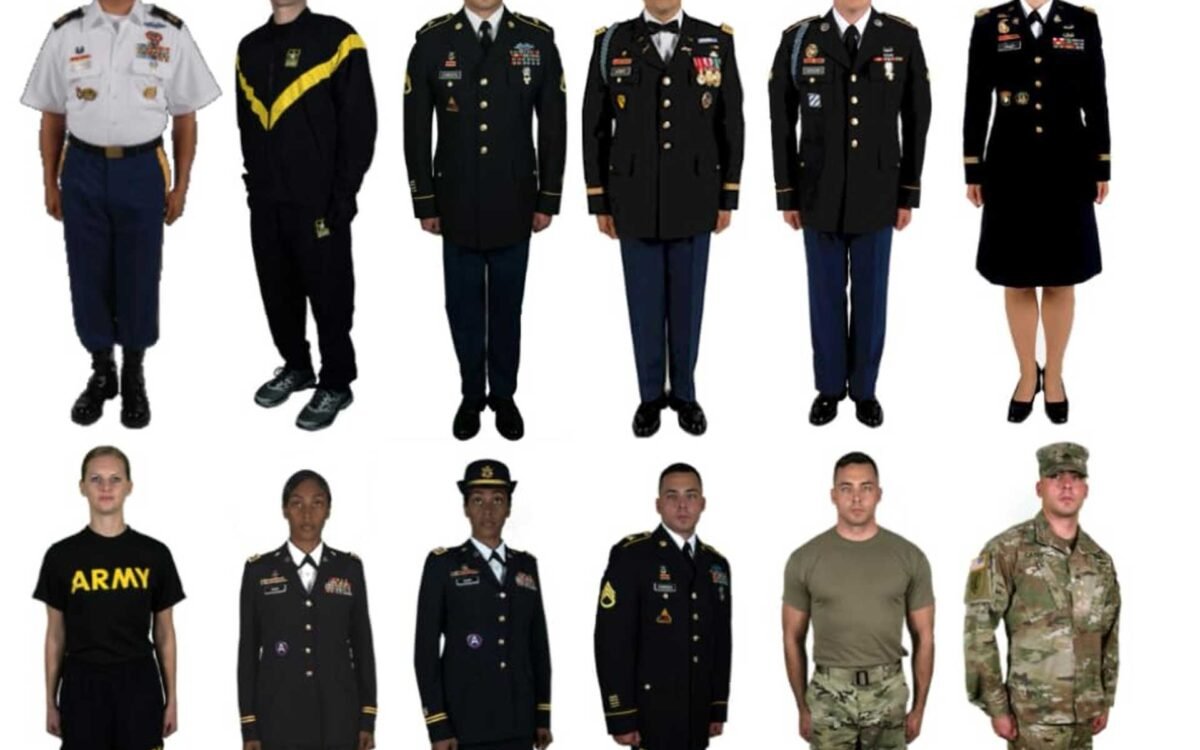
What Are Military Uniforms Called?
Military uniforms are commonly called: Combat uniforms Military fatigues Tactical uniforms Battle dress uniforms (BDU) Service uniforms Dress uniforms Different names are used depending on the military branch, country, and purpose of the uniform. Some military uniforms are designed for combat and field operations, while others are used for ceremonies, office duties, training, or formal events.
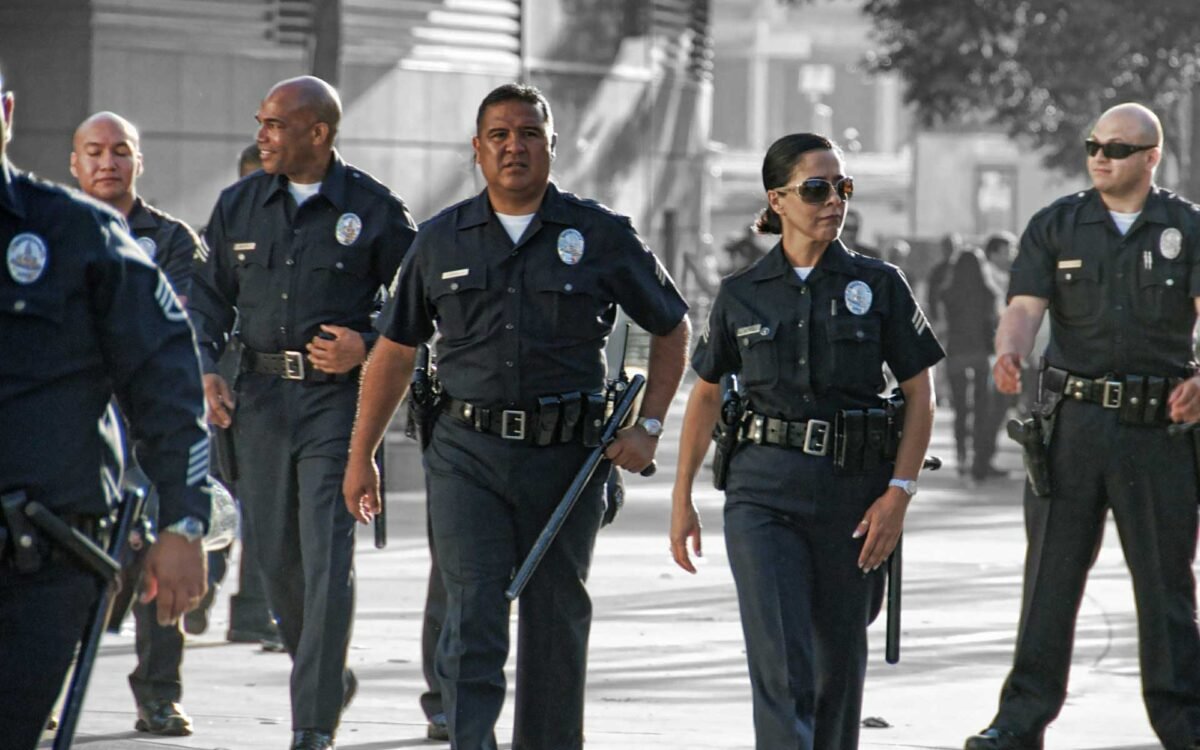
What Does a Policeman Wear?
Understanding Modern Police Uniforms & Duty Clothing Police officers wear specialized uniforms designed for authority, safety, comfort, and professional appearance during daily law enforcement duties. A modern police uniform typically includes: Police uniform shirt Tactical duty pants Utility belt Badge and name tag Tactical boots Protective vest Duty jacket or outerwear The exact uniform may vary depending on the department, climate, and job responsibilities.
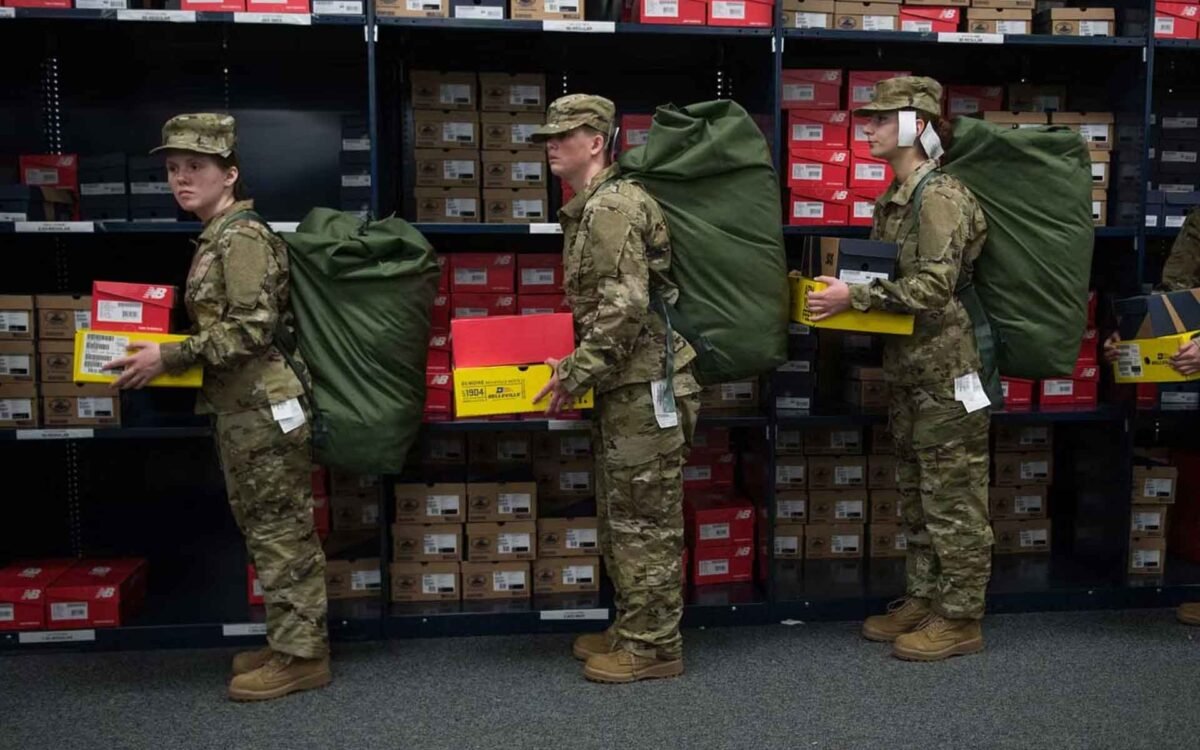
How Many Uniforms Does the Air Force Have?
The U.S. Air Force uses several major categories of uniforms, including dress uniforms, service uniforms, combat uniforms, physical training gear, and specialized flight suits. Airmen wear different uniforms depending on their job, working environment, and daily responsibilities.

What Uniform Does the Navy Wear?
Navy sailors may wear camouflage working uniforms during daily duties White or dark blue dress uniforms during ceremonies Athletic uniforms during physical training Protective coveralls while working aboard ships The uniform changes based on the situation rather than rank alone.
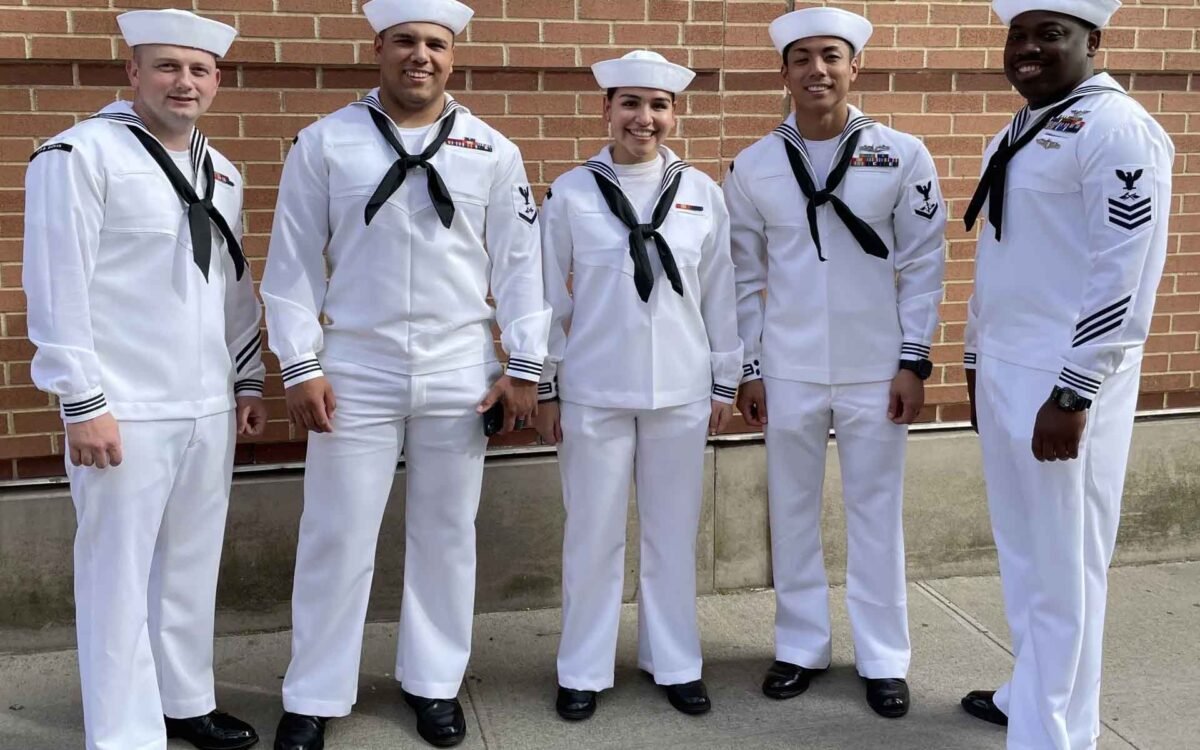
What Does the Navy Uniform Look Like?
The US Navy uniform can look very different depending on the type of duty and occasion. Some Navy uniforms are bright white and highly formal, while others are dark blue or modern camouflage designed for everyday work.
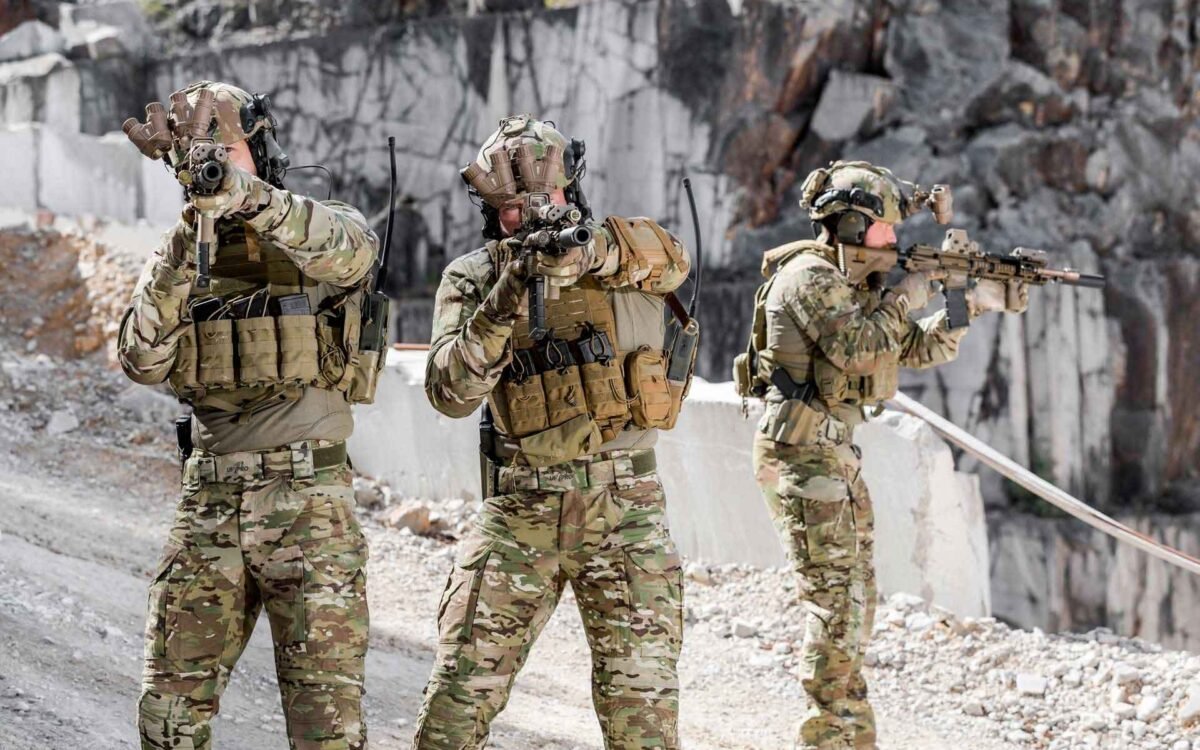
What Does BDU Stand For? Meaning, Uses, and BDU Uniform Explained
BDU stands for Battle Dress Uniform. It is a type of military-style uniform originally developed for combat training and field operations. BDU uniforms are known for their durable fabrics, camouflage patterns, reinforced construction, and practical pocket design for demanding environments.