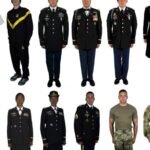
The U.S. Navy does not wear just one uniform. Sailors wear different uniforms depending on where they work, what duties they perform, and whether the occasion is formal or operational.
For example:
- Navy sailors may wear camouflage working uniforms during daily duties
- White or dark blue dress uniforms during ceremonies
- Athletic uniforms during physical training
- Protective coveralls while working aboard ships
The uniform changes based on the situation rather than rank alone.
Quick Overview of Navy Uniforms by Situation
| Situation | Typical Navy Uniform |
|---|---|
| Daily work | Navy Working Uniform (NWU) |
| Formal ceremonies | Dress White or Dress Blue |
| Office duties | Service Uniform |
| Physical training | PT Uniform |
| Shipboard work | Flame-resistant coveralls |
| Cold weather operations | Cold weather outerwear |
This is why Navy uniforms can look completely different from one setting to another.
What Uniform Does the Navy Wear Every Day?
For regular daily duties, many sailors wear the:
Navy Working Uniform (NWU)
The most common version today is the:
NWU Type III
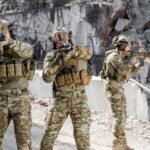
This uniform features:
- Green digital camouflage
- Long sleeves
- Cargo pockets
- Military boots
It is commonly worn during:
- Shore operations
- Maintenance work
- Training activities
- General operational duties
Compared to formal Navy uniforms, the NWU is designed more for practicality and comfort during long work hours.
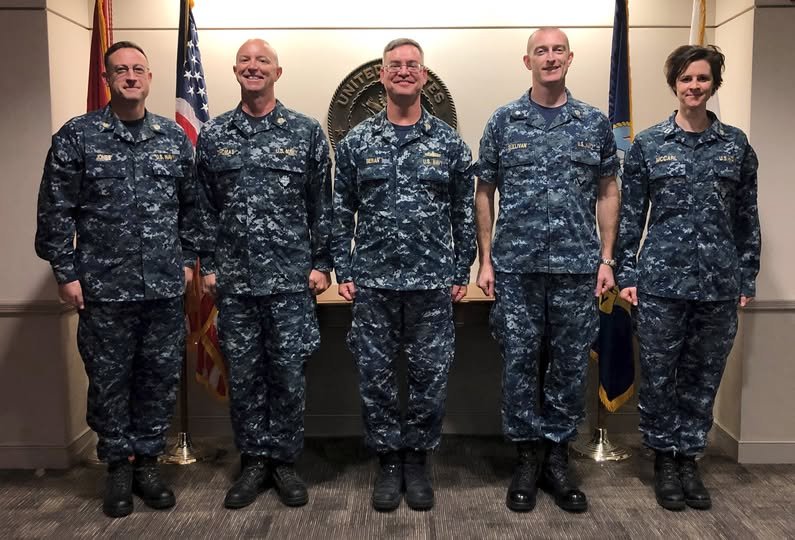
Navy Working Uniform
What Uniform Does the Navy Wear at Ceremonies?
During formal events, the Navy typically wears:
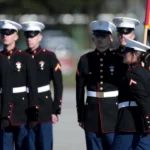
- Service Dress White
- Service Dress Blue
These are the iconic Navy uniforms most people recognize from military ceremonies and official photographs.
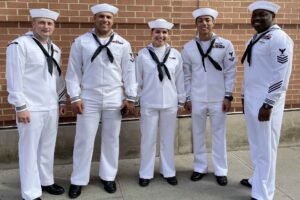
White Navy Uniform
Dress White Uniform
This version includes:
- Bright white jacket or jumper
- White trousers
- White sailor cap
- Black neckerchief or tie
It is commonly worn during:
- Summer ceremonies
- Military parades
- Official celebrations
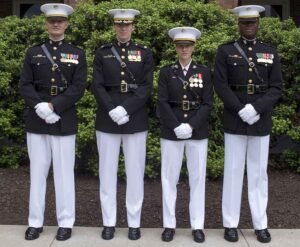
Navy Dress Blue Uniform
Dress Blue Uniform
This darker version includes:
- Navy-blue fabric
- Decorative buttons
- Formal military styling
It is often worn during:
- Formal events
- Cold-weather ceremonies
- Official functions
What Uniform Does the Navy Wear on Ships?
Sailors working aboard ships often wear more specialized clothing designed for safety and functionality.
Common shipboard uniforms may include:
- Flame-resistant coveralls
- Protective outerwear
- Safety boots
- Work gloves
- Hearing protection gear
These uniforms are designed for environments involving:
- Heat
- Machinery
- Fuel systems
- Electrical equipment
Because shipboard work can be physically demanding, these uniforms focus more on protection than appearance.
What Uniform Does the Navy Wear During Physical Training?
During exercise and fitness activities, sailors wear:

Navy PT Uniforms
Navy PT Uniforms
These usually include:
- Athletic T-shirts
- Running shorts or training pants
- Lightweight workout materials
- Running shoes
PT uniforms are designed for:
- Running
- Group exercise
- Fitness testing
- Daily physical training
Compared to other Navy uniforms, they look much more casual and athletic.
What Uniform Does the Navy Wear in Cold Weather?
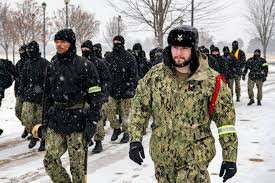
Navy Wear in Cold Weather
In colder environments, sailors may wear additional outer layers such as:
- Navy jackets
- Heavy coats
- Waterproof gear
- Thermal layers
- Cold-weather gloves
The exact clothing depends on:
- Climate
- Location
- Operational environment
Cold-weather naval uniforms are especially important for sailors operating in northern ocean regions.
Why Does the Navy Have Different Uniforms?
Different Navy jobs require different clothing.
A sailor working in an office does not need the same uniform as someone working:
- On a flight deck
- Inside an engine room
- During a formal ceremony
- In harsh weather conditions
That is why the Navy uses multiple uniform systems rather than one standard outfit for every situation.
Final Thoughts
The U.S. Navy wears different uniforms for different duties, environments, and occasions. A sailor may wear camouflage working gear during the day, a formal dress uniform for ceremonies, or specialized protective clothing aboard ships.
Rather than relying on one standard outfit, the Navy uses multiple uniform styles to match the demands of modern naval operations and military tradition.