
Antimicrobial & Hygiene Fabrics
Products for category Antimicrobial & Hygiene Fabrics
Antimicrobial fabric is a textile engineered to inhibit the growth of bacteria, mold, and mildew on the fiber surface — reducing odor, improving hygiene, and extending freshness between washes. For uniform programs in healthcare, hospitality, and food service, this is no longer a premium option; it is becoming a baseline requirement.
Showing all 7 results
-
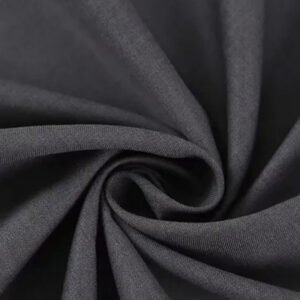
CHEF-240-AM — Chef Coat Twill 240gsm with Antimicrobial + Stain-Release Finish
Read more -
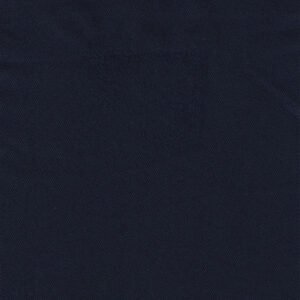
COT-130-AM — Cotton-Rich Poplin 130gsm with Silver Ion Antimicrobial Finish
Read more -
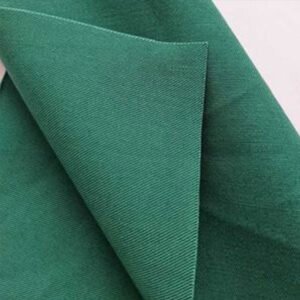
CVC-200-AM — CVC Twill 200gsm with Copper Ion Antimicrobial Finish
Read more -
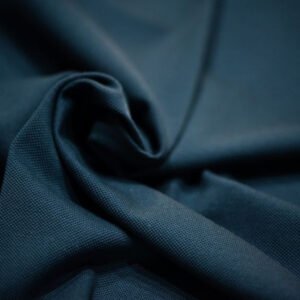
KNIT-180-AM — Performance Piqué Knit 180gsm with Embedded Silver Ion Antimicrobial
Read more -

LC-5545-T-AM — Linen/Cotton 55/45 Twill 190gsm with Silver Ion Antimicrobial
Read more -
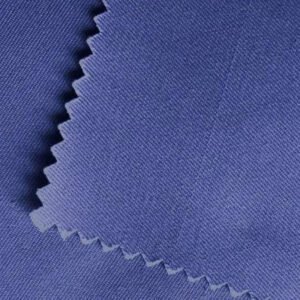
PC Twill 190gsm — with Antimicrobial Silver Ion Finish
Read more -
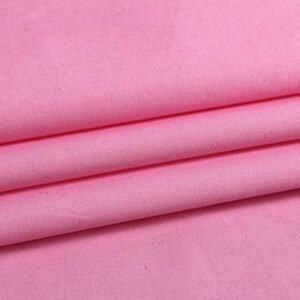
PCP-120-AM — PC Poplin 120gsm with Silver Ion Antimicrobial
Read more
How It Works
Antimicrobial performance depends on the treatment technology and whether the active agent is embedded in the fiber or applied to the surface:
| Mechanism | Description |
|---|---|
| Contact-killing | Silver or copper ions disrupt bacterial cell membranes on contact |
| Moisture management | Fiber structure wicks moisture away from skin, creating an environment hostile to microbial growth |
| Barrier coating | Surface treatment prevents microbial colonization |
Treatment Technologies Available
| Technology | Antibacterial Rate | Wash Durability | Best For |
|---|---|---|---|
| Silver Ion (Ag+) | ≥99.9% reduction | 50+ cycles (ISO 20743) | Healthcare scrubs, hospitality uniforms, food service apparel |
| Copper Ion (Cu2+) | ≥99.9% reduction | 100+ cycles (AATCC 100) | Medical uniforms, high-frequency industrial laundry programs |
| Zinc-based | ≥95% reduction | 30–50 cycles | Budget-conscious programs, casual workwear |
| Chitosan (Natural) | ≥90% reduction | 20–30 cycles | Eco-friendly / sustainable uniform programs |
Test Standards
All antimicrobial treatments are tested according to internationally recognized protocols:
| Standard | Region | Requirement |
|---|---|---|
| AATCC 100 | North America | ≥99% bacterial reduction (2-log) after 24h incubation |
| ISO 20743 | EU, Asia, Middle East | Reported as log reduction value |
| AATCC 135 / ISO 6330 | Global | Wash durability testing — efficacy retention after specified cycles |
Test organisms: Staphylococcus aureus (gram-positive), Klebsiella pneumoniae (gram-negative), E. coli.
Which Base Fabrics Can Carry Antimicrobial Finish?
Antimicrobial treatment can be applied to most of our standard fabric range. Below are the most commonly requested base fabrics for antimicrobial treatment in uniform programs:
| Base Fabric | Composition | Weight (GSM) | Typical Use |
|---|---|---|---|
| PC Twill | 65% Polyester / 35% Cotton | 190–240 | Healthcare scrubs, chef coats |
| CVC Twill | 60% Cotton / 40% Polyester | 190–240 | Hospitality uniforms, front-of-house |
| Cotton Rich Poplin | 80% Cotton / 20% Polyester | 120–150 | Shirts, blouses |
| Polyester Knit | 100% Polyester | 160–200 | Performance polos, active uniforms |
| Linen/Cotton Twill | 55% Linen / 45% Cotton | 170–210 | Resort & hospitality uniforms |
Not all fabrics accept antimicrobial treatment equally. Polyester and polyester-rich blends bond more durably with silver ion treatments. High-cotton fabrics require higher agent concentration. Contact us for a compatibility assessment on your specific fabric.
Antimicrobial Performance by Application
| Industry | Recommended Technology | Minimum Wash Durability |
|---|---|---|
| Healthcare / Medical scrubs | Silver ion or Copper — embedded preferred | 50+ cycles |
| Hospitality uniforms | Silver ion — surface treatment acceptable | 30+ cycles |
| Food service / Kitchen | Silver ion — stain-release + antimicrobial combined | 30+ cycles |
| Senior care / Nursing | Copper ion — longest durability | 100+ cycles |
| Sports / Fitness uniforms | Silver ion — moisture-wicking + antimicrobial combined | 50+ cycles |
Available Combined Finishes
Antimicrobial treatment can be layered with other functional finishes:
- Antimicrobial + Moisture-Wicking — healthcare scrubs, kitchen uniforms
- Antimicrobial + Stain-Release — food service, hospitality
- Antimicrobial + Wrinkle-Resistant (DP) — corporate uniforms, front-of-house
- Antimicrobial + FR (Flame Retardant) — specialized healthcare environments
FAQ
Q: How long does the antimicrobial treatment last? A: Depends on the technology and wash conditions. Silver ion treatments maintain ≥99% efficacy for 50+ home or industrial laundry cycles. Copper treatments last 100+ cycles. Surface-only treatments (zinc, chitosan) last 20–30 cycles. We provide a Certificate of Analysis with every batch showing log reduction achieved and number of wash cycles tested.
Q: Can you treat fabric that has already been dyed? A: Yes — antimicrobial finish is applied in the finishing stage after dyeing. Custom dye + antimicrobial treatment adds approximately 2 weeks to standard lead time.
Q: What certifications do you provide? A: Test report per ISO 20743 or AATCC 100 showing bacterial reduction against S. aureus and K. pneumoniae, plus wash durability per ISO 6330. OEKO-TEX Standard 100 certification available upon request.
Q: Is there an MOQ for antimicrobial treatment? A: Minimum 500 meters per treatment type for production runs. Sample yardage with treatment available at 50m minimum for trial.
Q: Can antimicrobial be combined with other finishes? A: Yes. The most common combinations are antimicrobial + moisture-wicking (healthcare), antimicrobial + stain-release (food service), and antimicrobial + DP (front-of-house corporate).