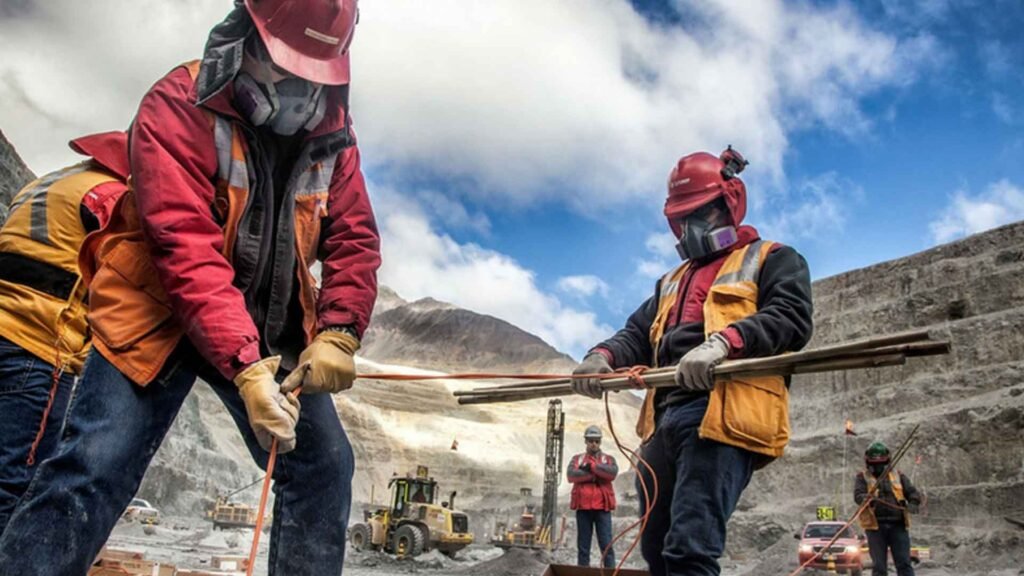
It sounds contradictory. Summer temperatures push past 35°C. Humidity soaks through every layer. And yet, walk onto any construction site and you'll see workers in hoodies — sleeves down, hoods up, sweat pooling at the collar.
It's not about fashion. It's not about being too lazy to dress for the weather. There are real, job-driven reasons construction workers wear hoodies even in the heat — and some of them actually make safety sense.
This article breaks down why hoodies persist on summer job sites, what risks they introduce, and what professional alternatives give workers the same benefits without the drawbacks.
Why Do Construction Workers Wear Hoodies in the Summer
6 Reasons Construction Workers Wear Hoodies in Summer
1. Sun Protection — The Biggest Reason
The #1 reason workers wear hoodies in summer is UV protection.
- A standard cotton t-shirt offers ~UPF 5–8 (poor protection)
- A heavyweight cotton hoodie offers ~UPF 20–50+ depending on thickness and color
- The hood protects the neck and ears — the #1 spot for skin cancer among outdoor workers
Construction workers spend 8–12 hours/day in direct sun. Sunscreen sweats off in 20 minutes and needs reapplication every 2 hours — impractical on a job site. An opaque hoodie is passive, continuous sun protection that doesn't require a break.
Key stat: Outdoor workers have 3.5× higher risk of non-melanoma skin cancer than indoor workers (World Health Organization). A hoodie's hood and long sleeves provide the single easiest form of daily sun protection.
2. Kangaroo Pocket — The Best Tool Pouch on Site
The front kangaroo pocket on a hoodie is surprisingly practical for construction:
| Item Carried | Why It Works |
|---|---|
| Gloves | Quick on/off between tasks |
| Safety glasses | Stored when not in use |
| Phone | Protected from dust & debris |
| Tape measure | Fast access |
| Small hardware | Screws, nails, anchors |
| Earplugs | On-demand hearing protection |
No zipper to scratch surfaces. No buttons to snag on rebar. One hand in, one hand out. Workers who wear tool belts still use the kangaroo pocket for items that need rapid access.
3. Layering Under Hi-Vis Vests
Most construction sites require ANSI Class 2 or Class 3 hi-vis vests. A hoodie worn under a mesh hi-vis vest creates a practical layering system:
- Vest provides the reflectivity (compliance)
- Hoodie provides the coverage (comfort, sun, dust)
- No trapped heat — the vest is mesh, air flows over the hoodie
- Easy to remove the vest at lunch or off-site without removing the hoodie
The hood also fits under a hard hat neatly — workers can pull the hood up for neck/ear sun coverage while the hard hat sits on top.
4. Dust, Debris & Silica Protection
Summer construction means dust, drywall debris, concrete powder, and silica dust. A hoodie:
- Keeps dust off the worker's neck and collar
- Prevents debris from falling down the back of the shirt
- Provides a barrier between skin and itchy insulation, fiberglass, or drywall compound
- Reduces direct skin exposure to respirable silica — a known carcinogen in concrete, masonry, and demolition work
A hoodie is, in effect, a sacrificial dust layer. Workers would rather wash a hoodie every few days than shower construction dust out of their skin pores every night.
5. Temperature Buffer — Paradox but True
A thin cotton hoodie actually helps with temperature regulation in hot, dry climates:
- Prevents direct sun on skin (lowers perceived heat)
- Absorbs sweat and creates evaporative cooling (provided there's air movement)
- Buffers the shock of going from 35°C direct sun into air-conditioned trailers
- Protects forearms from hot surfaces (rebar, metal roofing, hand tools left in the sun)
This only works in dry heat (below ~40% humidity). In high humidity, the hoodie soaks through and becomes a heat trap, not a helper.
6. Identity & Crew Culture
There's a cultural factor too. Hoodies with company logos, crew names, or union branding are a badge of belonging. A worker wearing a branded hoodie identifies with their crew, signals experience, and builds social cohesion on site. This isn't a safety driver, but it's a real reason hoodies stay on in summer.
The Risks: When a Hoodie Becomes a Liability
While hoodies solve real problems, they also introduce real risks that professional workwear addresses.
⚠️ NO Flame Resistance — Melt & Burn Risk
This is the biggest danger with street-bought hoodies. Standard cotton or poly-cotton hoodies from retail stores:
- Are not FR-rated — they ignite and continue burning
- Polyester or polyester-blend hoodies melt and drip — causing severe molten-plastic burns
- Fail ASTM D6413 vertical flame test
- Provide zero arc flash protection under NFPA 70E
However, the solution exists: FR-rated work hoodies made from treated cotton fleece or inherent FR knit fabrics provide the same hoodie feel while meeting NFPA 70E and EN ISO 11612 standards. These are the safer choice for sites with arc flash, weld-spark, or flash-fire risk.
⚠️ Gets Heavy & Cold When Wet
Cotton hoodies absorb water like a sponge (up to 25× their dry weight in absorbed moisture):
- Soaked with sweat = heavy, uncomfortable, chafing
- Soaked with rain = cold, clingy, hypothermia risk in windy weather
- Soaked with chemicals = chemical burns against skin
Better option: Performance fleece or poly-cotton blended hoodies with DWR treatment dry faster and maintain insulation when wet.
⚠️ No Hi-Vis Rating
Standard hoodies (even bright colors) do not meet ANSI/ISEA 107 hi-vis standards. Workers wearing a hoodie without a hi-vis vest overlay are non-compliant on sites requiring Class 2 or 3 visibility.
Better option: Hi-vis rated fleece hoodies with integrated reflective tape eliminate the need for a separate vest while keeping the hoodie function.
⚠️ Snag & Entanglement Hazard
Hoodie drawstrings, loose cuffs, and baggy fit create snag hazards:
- Drawstrings can catch on machinery, scaffolding, or rebar
- Baggy sleeves can get caught in drills, saws, or rotating equipment
- OSHA guidance explicitly warns against loose clothing around moving parts
Better option: Work hoodies with breakaway drawstrings, elastic cuffs, and tailored fit reduce entanglement risk.
⚠️ Heat Stress in High Humidity
In humid climates (>60% RH), a cotton hoodie:
- Traps body heat
- Prevents sweat evaporation
- Increases risk of heat exhaustion and heat stroke
- Causes rapid dehydration from excessive sweating
Better option: Lightweight (180–220 GSM) moisture-wicking fleece or mesh-lined hoodies improve airflow while maintaining coverage.
Hoodie vs. Professional Workwear Alternatives
| Feature | Street Cotton Hoodie | Performance Work Hoodie | Hi-Vis Hoodie | FR-Rated Hoodie |
|---|---|---|---|---|
| Sun protection (neck) | ★★★★☆ (hood) | ★★★★☆ (hood) | ★★★★☆ | ★★★★☆ (some with hood) |
| Dust/debris coverage | ★★★★☆ | ★★★★☆ | ★★★★☆ | ★★★★☆ |
| Kangaroo pocket | ★★★★★ | ★★★★★ | ★★★★★ | ★★★★★ |
| FR rated | ✗ | ✗ (unless specified) | ✗ (unless specified) | ✓ (NFPA 70E, ASTM D6413) |
| Hi-vis compliant | ✗ | ✗ | ✓ (ANSI Class 2 or 3) | ✓ (FR + hi-vis option) |
| Quick dry | ✗ (absorbs water) | ✓ (poly-cotton or fleece) | ✓ | ✓ (FR blends) |
| Industrial laundry safe | ✗ (shrinks, fades) | ✓ | ✓ | ✓ |
| Breakaway drawstring | ✗ | ✓ (standard) | ✓ | ✓ |
| Price | $15–40 | $25–60 | $35–80 | $60–150 |
What Construction Companies Should Provide
If you manage a construction site where workers routinely wear hoodies in summer, here's the best approach:
Don't ban hoodies — workers will either ignore the rule or switch to non-FR, non-hi-vis alternatives that are worse.
Do provide professional work hoodies that give workers what they want plus safety compliance:
| Worker's Need | Professional Hoodie Solution | Safety Upgrade |
|---|---|---|
| Sun protection (neck & arms) | Hooded work shirt or fleece hoodie | Consistent UPF rating |
| Kangaroo pocket storage | Work hoodie with dual kangaroo + zippered pockets | Secure closure, no tool drop |
| Dust barrier | Heavyweight fleece hoodie (280+ GSM) | Better filtration, washable |
| FR requirement | FR-treated cotton fleece hoodie | Meets NFPA 70E, ASTM D6413 |
| Hi-vis requirement | ANSI-rated hi-vis hoodie with reflective tape | Eliminates need for separate vest |
| Crew identity | Company-branded custom work hoodie | Professional appearance, team cohesion |
About Xingye Textile
XINGYE TEXTILE is a vertically integrated uniform fabric and garment manufacturer with 30 years of experience. We produce knit and woven fabrics and manufacture finished garments — from the fabric roll to the finished product.
Knit workwear & hoodie capabilities:
- ✅ Cotton jersey & fleece fabrics (180–400 GSM) — for hoodies, crewnecks, base layers
- ✅ Polyester-cotton blended fleece — reduced pilling, industrial laundry resistant
- ✅ FR-treated knit fabrics — for FR-rated hoodies (NFPA 70E / EN ISO 11612)
- ✅ Hi-vis knit fabrics — ANSI / EN ISO compliant colors with integrated reflectivity
- ✅ Custom development — weight, color, finish, logo embroidery, and private labeling
- ✅ Finished garment manufacturing — fabric to finished hoodie under one roof
Our full range for the construction workwear industry:
| Category | Product Examples | Key Features |
|---|---|---|
| Knits | Work hoodies, crewnecks, T-shirts, polos | Fleece, jersey, pique, hi-vis, FR options |
| Wovens | Work pants, work shirts, coveralls, outerwear | Cotton twill, CVC, TR, nylon-cotton ripstop |
| Functional | FR, hi-vis, antimicrobial, DWR, anti-static | Certified to international standards |
We supply fabric rolls and finished garments to workwear brands, safety PPE distributors, construction companies, and corporate uniform programs in 50+ countries.
Have a workwear project? Contact us for samples, spec sheets, and custom development pricing.