The U.S. Navy has several major categories of uniforms, including dress uniforms, service uniforms, working uniforms, physical training uniforms, and specialized operational gear. In reality, most sailors wear multiple uniforms throughout their service depending on where they work, the weather, and the type of duty they perform.
From formal white ceremonial uniforms to practical camouflage workwear used aboard ships and naval bases, the Navy’s uniform system is designed around function as much as appearance.
Quick Answer
| Category | Purpose |
|---|---|
| Dress Uniforms | Ceremonies and formal events |
| Service Uniforms | Daily professional duties |
| Working Uniforms | Operational and technical work |
| PT Uniforms | Physical training and exercise |
| Specialized Uniforms | Aviation, shipboard safety, cold weather, and tactical operations |
While there is no single official number, the Navy maintains dozens of uniform variations across different environments and operational needs.
how many uniforms does the navy have
Why Does the Navy Use So Many Uniforms?
The Navy operates in very different working conditions compared to most professions.
A sailor may work:
- Inside engine rooms with high heat
- On aircraft carriers exposed to fuel and machinery
- In cold ocean environments
- In administrative offices
- At formal ceremonies and military events
One uniform simply cannot handle every situation safely and effectively.
That is why the Navy developed separate uniforms focused on:
- Durability
- Safety
- Weather protection
- Professional appearance
- Comfort and mobility
Modern naval uniforms are designed not only to look professional, but also to perform in demanding environments.
1. Dress Uniforms
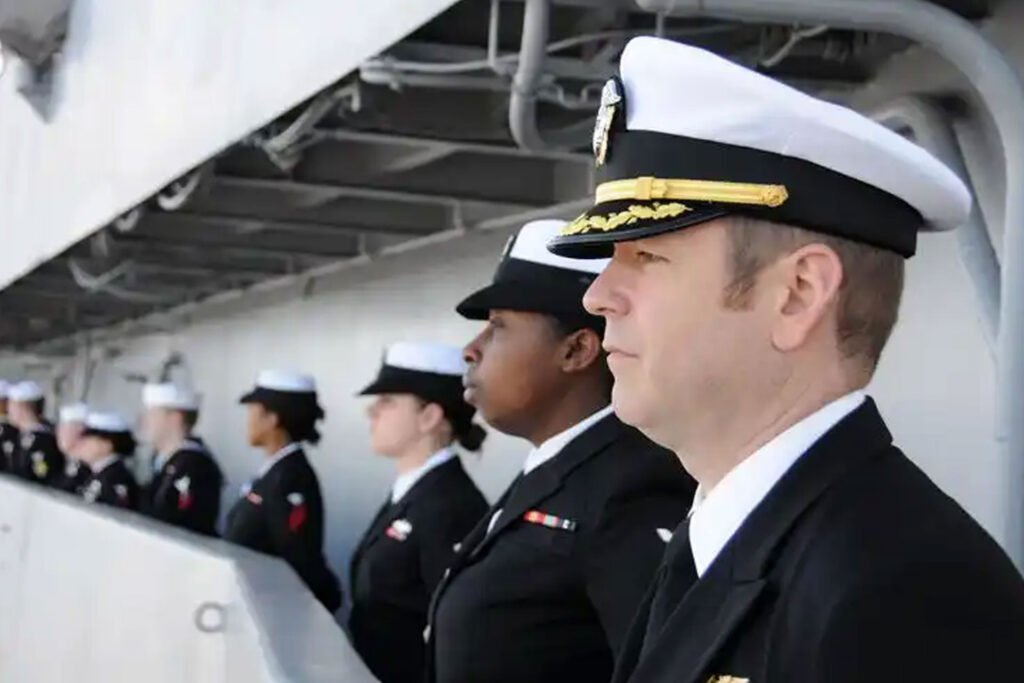
Dress uniforms are the most recognizable Navy uniforms and are typically seen during ceremonies, official events, and public appearances.
The two best-known versions are:
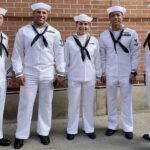
Service Dress White
This iconic white uniform is strongly associated with naval tradition. It is commonly worn during warm-weather ceremonies and formal summer events.
Service Dress Blue
The dark blue version is used more frequently during colder seasons and official functions.
These uniforms prioritize appearance, tradition, and military identity rather than operational performance.
2. Navy Working Uniforms (NWU)
Working uniforms are designed for practical, everyday operational use.
Unlike dress uniforms, these outfits focus heavily on:
- Functionality
- Durability
- Safety
- Comfort during long work hours
One of the most common examples today is the:
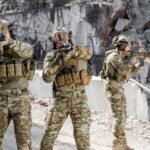
Navy Working Uniform Type III
This green digital camouflage uniform is widely used across many Navy environments.
It is designed for:
- Shore operations
- Daily work assignments
- Tactical support environments
The material used in these uniforms is often much tougher than ordinary clothing fabrics because sailors work around:
- Metal surfaces
- Equipment
- Tight ship compartments
- Industrial machinery
Ripstop fabric blends are commonly used to improve tear resistance and durability.
3. Service Uniforms
Service uniforms fall between formal dress wear and tactical work uniforms.
These are commonly worn in:
- Offices
- Administrative settings
- Professional day-to-day duties
They provide a clean military appearance while remaining more comfortable and practical than full ceremonial uniforms.
For many sailors working onshore, service uniforms are part of normal daily wear.
4. Physical Training (PT) Uniforms
The Navy also maintains dedicated uniforms for exercise and fitness training.
PT uniforms are designed for:
- Running
- Gym training
- Physical readiness tests
These uniforms focus more on:
- Breathability
- Lightweight performance
- Moisture management
Unlike dress uniforms, appearance is secondary to comfort and movement.
5. Specialized Navy Uniforms
Some Navy jobs require even more specialized protective clothing.
Examples include:
Flame-Resistant Coveralls
Sailors working aboard ships may wear flame-resistant uniforms designed to reduce injury risks during onboard emergencies.
Flight Deck Gear
Aircraft carrier crews work around:
- Jet engines
- Fuel systems
- Extreme noise
- High temperatures
Final Thoughts
The U.S. Navy does not rely on a single standard uniform. Instead, it uses an entire system of uniforms designed for different operational, professional, and ceremonial situations.
From traditional dress whites to modern tactical workwear, each uniform serves a specific purpose shaped by safety, functionality, and military tradition.
As military technology and textile manufacturing continue to evolve, Navy uniforms will likely continue evolving as well — becoming lighter, safer, more durable, and better suited to modern naval operations.