The right uniform fabric isn't the softest, cheapest, or most popular one — it's the one that matches five things: end use, working environment, required performance, wash cycle frequency, and total cost over the garment's service life. Most buying mistakes happen because someone picks a fiber composition first ('we need 65/35 poly-cotton') before answering any of those questions. This guide walks through the decision in the right order, so you land on a fabric spec you can actually hand to a supplier with confidence.
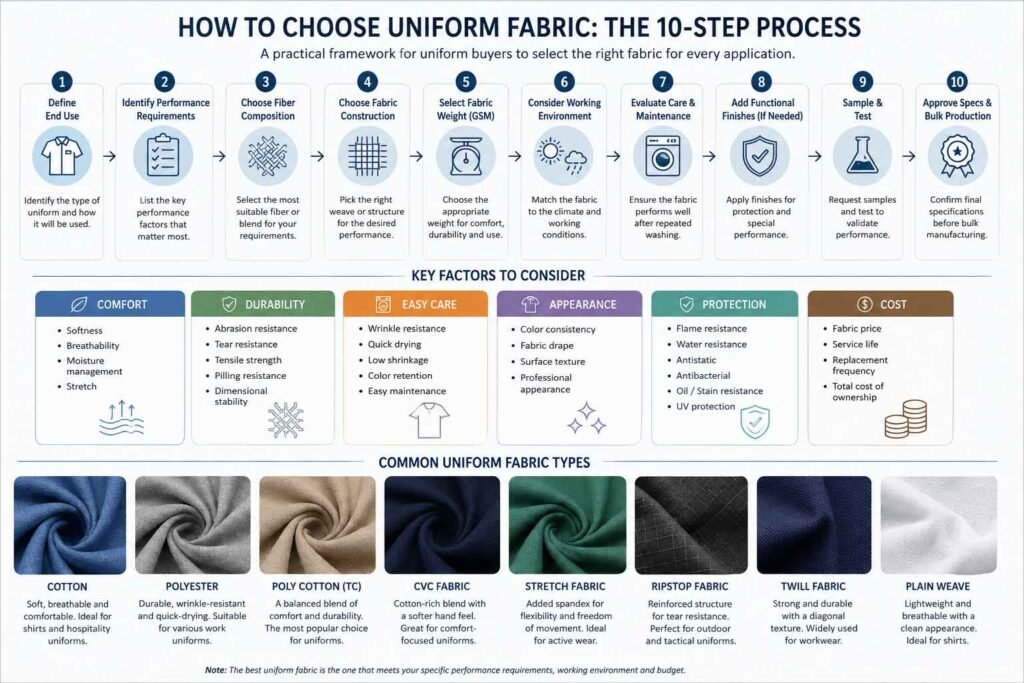
How to Choose Uniform Fabric
The Mistake Almost Every First-Time Buyer Makes
Ask a new uniform buyer what fabric they want, and the answer is usually a fiber ratio: 'TC 65/35' or '100% cotton.' That's answering the wrong question first. Fiber composition is step three or four in a real sourcing decision — not step one.
The right starting question is always: what does this uniform need to survive, and how often will it be washed? A hotel front-desk shirt and a warehouse coverall might both be 'uniforms,' but they have almost nothing in common in terms of fabric requirements. Skipping straight to fiber percentage is how buyers end up with a fabric that looks fine on a swatch card and fails in the field.
Step 1: Define the End Use Before Anything Else
| Uniform Type | Primary Fabric Requirement |
|---|---|
| Medical scrubs | Stretch, breathability, easy care |
| Industrial workwear | Abrasion resistance, tear strength |
| Hotel/hospitality | Appearance, drape, easy care |
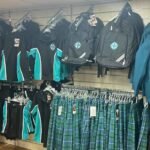
| School uniforms | Durability, color retention, low cost per wear |
| Chef uniforms | Breathability, high wash tolerance |
| Security uniforms | Structure, durability, professional look |
| Outdoor workwear | Weather resistance, abrasion resistance |
| Corporate office | Wrinkle resistance, appearance |
Before requesting a quote, get clear answers to:
- How many hours a day is it worn, and how physically active is the wearer?
- Indoor, outdoor, or both?
- What's the wash frequency — daily, industrial laundering, or home wash?
- Are there safety or compliance requirements (flame resistance, hi-vis, etc.)?
Step 2: Rank What Actually Matters — You Can't Optimize for Everything
Every fabric is a trade-off. A fabric optimized for maximum durability will rarely be the softest option, and the most breathable fabric is rarely the most wrinkle-resistant. Before comparing fiber options, rank your top two priorities from this list:
- Comfort: softness, breathability, moisture management, stretch
- Durability: abrasion resistance, tear strength, pilling resistance, seam strength
- Easy care: wrinkle resistance, quick dry, shrink control, color retention
- Appearance: drape, surface texture, consistent color, professional finish
- Protection: flame resistance, water repellency, antistatic, antibacterial
Trying to max out all five in one fabric usually means paying a premium for properties the wearer doesn't actually need. A warehouse coverall doesn't need hospitality-grade drape; a hotel shirt doesn't need industrial abrasion resistance.
Step 3: Choose Fiber Composition — Once You Know What You're Trading Off
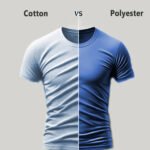
Cotton — soft, breathable, natural feel. Wrinkles, shrinks, dries slowly. Works well for hospitality, school uniforms, and casual apparel where comfort outranks low-maintenance.
Polyester — durable, quick-drying, wrinkle-resistant, holds color well. Less breathable, less natural feel. The default for workwear and high-wash-frequency programs.
Polyester-cotton blends (65/35, 60/40, 50/50) — the practical middle ground most uniform programs land on. Higher polyester content favors durability and easy care; higher cotton content favors comfort and hand feel. → See [TC vs CVC Fabric Guide] for how blend ratios affect hand feel and cost.
CVC (cotton-rich blend) — when comfort matters more than the cost savings polyester offers, CVC is often the compromise buyers land on for medical, school, and hospitality uniforms.
Stretch fabrics (spandex/elastane blends) — improve mobility for scrubs, active workwear, and fitted uniform pants. The number that matters isn't stretch percentage, it's stretch recovery after 50+ industrial washes — ask suppliers for this specifically, not just the initial stretch spec.
Step 4: Choose Fabric Construction
The same fiber blend behaves differently depending on how it's woven:
- Plain weave — smooth, lightweight, breathable. Good for shirts and lightweight uniforms.
- Twill — diagonal weave, stronger and more abrasion-resistant, structured look. The standard for workwear pants and industrial uniforms.
- Ripstop — reinforced grid structure that resists tearing. Used for outdoor and tactical workwear where tear resistance matters more than smoothness.
→ See [Plain Weave vs Twill] and [Twill vs Ripstop] for a deeper technical comparison.
Step 5: Choose Fabric Weight (GSM) — Match It to the Job, Not a Default
Higher GSM is not automatically better — it's just denser and heavier. Match weight to the application:
| Weight Range | Typical Use |
|---|---|
| 120–180 GSM | Summer uniforms, shirts, lightweight medical wear |
| 180–250 GSM | General workwear, school uniforms, corporate apparel |
| 250+ GSM | Industrial workwear, heavy-duty and protective garments |
A heavier fabric in a hot climate can actually reduce comfort and increase complaints, even though it 'feels more substantial' on a swatch. → See [Uniform Fabric Weight Guide] for a full GSM breakdown by product type.
Step 6: Match Fabric to the Working Environment
This is the step buyers with multi-country programs skip most often — the same uniform spec doesn't travel well across climates.
- Hot/humid climates: prioritize breathability, lower GSM, moisture management
- Cold environments: prioritize weight and layering compatibility over a single heavy fabric
- Outdoor work: water repellency, UV resistance, abrasion resistance
- Industrial settings: flame resistance, antistatic, oil resistance depending on actual workplace hazards
- High-wash-frequency settings (hospitals, hotels, restaurants): colorfastness and shrinkage control matter more than initial hand feel
Step 7: Check Wash Performance, Not Just First Impressions
A fabric that looks and feels great off the roll can fail after 50 commercial wash cycles. Before approving bulk production, check:
- Shrinkage after repeated washing (not just one cycle)
- Colorfastness under industrial detergents and heat
- Pilling resistance
- Shape and stretch recovery
- Wrinkle recovery after tumble drying
If your supplier can't provide wash-cycle test data, request a pre-production sample and run it through your actual laundering process before committing to volume.
Step 8: Add Functional Finishes Last, Not First
Finishes should respond to a real workplace hazard, not get added by default because they sound premium:
- Water repellent — light rain/moisture exposure, not full waterproofing
- Flame retardant — confirm whether it's inherent to the fiber or a topical finish (topical finishes degrade with washing)
- Antistatic — relevant in electronics, chemical, or explosive-risk environments
- Antimicrobial — common in healthcare uniforms; confirm durability through the expected wash count
- Oil/stain resistant — food service, maintenance, and workshop environments
The base fabric should be selected first, based on the steps above. Finishes are then layered on to address a specific, named risk.
Step 9: Look at Total Cost, Not Price Per Meter
The cheapest fabric per meter isn't automatically the cheapest uniform. A lower-cost fabric that fades, pills, or shrinks excessively drives up replacement rate, reordering costs, and complaints — often outweighing the initial savings within one or two wash-and-wear cycles. For bulk programs, evaluate:
- Fabric cost
- Expected service life
- Replacement frequency
- Maintenance and laundering cost
A fabric priced 10–15% higher that lasts twice as long is usually the better buy for programs with hundreds or thousands of units in rotation.
Step 10: Test Before You Commit to Bulk
Never approve a fabric from a swatch photo or spec sheet alone. Before signing off on production, verify:
- Visual: color match, surface texture, consistency across the roll
- Physical: weight, thickness, stretch and recovery
- Performance: shrinkage, colorfastness, pilling, abrasion resistance
For custom colors, approve a physical color standard — screen colors and printed swatches are not reliable references for bulk dyeing.
Fabric Specification Checklist to Send Your Supplier
Before approving bulk production, confirm in writing:
- Fiber composition and blend ratio
- Fabric construction (weave type)
- GSM (fabric weight)
- Fabric width
- Color standard (physical swatch, not digital)
- Shrinkage tolerance
- Colorfastness rating
- Pilling resistance rating
- Required finishes
- Applicable testing standards
- MOQ and lead time
Uniform Fabric Buying Checklist
- What is the uniform used for, and how many hours a day is it worn?
- What environment — hot, cold, outdoor, industrial — will it be used in?
- How frequently will it be washed, and by what method?
- Which two performance priorities matter most: comfort, durability, easy care, appearance, or protection?
- What fiber composition fits those priorities?
- What weave construction suits the application?
- What GSM balances comfort and durability for this use case?
- Are functional finishes needed for a specific, named risk?
- What wash-cycle and performance tests will you require before bulk approval?
- Has a physical sample been tested and approved?
FAQ
What is the best fabric for uniforms? There isn't one — it depends on the application. Polyester-cotton blends are the most common default because they balance comfort, durability, and easy care, but cotton-rich or polyester-rich fabrics may be better depending on your priorities.
Is polyester or cotton better for uniforms? Cotton is softer and more breathable; polyester is more durable and easier to maintain. Most bulk uniform programs land on a blend rather than choosing one extreme.
What GSM is best for work uniforms? 180–250 GSM covers most general workwear. Go lighter (120–180) for hot climates and shirts, heavier (250+) for industrial or protective garments.
How do I know if a fabric will hold up to industrial washing? Request wash-cycle test data from the supplier, or run a pre-production sample through your actual laundering process — including detergent, temperature, and drying method — before approving bulk production.
Final Thoughts
Choosing uniform fabric is a sequence of trade-offs, not a single choice. Start with end use, rank what actually matters for that use case, then work through fiber, construction, weight, environment, and finishes in that order. The buyers who get burned are almost always the ones who picked a fiber ratio first and worked backward — rather than starting with what the uniform actually has to survive.
If you're sourcing fabric for a uniform program, having clear answers on application, climate, wash frequency, and priority performance needs before requesting a quote will get you a far more accurate — and faster — recommendation from any supplier.