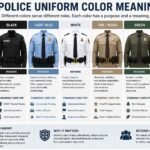
Blue is the single most recognizable color in law enforcement worldwide. From the NYPD's deep navy to the LAPD's classic mid-blue, police uniforms across countries, climates, and departments consistently return to blue.
But why blue? Why not black, grey, or green?
The answer spans 200 years of history, functional fabric science, psychological research, and practical law enforcement needs.
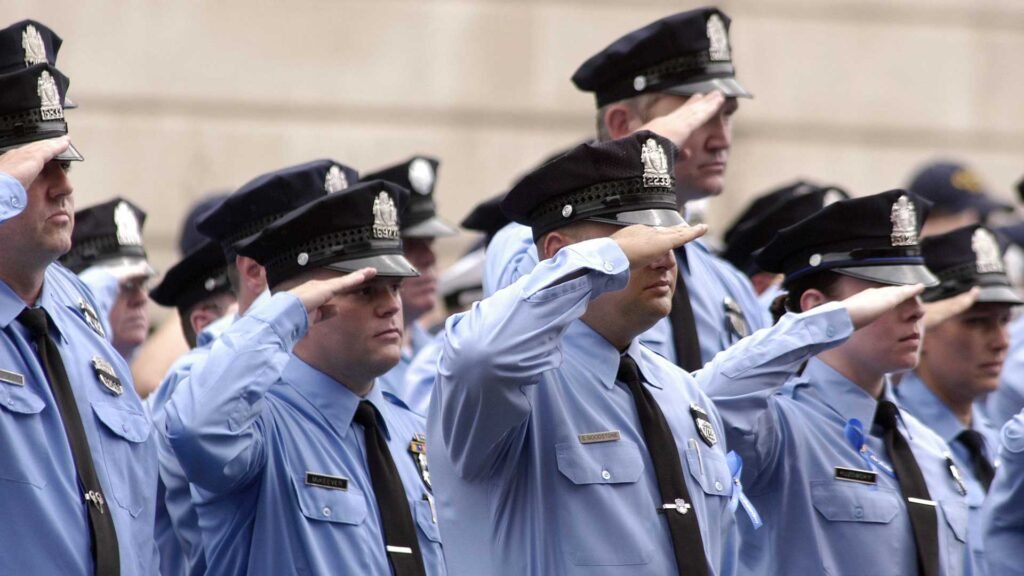
why are police uniforms blue
The History: Where Blue Police Uniforms Started
1829 — The London Metropolitan Police
The modern police uniform traces directly to Sir Robert Peel's Metropolitan Police Act of 1829, which created the first organized civilian police force in London.
Peel's 'Bobbies' wore dark blue tailcoats and top hats. The color choice was deliberate:
- Royal blue was associated with the Crown and authority — but not military red coats
- Blue distinguished police from the British Army (red coats), which was important because the public feared military-style control
- Dark blue showed less dirt than lighter colors in 19th-century London streets — practical for officers walking beats in coal-dust-filled city air
The 1829 model was so successful that police forces worldwide copied it. As British colonial influence spread, so did the blue police uniform.
1870–1900 — American Police Adopt Blue
Early American police departments were disorganized — officers wore whatever they wanted. As cities professionalized, they looked to London's model.
- New York City (1845): 1st organized force, adopted dark blue coats
- Boston, Philadelphia, Chicago followed in navy or dark blue within two decades
- Civil War influence: Post-war surplus military blue uniforms were cheap and available — many departments simply adapted them
By 1900, blue was the default police color in most English-speaking countries.
6 Functional Reasons Police Wear Blue
1. Authority & Psychological Presence
Color psychology plays a real role in police uniform design.
| Color | Psychological Effect | Police Application |
|---|---|---|
| Navy blue / dark blue | Authority, trust, stability, competence | Most common — projects calm authority without aggression |
| Black | Power, intimidation, seriousness | Tactical units (SWAT) — functional for low-light but perceived as aggressive |
| Khaki / brown | Approachable, casual | Park rangers, campus security — less authoritative presence |
| White | Clean, official, but high-maintenance | Some traffic/ceremonial units — impractical for daily patrol |
Studies on color perception in law enforcement contexts show:
- Navy blue is rated highest for trustworthiness and professionalism
- Black is perceived as more intimidating and less approachable
- Lighter blues are rated as more accessible but less authoritative
Blue strikes the balance: authoritative enough to command respect, approachable enough for community policing.
2. Practical Concealment & Dirt Resistance
Police uniforms need to look professional after 12-hour shifts in unpredictable conditions.
- Navy blue hides: Dirt, dust, mud, coffee spills, pen ink, sweat stains, rain spots, and general grime
- Light blue hides less but still better than white or khaki
- Black hides the most — but shows lint, dust, and pet hair prominently
For patrol officers who eat in their cars, chase suspects through yards, and work in all weather, dark blue strikes the best balance between professional appearance and practical durability.
3. Low-Light Performance
Police work happens disproportionately at night:
- Most traffic stops occur in low light
- Domestic calls, disturbance calls, and burglary-in-progress calls peak after dark
- Officers need to be visible to citizens but not glow like targets
| Color | Night Visibility | Officer Safety Consideration |
|---|---|---|
| Navy blue | Low — blends into shadows | Dual-edge: concealment useful for tactical approach but risky near traffic |
| Black | Very low — near invisible at night | Tactically favored; requires hi-vis vest overlay for traffic duty |
| Light blue / white | High — easily spotted at distance | Safer for traffic detail, poor for tactical approach |
| Khaki / tan | Moderate — reflects some ambient light | Good for daylight patrol, poor for night concealment |
Most police departments solve this with hi-vis reflective vests worn over the blue uniform for traffic stops and night visibility, with the option to remove the vest for tactical situations where concealment matters.
4. Heat Absorption: Dark but Not Black
Navy blue absorbs less heat than black, which matters for officers in patrol cars and outdoor details:
| Color | Solar Reflectance (%) | Surface Temp in 35°C Sun |
|---|---|---|
| White | 70–80% | +5–8°C above ambient |
| Khaki | 50–60% | +8–12°C |
| Light blue | 40–50% | +10–15°C |
| Navy blue | 20–30% | +15–20°C |
| Black | 5–10% | +22–28°C |
Black uniforms can reach 55–60°C surface temperature in summer sun — dangerously hot. Navy blue is roughly 5–8°C cooler than black, which makes a real difference for officers in hot climates.
5. Dye Consistency & Color Fastness
This is where fabric science matters for police uniform manufacturing.
Navy blue and dark blue are easier to dye consistently across production runs than lighter colors:
| Dye Property | Navy Blue | Light Blue | Khaki/Tan |
|---|---|---|---|
| Batch-to-batch consistency | ★★★★☆ | ★★★☆☆ | ★★☆☆☆ |
| Lightfastness (UV fade resistance) | ★★★★☆ | ★★★☆☆ | ★★★☆☆ |
| Wash fastness (industrial laundry) | ★★★★★ | ★★★★☆ | ★★★★☆ |
| Saltwater/chlorine fade resistance | ★★★★☆ | ★★★☆☆ | ★★★☆☆ |
| Redyeing/repair matching | ★★★★★ | ★★★☆☆ | ★★★☆☆ |
Dark dyes, particularly vat dyes (indigo) and sulfur dyes for navy/carbon black, have better lightfastness and washfastness than lighter pigment dyes. For departments that order uniforms in multiple batches over years, navy blue is the most practical color for color-matching consistency.
6. Traditional Continuity & Public Recognition
The public associates blue with police. That recognition is valuable:
- Citizens in distress look for a blue uniform
- Witnesses describe 'a cop in blue' as shorthand
- Blue signals 'police presence' before the citizen reads any badge or patch
Changing a department's uniform color requires retraining public recognition — a significant operational cost. Most departments stay with navy blue simply because it works and the public expects it.
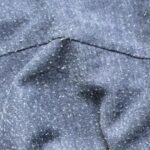
Fabric Technology: What Makes a Police Uniform Blue
Dye Types for Police Uniform Navy Blue
| Dye Type | Used For | Durability | UV Resistance |
|---|---|---|---|
| Vat dyes | 100% cotton, cotton-rich blends | ★★★★★ | ★★★★★ |
| Sulfur dyes | Cotton, poly-cotton blends | ★★★★☆ | ★★★☆☆ |
| Reactive dyes | Cotton, viscose | ★★★★☆ | ★★★★☆ |
| Disperse dyes | Polyester component in TC blends | ★★★★★ | ★★★★☆ |
| Pigment dye | Budget / fashion uniforms | ★★☆☆☆ | ★★☆☆☆ |
Fabric Weights for Police Uniforms
| Garment Type | Recommended Fabric | Weight | Key Requirements |
|---|---|---|---|
| Class A dress shirt | TC 65/35 poplin or twill | 200–240 GSM | Wrinkle-resistant, colorfast, professional drape |
| Patrol shirt | Cotton or CVC twill | 240–300 GSM | Breathable, durable, stain-resistant |
| Class B uniform shirt | TC 65/35 or TR twill | 240–260 GSM | Wrinkle-free, industrial-laundry durable |
| Uniform trousers | Poly-wool blend or TC twill | 280–350 GSM | Crease retention, abrasion resistance, color consistency |
| Duty jacket / outerwear | Nylon-cotton ripstop or FR-treated fabric | 200–280 GSM | Weather resistance, tear strength, mobility |
Color Standardization: The Navy Blue Problem
'Police blue' is not a single color. Different departments specify:
- Dark navy (RGB: ~0-20-60) — Most common, NYPD, Chicago PD
- Classic blue (RGB: ~0-50-120) — LAPD, Texas DPS
- Midnight blue (RGB: ~0-10-40) — Some federal agencies
- French blue (RGB: ~40-80-150) — Some state police
Fabric manufacturers must match these specifications precisely across production runs. The best police uniform suppliers use:
- Pantone color matching for dye formulation
- Spectrophotometer verification across every batch
- AATCC lightfastness testing (minimum Grade 4 after 40 hours)
- AATCC washfastness testing (minimum Grade 4 after 5 industrial washes)
Blue vs. Other Police Uniform Colors — A Comparison
| Aspect | Navy Blue | Black | Khaki/Tan | Light Blue | Grey |
|---|---|---|---|---|---|
| Authority perception | ★★★★☆ | ★★★★★ | ★★☆☆☆ | ★★★☆☆ | ★★★☆☆ |
| Approachability | ★★★☆☆ | ★★☆☆☆ | ★★★★★ | ★★★★☆ | ★★★☆☆ |
| Dirt/stain concealment | ★★★★☆ | ★★★★★ | ★★☆☆☆ | ★★☆☆☆ | ★★★☆☆ |
| Night concealment | ★★★★☆ | ★★★★★ | ★☆☆☆☆ | ★☆☆☆☆ | ★★☆☆☆ |
| Traffic safety visibility | ★☆☆☆☆ | ★☆☆☆☆ | ★★☆☆☆ | ★★★☆☆ | ★★☆☆☆ |
| Heat absorption | ★★☆☆☆ | ★☆☆☆☆ | ★★★★☆ | ★★★★☆ | ★★★☆☆ |
| Dye consistency | ★★★★★ | ★★★★★ | ★★★☆☆ | ★★★☆☆ | ★★★★☆ |
| Public recognition | ★★★★★ | ★★★☆☆ | ★★☆☆☆ | ★★★☆☆ | ★★☆☆☆ |
| Industrial laundry durability | ★★★★★ | ★★★★★ | ★★★☆☆ | ★★★☆☆ | ★★★★☆ |
Modern Trends: Is Blue Still the Standard?
Black is Gaining
Since the 1990s, many US police departments have switched from traditional navy blue to black or charcoal grey uniforms — driven by:
- Tactical aesthetics (influenced by SWAT and military-style gear)
- Better nighttime concealment for proactive patrol
- Modern 'professional' look preferred by younger officers
Departments that switched: LAPD (tactical units), Dallas PD, Atlanta PD, Phoenix PD, and many suburban departments.
But Blue Remains Dominant
Despite the black trend, navy blue remains the standard for the majority of US and international police forces:
- NYPD — dark navy
- Chicago PD — navy blue
- London Met — dark blue (transitioning to modern fabric but keeping color)
- Australian Federal Police — navy blue
- RCMP — dark blue (ceremonial red serge, daily navy)
- Japanese police — dark blue
- Most European national police — dark blue
What's Actually Changing Is the Fabric, Not the Color
The bigger shift in police uniforms is fabric technology, not color:
| Old Fabric (1980s–2000s) | New Fabric (2015–2025) |
|---|---|
| 100% wool serge (hot, heavy, expensive) | Poly-wool blends (cooler, more durable, affordable) |
| 100% cotton (wrinkles, shrinks, fades) | TC 65/35 or CVC (wrinkle-free, industrial laundry safe) |
| Stiff polyester double-knit (traps heat, shiny) | TR (polyester-viscose) twill (matte finish, breathable, stretch) |
| Thin cotton poplin dress shirts | Performance woven shirts with stretch, moisture-wicking, stain resistance |
| No FR requirement (except special units) | NFPA 1994 compliant fabrics for active shooter/chemical exposure |
What Police Uniform Buyers Need to Know About Blue Fabric
If you're sourcing police uniform fabric or finished uniforms, here are the critical specifications:
Color Specifications
- Pantone reference: Most departments provide Pantone TPX or TCX numbers
- Delta E: Fabric should be within ΔE ≤ 1.0 of target color
- Metamerism: Color must match under natural, fluorescent, and LED lighting (common issue with cheap dyes)
- Lot tracking: In-production fabric must be held to single-dye-lot uniforms when possible — post-production color matching is unreliable
Performance Requirements
| Test | Standard | Police Uniform Requirement |
|---|---|---|
| Lightfastness | AATCC 16 | Grade 4 minimum after 40 hours |
| Washfastness | AATCC 61 | Grade 4 after 5 industrial washes |
| Color change after 50 washes | Visual color card check | No more than 1 step change |
| Crocking (color rub-off) | AATCC 8 | Dry: Grade 4, Wet: Grade 3 |
| Tear strength | ASTM D1424 | Minimum 2.5 lbs warp, 2.0 lbs fill |
| Abrasion resistance | ASTM D4966 | Minimum 20,000 cycles (twill trousers) |
About Xingye Textile — Police Uniform Fabric Manufacturer
XINGYE TEXTILE supplies police uniform fabric to uniform manufacturers, government procurement agencies, and law enforcement apparel brands in 50+ countries. With 30 years of fabric manufacturing experience, we understand the specific color, durability, and performance requirements of police uniforms.
Our police uniform fabric range:
| Fabric | Composition | Weight | Best For |
|---|---|---|---|
| TC 65/35 Twill | Polyester-cotton | 240–260 GSM | Class B uniform shirts, trousers — wrinkle-free, industrial laundry safe |
| CVC 60/40 Twill | Cotton-polyester | 260–300 GSM | Patrol shirts — more cotton for breathability, still wrinkle-resistant |
| TR Twill (Polyester-Viscose) | Polyester-viscose | 250–320 GSM | Dress uniforms — matte finish, professional drape, minimal pilling |
| 100% Cotton Twill | Cotton | 300–400 GSM | Tactical uniforms, heavy-duty patrol trousers |
| Nylon-Cotton Ripstop | Nylon-cotton | 200–280 GSM | Duty jackets, outerwear, tactical pants |
| FR Cotton / Cotton-Nylon | FR treated | 280–360 GSM | Special response, tactical entry uniforms — NFPA compliant |
| Poly-Wool Blend | Polyester-wool | 260–320 GSM | Class A dress uniforms — crease retention, premium finish |
Our capabilities:
- ✅ Pantone color matching with spectrophotometer verification
- ✅ AATCC lightfastness, washfastness, and crocking testing
- ✅ Single-dye-lot production for uniform consistency
- ✅ OEM/ODM — your specifications, our production
- ✅ Finished garment manufacturing — fabric to finished uniform
- ✅ Global shipping to uniform manufacturers and government buyers
Need police uniform fabric for a bid or uniform program? [Contact us] for spec sheets, samples, and bulk pricing.