A uniform is a standardized type of clothing worn by members of the same organization, company, school, or profession. In clothing and business environments, uniforms are used to create a consistent appearance, represent a brand or role, improve professionalism, and sometimes provide safety or functional benefits.
Uniforms are commonly worn in industries such as healthcare, hospitality, manufacturing, construction, education, security, and food service. Depending on the industry, uniforms may focus on comfort, durability, safety, or brand identity.
In this article, we’ll explain the meaning of uniform, why uniforms are important, how they are used in different industries, and what makes a good uniform.
What Is the Meaning of Uniform
What Is the Meaning of Uniform?
The word “uniform” refers to clothing that is the same in style, color, or design and is worn by a group of people for a specific purpose.
In business and workplace settings, uniforms help:
- Identify employees or members
- Create a professional image
- Build brand consistency
- Improve workplace organization
- Support safety and functionality
For example:
- Nurses wear medical scrubs
- Hotel staff wear hospitality uniforms
- Factory workers wear industrial workwear
- Security teams wear security uniforms
- Students wear school uniforms
Although uniform styles differ across industries, their purpose is usually to create a unified and recognizable appearance.
Why Are Uniforms Important?
Uniforms are important for both practical and professional reasons.
Professional Appearance
Uniforms help businesses present a more organized and professional image.
When employees wear matching uniforms:
- Customers can identify staff more easily
- Businesses appear more reliable
- Teams look more coordinated
Professional appearance is especially important in customer-facing industries such as hospitality, retail, and healthcare.
Brand Identity
Many companies use uniforms as part of their branding strategy.
Customized uniforms may include:
- Company logos
- Brand colors
- Embroidery
- Printed graphics
Consistent uniforms can improve brand recognition and create a stronger impression on customers.
Workplace Safety
In some industries, uniforms also provide important safety protection.
For example:
- Construction workers may wear reflective clothing
- Industrial workers may require flame-resistant fabrics
- Manufacturing uniforms may use anti-static materials
In these environments, uniforms are designed not only for appearance but also for employee safety.
Team Unity
Uniforms can help create a stronger sense of teamwork and belonging.
When employees wear similar clothing, it often promotes:
- Team identity
- Workplace equality
- Better organization
- Professional discipline
This is one reason uniforms are widely used in schools and large organizations.
Common Industries That Use Uniforms
Uniforms are used across many industries around the world.
Healthcare Uniforms
Healthcare workers commonly wear scrubs and medical uniforms.
These uniforms are usually designed for:
- Comfort
- Breathability
- Easy cleaning
- Durability
Polyester-cotton fabrics are commonly used because they combine comfort with easy maintenance.
Hospitality Uniforms
Hotels, restaurants, and resorts often require uniforms to maintain a professional image.
Hospitality uniforms may include:
- Front desk uniforms
- Housekeeping uniforms
- Restaurant staff uniforms
- Chef uniforms
Appearance and comfort are both important in hospitality environments.
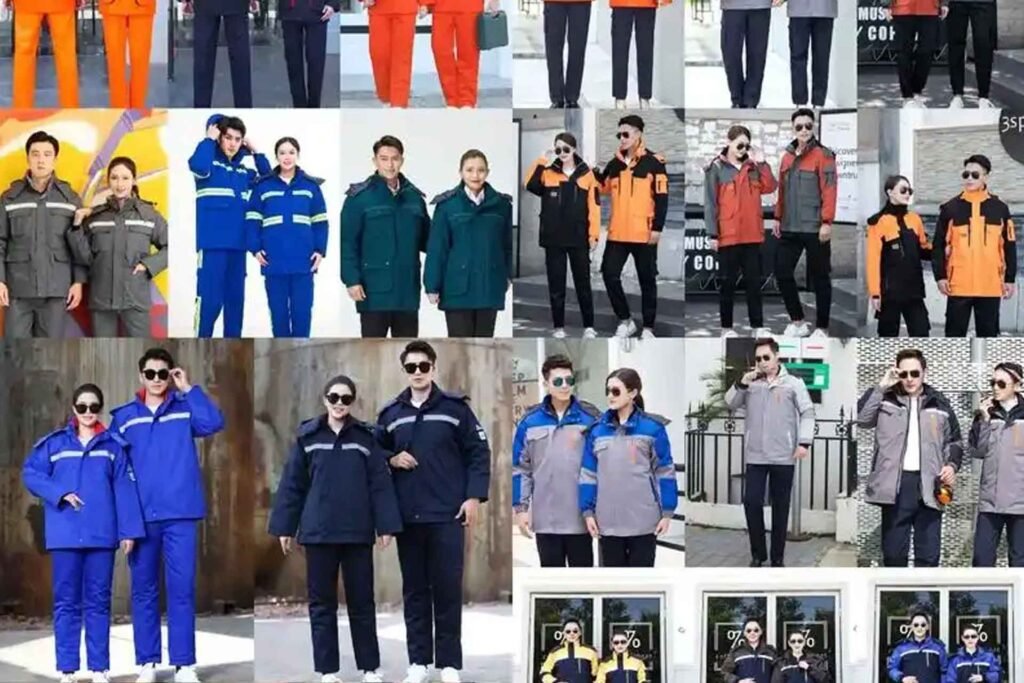
Industrial Workwear
Industrial uniforms are designed for demanding working conditions.
These uniforms may include:
- Durable fabrics
- Reinforced stitching
- Reflective tape
- Flame-resistant materials
Safety and durability are key priorities for industrial workwear.
Security Uniforms
Security uniforms help staff appear recognizable and professional.
These uniforms are often designed to provide:
- Practical functionality
- Professional appearance
- Durability
- Weather resistance
Many security garments also include multiple utility pockets and strong fabric construction.
School Uniforms
School uniforms are widely used in educational institutions.
Schools often use uniforms to:
- Promote discipline
- Create equality
- Reduce clothing competition
- Build school identity
Durability and comfort are especially important for student uniforms.
What Is the Difference Between Uniforms and Regular Clothing?
The main difference is purpose.
Regular clothing is usually chosen for personal style or casual use, while uniforms are designed for a specific organization, profession, or workplace function.
Uniforms are typically created to provide:
- Consistent appearance
- Practical performance
- Brand representation
- Workplace functionality
For example, chef uniforms are designed differently from office uniforms because the working environments are completely different.
What Makes a Good Uniform?
A good uniform should combine comfort, durability, functionality, and professional appearance.
Several factors are especially important.
Comfortable Fabric
Employees often wear uniforms for long working hours, so comfort is essential.
Good uniform fabrics should provide:
- Breathability
- Softness
- Flexibility
- Easy maintenance
Different industries require different fabric performance depending on the working environment.
Durability
Uniforms must withstand:
- Frequent washing
- Daily wear
- Physical movement
- Long-term use
Strong stitching and high-quality fabrics help reduce replacement costs over time.
Functional Design
Different jobs require different garment features.
For example:
- Chef uniforms need heat resistance
- Industrial workwear requires durability
- Medical uniforms need flexibility and comfort
Functional uniforms improve employee performance and comfort during work.
Professional Branding
Uniforms should also reflect the company’s image and professionalism.
Customized uniforms with consistent branding can help businesses appear more organized and trustworthy.
Why Businesses Invest in Custom Uniforms
Many companies choose custom uniforms instead of generic ready-made clothing.
Custom uniforms help businesses:
- Strengthen brand identity
- Improve employee recognition
- Create consistent appearance
- Match specific workplace requirements
Businesses often customize:
- Logos
- Colors
- Fabrics
- Garment styles
- Functional features
For growing companies, customized uniforms can become an important part of brand presentation and workplace management.
Frequently Asked Questions
What is the meaning of uniform in business?
In business, a uniform is standardized clothing worn by employees to create a professional appearance, represent a company brand, and improve identification and consistency.
Why do companies use uniforms?
Companies use uniforms to improve professionalism, strengthen branding, support teamwork, and sometimes provide workplace safety.
What industries use uniforms?
Many industries use uniforms, including healthcare, hospitality, construction, manufacturing, security, education, and food service.
What is the difference between a uniform and a dress code?
A dress code provides general clothing guidelines, while a uniform requires employees or members to wear specific standardized garments.
What fabrics are commonly used for uniforms?
Common uniform fabrics include polyester, cotton, polyester-cotton blends, and specialized performance fabrics such as anti-static or flame-resistant materials.
Final Thoughts
Uniforms are much more than matching clothing. They help businesses create professional identity, improve workplace organization, strengthen branding, and support employee performance across different industries.
From healthcare and hospitality to industrial workwear and school apparel, uniforms continue to play an important role in modern business and organizational environments.
For businesses developing professional uniforms, choosing the right fabric, design, and manufacturing partner can make a significant difference in comfort, durability, functionality, and long-term brand presentation.