When it comes to pilot shirts, the fabric choice is far more than a matter of aesthetics. It directly impacts comfort, safety, and professional appearance — all critical factors for pilots who spend long hours in demanding environments. Whether you’re a commercial pilot, military aviator, or flight instructor, understanding the best fabric for pilot shirts can enhance your performance and ensure you look sharp from takeoff to landing.
In this article, we’ll explore the top materials used in pilot shirts, their benefits and drawbacks, and how modern fabric technology is revolutionizing pilot uniforms. Leveraging insights from industry research and leading manufacturers, we’ll help you make an informed decision for your next pilot shirt.

Best Fabric for Pilot Shirts
Why Fabric Choice Matters in Pilot Shirts
Pilots operate in unique conditions that require uniforms to balance thermal regulation, mobility, durability, and fire safety. The cockpit environment fluctuates between hot and cold, and pilots must maintain a professional look despite long duty cycles and physical movement constraints.
A well-chosen fabric will:
- Resist wrinkling for a crisp, professional appearance.
- Manage moisture to keep the pilot dry and comfortable.
- Offer flame resistance to enhance safety.
- Provide stretch and ergonomic fit for unrestricted movement.
- Withstand frequent washing without losing durability.
Top Fabrics Used in Pilot Shirts: Features, Pros, and Cons
1. Cotton
Cotton remains a classic choice for pilot shirts due to its natural softness and breathability.
Pros:
- Hypoallergenic and gentle on the skin.
- Superior comfort for long wear.
- Premium appearance with a natural sheen.
- Durable with proper care.
Cons:
- Prone to wrinkling, requiring frequent ironing.
- Retains moisture, which can cause discomfort during long flights.
- May shrink if not cared for properly.
Cotton’s natural feel makes it a favorite, especially in environments where breathability is paramount. However, its maintenance demands can be a drawback for busy pilots.
2. Polyester
Polyester is widely used in aviation uniforms for its durability and low maintenance.
Pros:
- Highly wrinkle-resistant.
- Durable and strong, resisting wear and tear.
- Retains color well over time.
- Quick drying and stain-resistant.
Cons:
- Lower breathability compared to natural fibers.
- Can feel hot or sweaty if low-quality polyester is used.
Modern polyester blends have improved breathability, making them more comfortable than earlier versions. Its wrinkle-free nature is a significant advantage for pilots who need to maintain a sharp look with minimal effort.
3. Wool (Merino Wool)
Merino wool offers advanced natural performance, especially in temperature regulation.
Pros:
- Excellent insulation in both hot and cold climates.
- Natural odor resistance due to antibacterial properties.
- Can be worn multiple times before washing.
Cons:
- Requires careful maintenance to avoid shrinkage.
- Sensitive to heat and harsh detergents.
While wool is less common for pilot shirts, it is sometimes used in base layers or specialty garments where temperature control is critical.
4. Fabric Blends (Cotton/Polyester/Spandex)
Blended fabrics combine the strengths of different fibers to optimize performance.
- Cotton/Polyester blends reduce wrinkling and shrinkage while maintaining comfort.
- Spandex (4-8%) adds stretch for mobility and crease recovery.
For example, JetSeam offers popular blends such as:
- White Label: 58% polyester / 32% cotton / 10% spandex (4-way stretch, breathable, wrinkle-resistant).
- Gold Label: 57% cotton / 38% polyester / 5% spandex (2-way stretch, breathable, easy care).
- Silver Label: 92% polyester / 8% spandex (high durability, wrinkle-free).
These blends provide the best balance between comfort, durability, and professional appearance.
Specialty Fibers in Pilot Shirts: Enhancing Safety and Performance
Military and specialized aviation uniforms often incorporate specialty fibers such as Nomex and Kevlar for enhanced protection.
- Nomex: A meta-aramid fiber known for exceptional flame resistance and thermal stability. It self-extinguishes when exposed to fire, providing critical seconds of protection.
- Kevlar: A para-aramid fiber recognized for its tensile strength and abrasion resistance. It withstands high temperatures and adds durability to pilot gear.
These fibers are lightweight, breathable, and engineered to meet stringent safety standards, making them ideal for flight suits and high-risk environments.
Ergonomic and Functional Design Considerations
Beyond fabric selection, modern pilot shirts focus on ergonomic design to maximize mobility and comfort:
- Stretch panels and articulated joints enable unrestricted movement.
- Moisture-wicking properties keep pilots dry.
- Reinforced stitching and padding improve durability and reduce heat stress.
- Adjustable collars and cuffs prevent irritation.
- Strategic pocket placement for tools and equipment.
These features ensure that pilot shirts support the demanding physical and operational needs of aviation professionals.
How to Choose the Best Fabric for Pilot Shirts: Key Factors
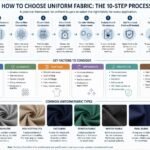
When selecting the ideal pilot shirt fabric, consider the following:
| Factor | What to Look For |
|---|---|
| Comfort | Breathable, moisture-wicking, soft to skin |
| Durability | Resistant to wear, tear, and frequent washing |
| Wrinkle Resistance | Minimizes ironing, maintains professional look |
| Safety | Flame-resistant or treated for fire protection |
| Mobility | Stretch blends or ergonomic design for movement |
| Maintenance | Easy to wash, quick drying, colorfast |
| Climate Suitability | Lightweight for warm climates, insulating for cold |
Future Trends in Pilot Shirt Fabrics
The aviation industry is embracing smart textiles and nanotechnology to create next-generation pilot uniforms featuring:
- Integrated sensors for real-time biometric monitoring.
- Adaptive temperature control fabrics that regulate heat dynamically.
- Graphene-infused textiles for enhanced strength and conductivity.
- Self-cleaning and water-resistant coatings for easy maintenance.
- Sustainable fibers made from biodegradable or recycled materials.
These innovations promise to elevate pilot comfort, safety, and operational efficiency.
Conclusion: Selecting the Best Fabric for Pilot Shirts
Choosing the best fabric for pilot shirts requires balancing comfort, durability, safety, and professional appearance. Cotton offers natural breathability but demands maintenance, while polyester provides resilience and low upkeep. Blended fabrics with spandex deliver stretch and wrinkle resistance, making them a popular choice among modern pilots.
For military and specialized aviation, aramid fibers like Nomex and Kevlar provide vital flame resistance and durability. Ergonomic designs further enhance mobility and comfort, ensuring pilots can perform at their best.
As technology advances, smart textiles and sustainable fibers will shape the future of pilot shirts, making them more adaptive, safer, and environmentally responsible.
Ready to Upgrade Your Pilot Shirt?
Invest in pilot shirts made from high-performance fabric blends that prioritize your comfort and safety. Whether you prefer the natural feel of cotton, the durability of polyester, or the cutting-edge protection of specialty fibers, choosing the right fabric will keep you looking sharp and feeling confident on every flight.
Explore our curated selection of pilot shirts today and experience the difference that intentional fabric choice makes!