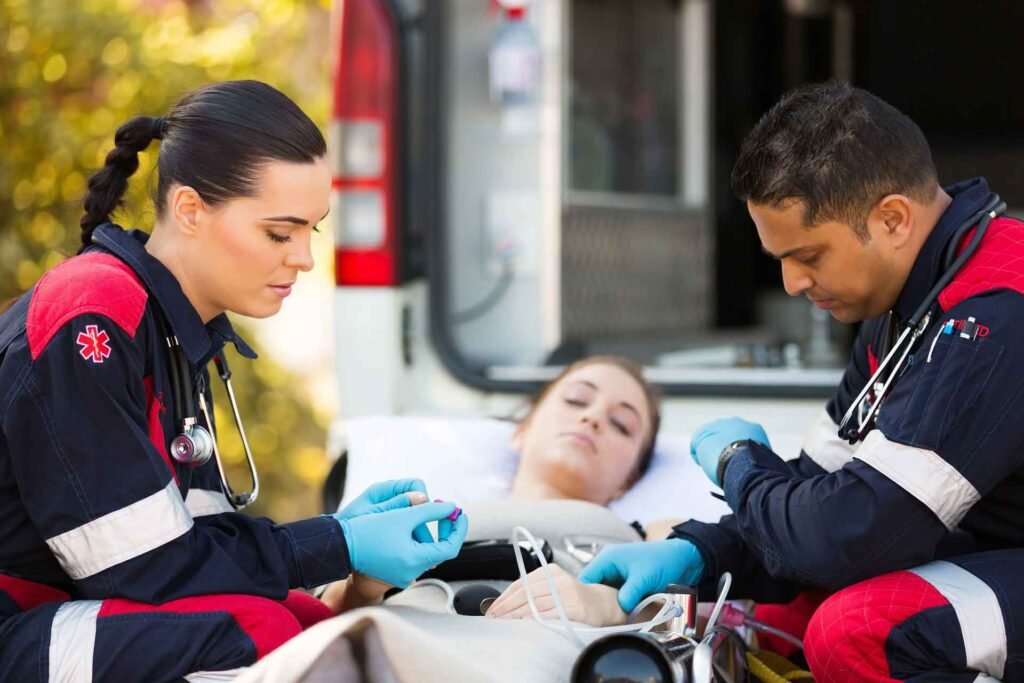
When you see a paramedic rushing to an emergency scene, their uniform is more than just a badge of professionalism—it’s a carefully designed system built for safety, functionality, and rapid response. Have you ever wondered, what do paramedics wear and why their attire looks the way it does? From high-visibility fabrics to flame-resistant layers and essential personal protective equipment (PPE), every piece of a paramedic’s uniform serves a critical purpose. This article delves into the comprehensive details of paramedic workwear, highlighting its importance in ensuring these lifesaving professionals can perform their duties effectively and safely.
What Do Paramedics Wear
Why Do Paramedics Wear Uniforms?
Paramedic uniforms are much more than clothing. They serve several vital purposes:
- Identification: Uniforms help the public and other emergency responders quickly recognize paramedics in chaotic or high-stress situations.
- Safety: Features like reflective strips and bright colors improve visibility to reduce accidents, especially at night or roadside emergencies.
- Professionalism: Wearing a uniform projects competence and instills confidence in patients and families during emergencies.
- Functionality: Designed with multiple pockets and durable fabrics, uniforms support the practical needs of paramedics on the job.
Core Components of Paramedic Workwear
Understanding what do paramedics wear involves exploring the key elements of their attire. According to top sources, including EMS uniform suppliers and emergency service agencies, paramedic uniforms typically include the following:
1. Uniform Shirts and Pants
- Colors: Most paramedics wear dark blue, navy, or black pants paired with matching or contrasting shirts. Some agencies use high-visibility colors such as neon yellow, green, or orange with reflective stripes for enhanced visibility.
- Material: Uniforms are made from durable, breathable, and moisture-wicking fabrics like polyester-cotton blends. These materials help paramedics stay comfortable during long shifts and withstand wear and tear.
- Design: Cargo or tactical pants with multiple pockets allow paramedics to carry essential tools such as gloves, bandages, and communication devices.
2. Footwear
- Types: Paramedics typically wear sturdy, supportive boots or shoes with ankle protection and slip-resistant soles. Waterproof and easy-to-clean footwear is preferred for working in various environments.
- Purpose: Proper footwear ensures safety when navigating uneven or wet terrain and provides comfort for long hours on their feet.
3. Outerwear
- Jackets and Vests: Paramedics often wear insulated, waterproof jackets or high-visibility vests with reflective strips. These outer layers protect against cold, rain, and low-light conditions.
- Flame-Resistant Gear: In some regions, flame-resistant (FR) uniforms or outerwear are mandatory to protect paramedics from fire hazards.
4. Personal Protective Equipment (PPE)
- Gloves: Disposable, latex-free, and puncture-resistant gloves protect paramedics from contaminants.
- Masks and Eye Protection: Surgical masks, N95 respirators, goggles, and face shields guard against airborne pathogens and bodily fluids.
- Additional Gear: Depending on the situation, paramedics may also wear gowns or body armor for extra protection.
5. Accessories
- Belts and Harnesses: Sturdy belts or chest harnesses carry radios, trauma shears, flashlights, and other essential tools.
- Badges and Patches: Uniforms display name tags, certification levels, and agency logos for identification and authority.
- Other: Hats, caps, and reflective armbands improve comfort and visibility.
Design Features That Enhance Paramedic Uniforms
- High-Visibility Elements: Reflective strips and bright colors make paramedics visible in low-light or hazardous environments.
- Durable Fabrics: Ripstop and stain-resistant materials ensure longevity and ease of cleaning after exposure to bodily fluids or rough conditions.
- Moisture-Wicking and Breathability: Fabrics that manage sweat help maintain comfort during physically demanding tasks.
- Ergonomic Fit: Adjustable waistbands, articulated joints, and stretch panels allow ease of movement necessary for lifting patients and performing medical procedures.
- Modular Components: Some uniforms feature detachable sleeves, vests, or pockets to customize gear based on weather or task requirements.
Regional and Organizational Variations
- Urban Fire Department Paramedics: Often wear dark blue or black uniforms with fire department patches and heavier outerwear.
- Rural Ambulance Services: May use high-visibility green uniforms with lightweight fabrics and extra pockets.
- Private EMS Providers: Uniform colors and styles vary, often featuring company logos and dress shirts.
- Climate Adaptations: In colder regions, paramedics have insulated outerwear and thermal layers, while warmer climates favor lightweight, breathable fabrics.
Frequently Asked Questions (FAQs)
Q: Are paramedic uniforms standardized worldwide?
A: No, uniforms vary by region, agency, and climate, but all prioritize safety, identification, and functionality.
Q: What kind of footwear do paramedics typically wear?
A: Paramedics wear sturdy, slip-resistant boots or shoes with ankle support to protect against hazards and provide comfort during long shifts.
Q: How often should paramedics replace their uniforms?
A: Uniforms should be replaced when they become worn, damaged, or no longer provide necessary comfort and protection. Regular maintenance and cleaning can extend their lifespan.
Conclusion
So, what do paramedics wear? Their uniforms are thoughtfully designed to combine safety, functionality, and professionalism. From high-visibility shirts and durable cargo pants to protective boots and essential PPE, every element supports paramedics in delivering critical care efficiently and safely. Understanding the components and purpose of paramedic workwear helps us appreciate the challenges these emergency responders face and the importance of their gear.
f you’re involved in EMS or looking to support first responders, consider the significance of proper uniforms and equipment. Share this guide to spread awareness about the vital role paramedic attire plays in saving lives. For those interested in upgrading or customizing paramedic uniforms, partnering with specialized manufacturers ensures that safety and performance standards are met.