CHEF-240-AM — Chef Coat Twill 240gsm with Antimicrobial + Stain-Release Finish
CHEF-240-AM is a heavy-duty twill fabric treated with a combined silver ion antimicrobial and stain-release finish — purpose-engineered for chef coats, kitchen uniforms, and food service apparel that face three daily challenges: oil and grease stains, bacterial growth in hot humid environments, and frequent high-temperature industrial laundering.
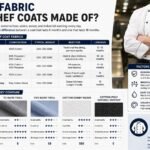
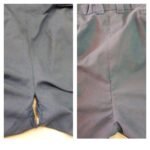
The Twill 3/1 construction at 240 GSM provides the weight, strength, and abrasion resistance that kitchen uniforms demand. Chef coats are the most stressed uniform garment in any program — rubbing against counter edges, absorbing steam and grease, and undergoing daily 60–75°C industrial washing. Standard 190gsm fabrics break down within 6 months in this environment. This fabric lasts.
Kitchen environments are unique in that heat, moisture, and organic matter (oil, food residue) are present simultaneously — the ideal conditions for bacterial growth. A kitchen uniform that is stained is also a kitchen uniform that is breeding bacteria.
These two finishes solve different problems, but they work best together:
Problem
Stain-Release Solution
Antimicrobial Solution
Oil/grease stains
Repels oil at the fiber surface — washes out clean
—
Food residue bacteria
—
Suppresses bacterial growth in stain areas
Odor in hot kitchen
—
Eliminates odor-causing bacteria on contact
Frequent hot washing
Prevents stain setting through wash cycles
Survives 50+ wash cycles
A chef coat with stain-release alone still harbors bacteria in the small amount of residue that remains. A chef coat with antimicrobial alone still shows oil stains that look unprofessional. Together, they deliver a fabric that stays clean and hygienic.
Fabric Hand & Appearance
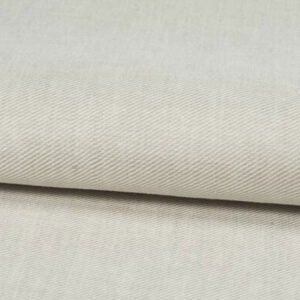
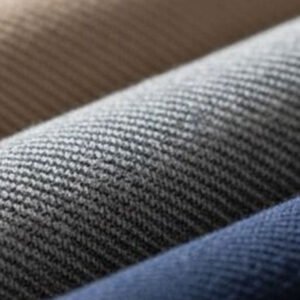
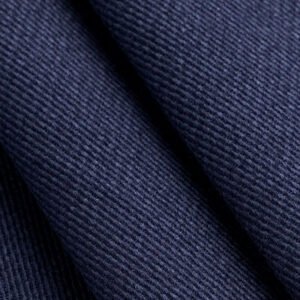
Hand feel: Sturdy, substantial, with a dry finish. The Twill 3/1 weave has a smoother surface and higher abrasion resistance than standard Twill 2/1. The fabric is dense enough to provide a barrier against kitchen splatter while remaining breathable for 10-hour shifts over a hot stove.
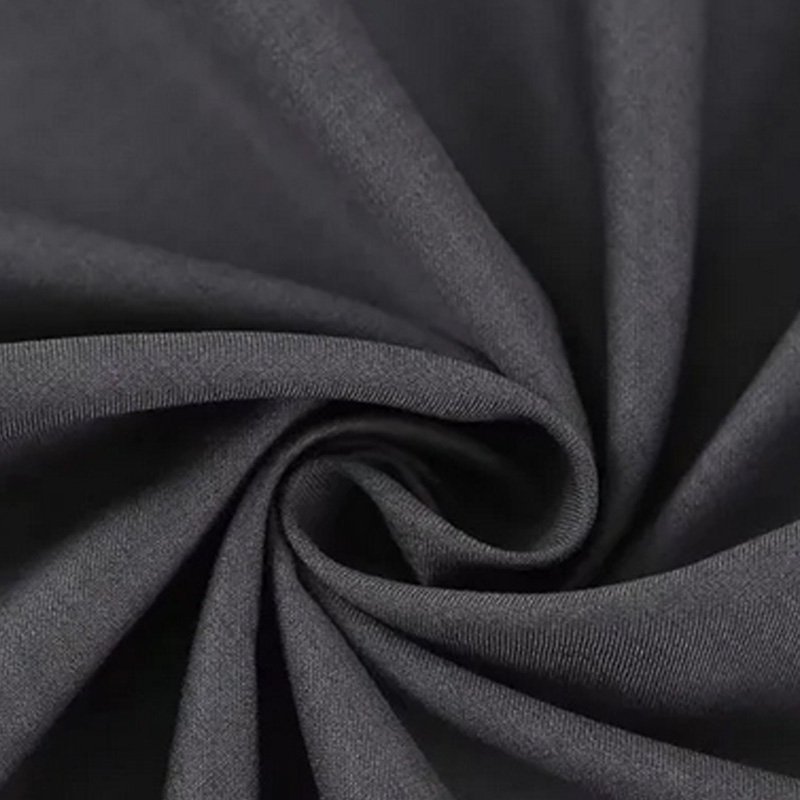
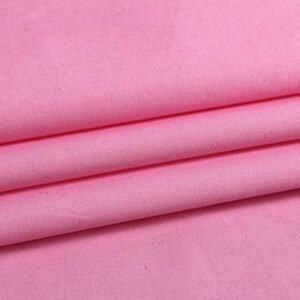
Appearance: Clean, tight twill surface. Available in White (standard chef coat), Black (kitchen management, sous), and classic Check patterns (traditional chef aesthetic, also available in bistro stripe).
Drape: Structured — the 240gsm weight gives chef coats their characteristic substantial silhouette. Does not cling or sag.
Applications
Application
Why This Fabric Works
Chef coats (executive, sous, line cook)
Heavyweight twill withstands kitchen abuse — Twill 3/1 resists abrasion at counters and elbows
Kitchen staff uniforms (cooks, prep)
Stain-release keeps whites white through greasy service
ISO 6330 — antimicrobial efficacy at 10, 30, and 50 cycles
Stain-Release Test Report
AATCC 130 — oil stain release rating at 5, 15, and 30 cycles
Material Safety Data Sheet (MSDS)
For antimicrobial + stain-release chemicals
OEKO-TEX Standard 100
Available upon request
REACH Compliance Statement
EU chemical safety
Food Contact Compliance (EU 1935/2004)
Available for direct food contact applications
Care Instructions
Care Step
Instruction
Washing
Machine wash 75°C, normal cycle — industrial wash compatible
Bleaching
Chlorine bleach compatible — use as needed to restore white brightness
Drying
Tumble dry high — heavy twill benefits from high heat to restore structure
Ironing
High iron (200°C), steam — chef coats require crisp pressing for professional appearance
Dry cleaning
Permitted — stain-release is solvent-stable
Pre-treatment
Spray pre-treat heavy oil/grease stains directly before washing for best results
✅ Care note for chef whites: The stain-release finish is optimized for industrial laundry. For best results on heavy grease stains, pre-treat with a degreasing spray or rub neat detergent into the stain before washing. The antimicrobial treatment is chlorine-stable — bleach can be used freely without degrading efficacy.
FAQ
Q: Will the stain-release finish prevent all stains on white chef coats? A: No finish can prevent 100% of stains. The stain-release finish causes oil and grease to release from the fiber during washing instead of bonding to it. Heavy or baked-on stains may still leave a residual shadow after the first wash, but they will continue to fade with each subsequent wash rather than setting permanently. This typically extends the bright-white appearance of a chef coat by 3–4 months compared to untreated fabric.
Q: How does Twill 3/1 compare to Twill 2/1 for chef coats? A: Twill 3/1 has a longer weave float — the yarn passes over 3 weft threads and under 1. This creates a smoother surface with higher abrasion resistance (30,000+ Martindale cycles vs. ~20,000 for 2/1). For chef coats that rub against counter edges and equipment all day, this translates to significantly longer garment life.
Q: Can I get this fabric with a check pattern AND the antimicrobial + stain-release treatment? A: Yes. The check pattern is woven into the fabric (yarn-dyed), and the antimicrobial + stain-release finishes are applied in the finishing stage after weaving. The pattern does not affect finish application. Minimum 1000m per check design.
Q: What is the most popular option for chef coat programs? A: White — accounts for approximately 80% of all chef coat fabric orders. The most common specification is White + antimicrobial + stain-release. Black follows for kitchen management. Check patterns are typically ordered by fine dining establishments where traditional appearance matters.
Q: Is the stain-release finish PFOA/PFOS free? A: Yes. We use a fluorochemical-free (C6-free) stain-release chemistry that meets current EU and US regulatory requirements for food-contact textiles. No PFOA, PFOS, or long-chain fluorocarbons are used.
Q: Does the antimicrobial treatment help with body odor in hot kitchens? A: Yes. Kitchen environments are hot, humid, and physically demanding. The silver ion antimicrobial suppresses the growth of odor-causing bacteria (Micrococcus, Corynebacterium) that thrive in sweat-soaked fabric. Combined with the heavyweight twill construction, this fabric stays fresher through a double service shift than standard PC chef coat materials.






Reviews
There are no reviews yet.