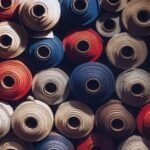
If you've ever sourced uniforms, you've seen the label: 'CVC 60/40.' It appears on chef coats, premium scrubs, work shirts, and school uniforms. It costs a little more than standard poly cotton. And every buyer who chooses it says the same thing: the uniforms feel better.
CVC — Chief Value Cotton — is the cotton-rich branch of the poly cotton family. Where standard poly cotton (TC 65/35) puts polyester in charge, CVC puts cotton in charge. That one difference changes how the fabric feels, breathes, wears, and fades.
This guide explains what CVC fabric is, how it differs from TC poly cotton, what it's best for, and how to tell a good CVC from a cheap one.
What Does CVC Mean?
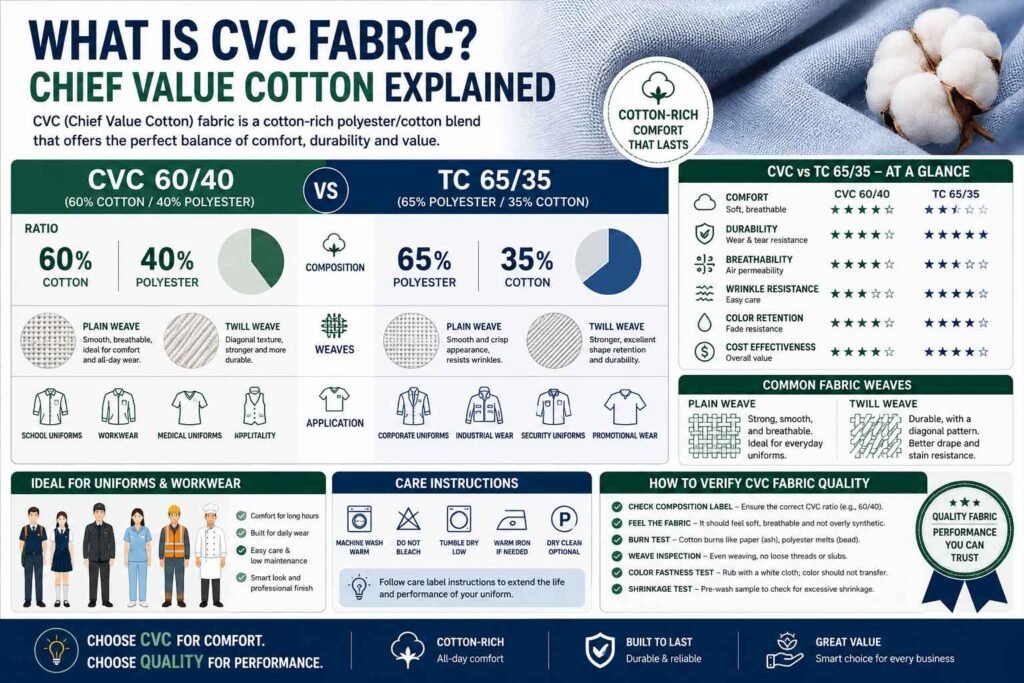
CVC stands for Chief Value Cotton — a fabric blend where cotton is the majority fiber (more than 50%).
| Term | Meaning | Typical Ratios |
|---|---|---|
| CVC | Chief Value Cotton — cotton content > 50% | CVC 60/40 (60% cotton / 40% polyester), CVC 55/45, CVC 65/35 |
| TC | Terylene Cotton — polyester content > 50% | TC 65/35 (65% polyester / 35% cotton), TC 50/50 |
The 'chief value' logic: In a cotton-rich blend, cotton is the 'main' (chief) fiber and drives the fabric's character — its value comes from the cotton, not the polyester.
CVC vs. TC: The Two Branches of Poly Cotton
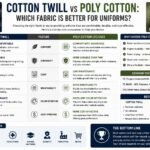
| Property | CVC 60/40 (Cotton-Rich) | TC 65/35 (Poly-Dominant) |
|---|---|---|
| Cotton content | 60% | 35% |
| Feel | Soft, natural, cotton-like | Smoother, slightly synthetic |
| Breathability | ★★★★☆ | ★★★☆☆ |
| Comfort (long shifts) | ★★★★★ | ★★★☆☆ |
| Durability | ★★★★☆ | ★★★★★ |
| Industrial laundry life | ★★★☆☆ (shorter than TC) | ★★★★★ |
| Wrinkle resistance | ★★★★☆ | ★★★★★ |
| Shrinkage control | ★★★★☆ | ★★★★★ |
| Color richness | ★★★★☆ (deep, natural) | ★★★☆☆ |
| Cost | $$ | $ |
| Skin friendliness | ★★★★★ | ★★★☆☆ |
The tradeoff in one sentence: CVC gives you most of cotton's comfort with most of polyester's durability — in exchange for a higher price and a slightly shorter industrial laundry life than TC.
Why Choose CVC? The Real Reasons
1. It Feels Like Cotton — Because It Mostly Is
A 60% cotton blend drapes, breathes, and feels dramatically different from a 35% cotton blend. For staff who wear uniforms 10–12 hours a day — chefs, nurses, hospitality workers — this is not a luxury. It's the difference between a uniform that disappears on the body and one you notice all shift.
2. Better Breathability for Hot Environments
CVC's higher cotton content absorbs and releases moisture better than poly-dominant fabric. In hot kitchens, warm climates, and high-activity roles, CVC keeps the wearer noticeably cooler and drier.
3. Still Wrinkle-Resistant
The 40% polyester in CVC 60/40 is enough to deliver strong wrinkle resistance and easy care — you don't lose the convenience that made poly cotton popular in the first place.
4. Rich, Natural Color
Cotton-rich fabric takes dye differently — colors look deeper and more natural than on poly-dominant fabric. For premium uniforms where appearance matters, CVC is the better canvas.
5. Healthier Against the Skin
Cotton is hypoallergenic and gentle on sensitive skin. Polyester-heavy fabric can cause irritation and heat rash for some wearers. CVC is the standard choice for uniforms worn against the skin all day.
CVC Ratios Explained
| Ratio | Cotton % | Character | Best For |
|---|---|---|---|
| CVC 60/40 | 60% | The standard — balanced comfort + durability | Chef coats, scrubs, work shirts, school uniforms |
| CVC 55/45 | 55% | Slightly more poly — a touch more durable | Uniform programs wanting a middle ground |
| CVC 65/35 | 65% | Maximum cotton feel | Premium uniforms, comfort-first roles |
| CVC 70/30 | 70% | Almost pure cotton comfort | Specialty, hot climates, luxury hospitality |
Note: Some mills label any cotton-majority blend as 'CVC,' even 51% cotton. Always verify the actual ratio on the spec sheet, not just the label.
CVC in Different Weaves
| Weave | Best CVC Use |
|---|---|
| Twill | Chef coats, work pants, uniforms — the most common CVC construction |
| Poplin | Dress shirts, premium uniform shirts — smooth, crisp |
| Oxford | Casual uniform shirts — textured, relaxed |
| Herringbone | Classic workwear, chef coats — traditional pattern |
| Jersey knit | T-shirts, polos, comfortable base layers |
| Pique knit | Polo shirts — textured, breathable |
| Fleece | Hoodies, outerwear layers — soft, warm |
CVC vs. 100% Cotton
| Property | CVC 60/40 | 100% Cotton |
|---|---|---|
| Comfort | ★★★★☆ | ★★★★★ |
| Wrinkle resistance | ★★★★☆ | ★★☆☆☆ |
| Shrinkage | ★★★★☆ (≤3%) | ★★☆☆☆ (5–8% without pre-shrink) |
| Industrial laundry | ★★★☆☆ | ★★☆☆☆ |
| Cost | $$ | $$$ |
| Color fastness | ★★★★☆ | ★★★☆☆ |
| The case for CVC | 90% of cotton's feel at 70% of cotton's cost, with better durability | Pure cotton luxury |
The case for pure cotton: If appearance and traditional feel matter more than cost and maintenance — fine dining, premium hospitality — 100% cotton still wins.
CVC in the Real World: Industry Uses
| Industry | CVC Application | Why CVC |
|---|---|---|
| Healthcare | Premium scrubs | Comfort for 12-hour shifts, breathability |
| Food service | Chef coats | Heat comfort, natural feel, stain tolerance |
| Hospitality | Server shirts, uniforms | Appearance + all-day comfort |
| Education | School uniforms | Comfort for kids, parent satisfaction |
| Workwear | Work shirts, pants | Comfort + durability balance |
| Corporate | Dress uniforms | Premium look, easy care |
CVC Care & Maintenance
| Care Item | Best Practice |
|---|---|
| Washing | 40–60°C home; up to 75°C commercial (shorter life than TC at 85°C) |
| Bleach | Oxygen bleach preferred; chlorine yellows polyester content |
| Drying | Low-medium heat |
| Ironing | Low-medium heat — polyester content can melt at high heat |
| Expected life | Home wash: 2–3 years; industrial laundry: 6–12 months |
How to Verify CVC Quality
| Check | Test | What Good CVC Should Show |
|---|---|---|
| Actual blend ratio | Fiber analysis (burn test / chemical dissolution) | Confirmed 55–70% cotton, not label-only |
| Shrinkage | AATCC 135 | ≤ 3% after 5 washes |
| Color fastness | AATCC 61 | Grade 4 minimum |
| Tear strength | ASTM D1424 | 2.5 lbs warp / 2.0 lbs fill (workwear) |
| Pilling | ASTM D4970 | Grade 3–4 after 50 washes |
| Hand feel | Touch test against known cotton | Soft, natural — not slick/synthetic |
Common CVC Misconceptions
'CVC is just a marketing name.' No — it's a defined blend category (cotton majority). But some mills label borderline blends as CVC, so verify the ratio.
'CVC is cotton.' No — it's 55–70% cotton blended with polyester. It feels cotton-like but has polyester's care advantages.
'CVC lasts as long as TC in industrial laundry.' No — poly-dominant TC survives harsher industrial washing longer. CVC trades some laundry life for comfort.
'Higher cotton is always better.' Not necessarily — higher cotton means more shrinkage, more wrinkling, higher cost. The 60/40 ratio exists because it's the sweet spot.
About Xingye Textile — CVC Fabric Manufacturer
XINGYE TEXTILE manufactures CVC fabrics — 60/40, 55/45, and custom ratios — for chef coats, scrubs, workwear, and school uniforms in 50+ countries. With 30 years in textile manufacturing, we supply CVC in twill, poplin, oxford, herringbone, and knit constructions.
Our CVC range:
| Fabric | Ratio | Weight | Best For |
|---|---|---|---|
| CVC 60/40 Twill | 60/40 | 240–300 GSM | Chef coats, work shirts, pants — the standard |
| CVC 60/40 Poplin | 60/40 | 180–240 GSM | Dress shirts, premium uniform shirts |
| CVC 55/45 Twill | 55/45 | 240–300 GSM | Uniform programs, balanced durability |
| CVC 65/35 Twill | 65/35 | 260–320 GSM | Comfort-first uniforms, premium workwear |
| CVC Jersey Knit | 60/40 | 180–220 GSM | T-shirts, polos, comfortable base layers |
| CVC Fleece | 60/40 | 280–360 GSM | Hoodies, work outerwear layers |
Our capabilities:
- ✅ Verified blend ratios with fiber analysis reports
- ✅ Custom ratios available (60/40, 55/45, 65/35, custom)
- ✅ Custom weight, weave, and color development
- ✅ Pantone color matching with spectrophotometer verification
- ✅ Finishes: wrinkle-free, stain-release, antimicrobial, DWR
- ✅ Single-dye-lot production for uniform programs
- ✅ Finished garment manufacturing — fabric to finished uniform
- ✅ Private labeling for uniform brands
By Andy Tian, Export Sales Manager, XINGYE TEXTILE
Andy Tian has 10 years of experience in textile export at XINGYE TEXTILE, covering fabric sourcing, pricing, sampling, and order execution for uniform fabric buyers worldwide.