When it comes to protective clothing, especially in high-risk industries like oil and gas, electrical utilities, and manufacturing, understanding FR fabric vs flame retardant fabric is essential. These terms are often used interchangeably, but they represent distinct technologies with different performance characteristics, lifespans, and applications. Choosing the right fabric can mean the difference between safety and hazard.
This comprehensive guide will clarify the differences, explore the science behind flame retardancy, review key standards, and help you make an informed decision for your protective wear needs.

FR fabric vs flame retardant fabric
What Is FR Fabric and Flame Retardant Fabric?
FR fabric (Flame Resistant fabric) generally refers to textiles that are inherently resistant to ignition and flame spread due to their fiber chemistry. These fabrics maintain their protective properties throughout their lifespan, regardless of laundering or wear.
Flame retardant fabric, on the other hand, typically refers to fabrics—often cotton or cotton blends—that have been chemically treated post-production to resist ignition. This treatment can diminish over time, especially with repeated washing or exposure to harsh conditions.
Key Differences at a Glance
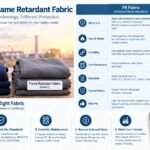
| Feature | FR Fabric (Inherent) | Flame Retardant Fabric (Treated) |
|---|---|---|
| Source of flame resistance | Built into the fiber’s molecular structure | Chemical treatment applied after weaving |
| Durability of protection | Permanent, lasts the life of the fabric | Durable but degrades with washing/abrasion |
| Common fibers | Aramid (Nomex®, Kevlar®), modacrylic blends | Cotton, cotton blends, rayon, polyester treated |
| Maintenance | Machine washable with standard care | Requires careful laundering and retreatment |
| Cost | Higher upfront cost, better total cost of ownership | Lower initial cost, may need replacement sooner |
| Typical applications | High-risk environments (flash fire, arc flash) | Moderate-risk environments, general industrial use |
How Does Flame Retardancy Work?
Flame retardancy interrupts the fire triangle—fuel, heat, and oxygen—through various mechanisms:
- Chemical Treatments: Release non-flammable gases or promote char formation to smother flames.
- Inherent Fibers: Polymer chemistry causes fibers to char and form insulating barriers, resisting ignition and melting.
- Char Formation: Creates a protective layer that slows heat transfer and flame spread.
- Gas Phase Inhibition: Some treatments release radical scavengers that disrupt combustion at the molecular level.
Understanding these mechanisms helps in selecting the right fabric for specific hazards.
Types of FR and Flame Retardant Fabrics
1. Treated Flame Retardant Fabrics
- Typically made from cotton or cotton-rich blends.
- Chemically treated with durable finishes (e.g., phosphorus-based).
- Protection can last from 1 to 50 wash cycles depending on treatment quality.
- Require periodic re-certification and retreatment.
- Commonly used in general industrial workwear and environments with low to moderate thermal hazards.
2. Inherent Flame Resistant Fabrics
- Fibers like meta-aramid (Nomex®), para-aramid (Kevlar®), modacrylic, and FR viscose.
- Flame resistance is permanent and integral to the fiber.
- Maintain protection through the garment’s life, unaffected by washing.
- Used in high-risk applications such as firefighting, electrical utilities, and petrochemical industries.
- Typically more expensive but offer superior durability and safety.
Standards and Certifications for FR and Flame Retardant Fabrics
Compliance with recognized standards ensures that the fabric meets safety requirements for specific hazards.
Key Standards:
- NFPA 701: Tests flame propagation for vertical hanging textiles like curtains and draperies.
- NFPA 2112: Covers flame-resistant garments for industrial personnel exposed to flash fires.
- NFPA 70E: Addresses electrical safety and arc flash protection.
- ASTM D6413: Vertical flame test measuring after-flame, afterglow, and char length.
- ISO 11612: Protective clothing performance against heat and flame.
- BS 5867: British standard for flame retardant curtains and blinds.
- CAL/TB 117: California standard for upholstery flame resistance.
Note: Fabrics certified to these standards come with third-party documentation verifying performance.
Durability: How Washing Affects FR and Flame Retardant Fabrics
- Treated Flame Retardant Fabrics: The chemical finish can wear off with repeated laundering, especially with harsh detergents, bleach, or dry cleaning. Retreatment or replacement is often required after a defined number of washes (sometimes as few as 20).
- Inherent FR Fabrics: The flame resistance is built into the fiber, so washing according to manufacturer instructions does not degrade protection. However, physical damage, contamination, or excessive wear can still compromise safety.
Proper care and inspection are crucial for both types to maintain performance.
Choosing the Right Fabric: Factors to Consider
- Type of Hazard: Flash fire, arc flash, molten metal splash, or radiant heat all require different fabric properties.
- Durability Needs: Consider laundering frequency, abrasion resistance, and service life.
- Comfort: Breathability, moisture management, and fabric weight affect wearer compliance.
- Regulatory Compliance: Ensure fabrics meet the standards relevant to your industry and region.
- Cost vs. Lifecycle: Higher upfront cost fabrics may save money long-term through durability and reduced replacement frequency.
- Maintenance: Evaluate the practicality of re-treatment or replacement cycles.
Applications of FR and Flame Retardant Fabrics
- Oil & Gas: High-risk environments requiring inherently flame resistant fabrics for flash fire protection.
- Electrical Utilities: Arc-rated inherent FR fabrics to withstand electrical arcs.
- Manufacturing & Maintenance: Treated FR fabrics for incidental flame exposure.
- Firefighting: Multi-layer inherent FR composites (e.g., PBI, aramid blends).
- Public Venues: Flame retardant curtains and upholstery certified to NFPA 701 or BS 5867.
Final Thoughts: FR Fabric vs Flame Retardant Fabric
The distinction between FR fabric vs flame retardant fabric is more than semantics—it's a fundamental safety consideration. Inherent FR fabrics offer permanent, reliable protection ideal for high-risk, long-term use, while treated flame retardant fabrics provide cost-effective solutions for moderate-risk environments but require diligent maintenance.
When selecting protective fabrics, always:
- Verify third-party certifications.
- Understand the hazard and applicable standards.
- Follow manufacturer care instructions.
- Inspect garments regularly for wear and contamination.
Safety is non-negotiable. Choose fabrics that provide certified, proven protection tailored to your specific needs.
Ready to make the right choice for your safety gear?
Explore certified FR fabrics that meet your industry’s standards and ensure the protection your workforce deserves. Stay informed, stay safe.