When stepping into a professional kitchen, every detail matters—from the ingredients you use to the gear you wear. Among the essential components of a chef’s uniform, chef pants play a crucial role in comfort, safety, and style. But what are chef pants exactly, and why do they differ so much from regular trousers? This article dives deep into the world of chef pants, exploring their types, features, fabrics, and how to choose the best pair for your culinary needs.
What Are Chef Pants?
Chef pants are specialized trousers designed specifically for culinary professionals. Unlike everyday pants, these are crafted to meet the demanding conditions of a kitchen environment, where heat, spills, and constant movement are the norm. They prioritize comfort, durability, breathability, and functionality, ensuring chefs can focus on their craft without distraction.
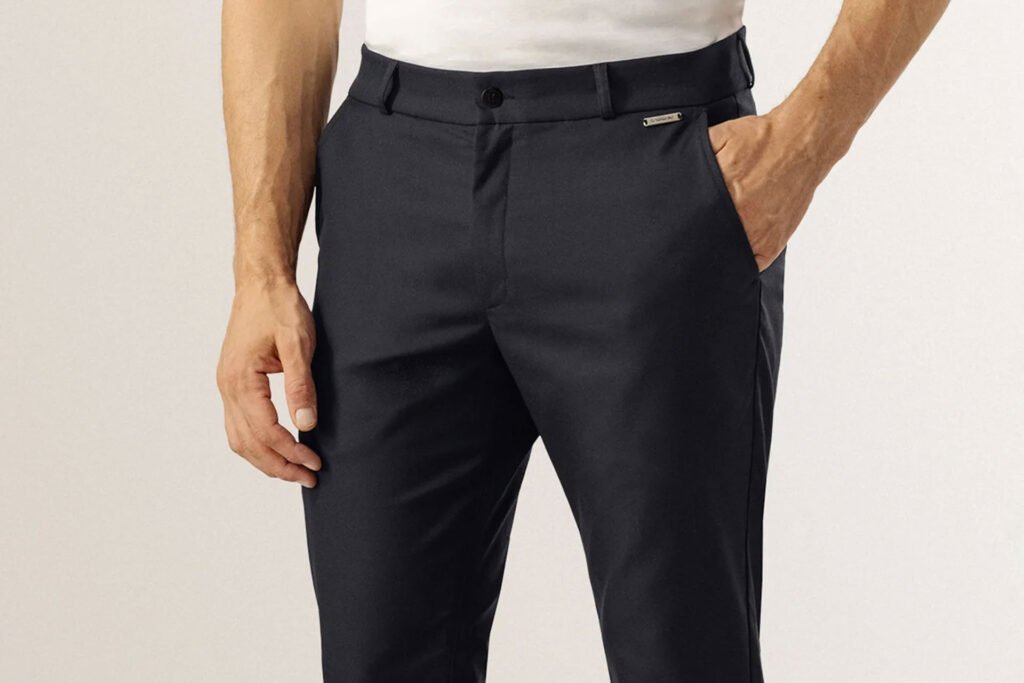
What Are Chef Pants
Why Are Chef Pants Important?
Professional kitchens are hot, fast-paced, and sometimes hazardous places. Chef pants provide:
- Heat resistance and breathability: Fabrics like cotton blends help keep chefs cool.
- Flexibility and mobility: Loose or tapered fits allow unrestricted movement for bending, squatting, and quick pivots.
- Protection: Thick or layered fabrics protect against spills, splashes, and minor burns.
- Durability: Reinforced seams and durable materials withstand the rigors of daily use and industrial laundering.
- Professional appearance: Colors and patterns maintain a clean, uniform look even during long shifts.
Types of Chef Pants
Chef pants come in various styles and fits, each catering to different preferences and kitchen environments. Here are the most common types:
1. Standard Fit Chef Pants
- Description: Loose and comfortable with a relaxed fit.
- Features: Elastic waistband with drawstring for adjustability, durable fabric, and practical pockets.
- Best for: Chefs who prioritize comfort and flexibility during long hours.
2. Slim Fit Chef Pants
- Description: Tailored and modern, hugging the legs without restricting movement.
- Features: Often made with stretch fabrics like spandex blends.
- Best for: Chefs who want a sleek, professional look while maintaining mobility.
3. Baggy Chef Pants
- Description: Extra roomy and airy for maximum comfort.
- Features: Loose legs, elastic or drawstring waistbands, often with reinforced seams.
- Best for: High-heat kitchens or chefs who prefer a more relaxed style.
4. Jogger or Chándal Style Pants
- Description: Tapered legs with elastic cuffs at the ankles.
- Features: Lightweight, breathable fabrics with sporty aesthetics.
- Best for: Modern kitchens and chefs who want a blend of style and function.
5. Capri and Short Chef Pants
- Description: Cropped pants hitting mid-calf or shorts.
- Features: Ideal for warm environments, offering ventilation and ease of movement.
- Best for: Outdoor kitchens or hot kitchen stations.
Fabric and Material
Choosing the right fabric is key for performance and comfort. Common materials include:
- Cotton: Highly breathable and comfortable but can wrinkle and stain easily.
- Polyester: Durable, wrinkle-resistant, and quick-drying but less breathable.
- Poly-cotton blends: Combine the best of both—comfort, durability, and easy care.
- Performance synthetics: Some pants include moisture-wicking or stain-resistant finishes for added functionality.
According to professional insights, midweight twill or tightly woven fabrics are preferred for their balance of durability and breathability. Some chef pants also incorporate moisture-absorption technology to keep chefs dry in hot kitchens.
Colors and Patterns
Chef pants are traditionally available in:
- Black: Elegant, professional, and excellent at hiding stains.
- White: Classic and symbolizes cleanliness but shows stains easily.
- Checkered (usually black and white or navy and white): A timeless pattern that camouflages minor stains and flour dust.
- Striped: Vertical stripes create a slimming effect and are stylish yet practical.
- Colored: Less common, these add personality but require careful selection to maintain professionalism and stain concealment.
Patterns like checkered or micro-check remain popular in culinary schools and traditional kitchens because they blend style with practicality.
Functional Features of Chef Pants
Professional chef pants often include:
- Elastic or drawstring waistbands: For adjustable, secure fit without belts.
- Multiple pockets: Side, back, and cargo pockets for carrying thermometers, pens, and other tools.
- Reinforced seams and bartacks: To prevent tearing in high-stress areas.
- Gusseted crotch: Enhances mobility and prevents seam blowouts.
- Proper length hems: To avoid tripping hazards and keep pants from dragging on the floor.
How to Choose the Right Chef Pants
When selecting chef pants, consider these factors:
1. Fit and Comfort
- Aim for a fit that is roomy in the hips and thighs but not excessively baggy.
- Ensure the pants allow for squatting, bending, and quick movements.
- Elastic or drawstring waists offer comfort and adjustability.
2. Fabric Quality
- Choose durable, breathable fabrics that can withstand frequent washing.
- Poly-cotton blends are often the best balance.
- Avoid overly thin or stiff fabrics that restrict movement or wear out quickly.
3. Color and Style
- Match pants to your kitchen’s dress code and environment.
- Dark colors or patterned pants hide stains better.
- Consider classic styles for professional kitchens; modern tapered or jogger styles for casual or open kitchens.
4. Pockets and Practicality
- Decide how many pockets you need and their placement.
- Cargo pockets add storage but can snag on equipment.
- Secure, deep pockets are ideal for keeping tools accessible.
5. Safety and Hygiene
- Pants should be the right length to prevent tripping or dragging.
- Reinforced seams and flame-resistant fabrics add protection.
- Choose pants that maintain shape and cleanliness after washing.
Frequently Asked Questions About Chef Pants
Q1: What materials are chef pants made of?
A: Mostly cotton, polyester, or poly-cotton blends for breathability and durability.
Q2: Should chef pants be loose or tight?
A: They should be loose enough for comfort and movement but not so baggy as to cause safety risks.
Q3: What colors are best for chef pants?
A: Black and checkered patterns are preferred for their stain-hiding properties.
Q4: How long should chef pants be?
A: Just above the shoe to avoid dragging and slipping hazards.
Q5: Are elastic waistbands acceptable in fine dining?
A: Yes, if designed with a neat finish and combined with a polished overall look.
Conclusion
Understanding what chef pants are and their critical role in professional kitchens helps culinary workers make informed choices. From fabric selection to fit, style, and functionality, the right chef pants enhance comfort, safety, and professionalism. Whether you prefer classic checkered trousers or modern jogger-style pants, prioritizing durability, breathability, and fit will keep you performing at your best during every shift.
Ready to upgrade your kitchen wardrobe? Explore the wide range of chef pants tailored for every culinary environment, and experience the difference that quality workwear makes!