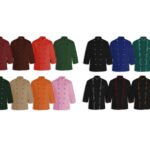
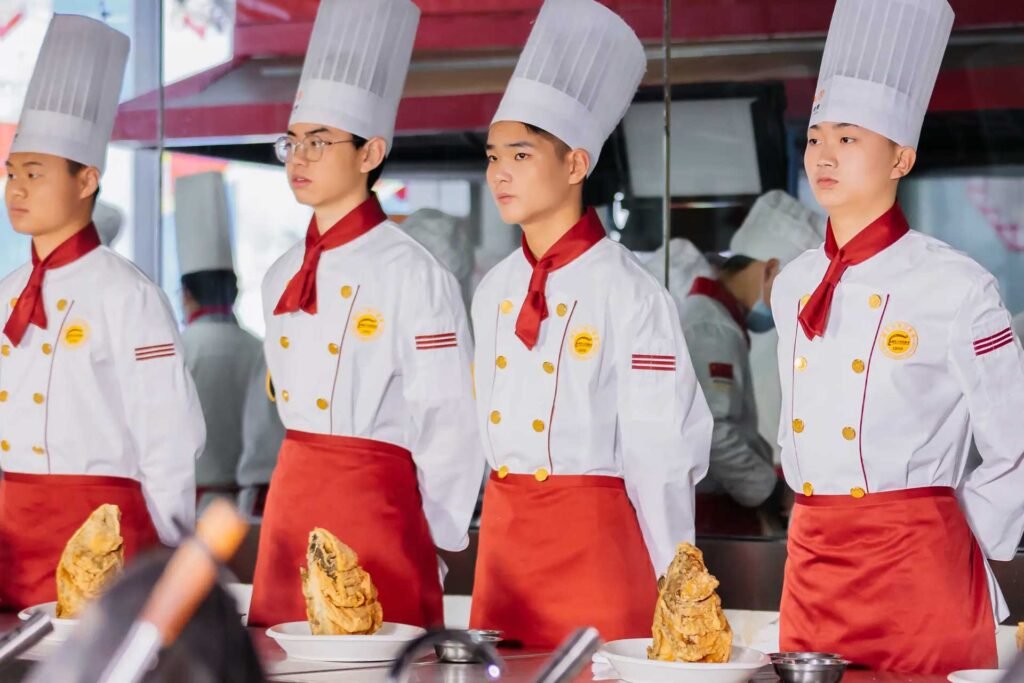
Professional chefs typically wear a chef jacket, chef pants, apron, chef hat, and slip-resistant shoes. These garments are designed not only for professional appearance but also for comfort, hygiene, heat protection, and safety in busy kitchen environments.
Chef uniforms have evolved over time to support the fast-paced and high-temperature conditions found in commercial kitchens. Different restaurants and food service businesses may also choose different styles, fabrics, and designs depending on their operational needs and brand image.
In this guide, we’ll explain what chefs wear, why chef uniforms are important, and how professional kitchens choose the right chef clothing.
What Does a Chef Wear
Why Do Chefs Wear Special Uniforms?
Chef uniforms are designed for more than appearance. They help chefs work safely, comfortably, and professionally during long hours in hot kitchen environments.
Professional chef uniforms help with:
- Heat protection
- Hygiene and cleanliness
- Comfort during long shifts
- Professional presentation
- Workplace safety
- Easy movement in busy kitchens
Commercial kitchens can become extremely hot and physically demanding, so chef clothing must balance durability with comfort.
What Are the Main Parts of a Chef Uniform?
A complete chef uniform usually includes several important pieces designed for different functions.
Chef Jacket
The chef jacket is one of the most recognizable parts of a chef uniform.
Professional chef jackets are usually:
- Double-breasted
- Long-sleeved
- Made from durable fabrics
- Designed for heat protection
The double-breasted design allows chefs to reverse the front panel if stains occur during service. Long sleeves also help protect arms from burns and hot oil splashes.
Many modern kitchens now prefer lightweight chef jackets with breathable fabric panels for improved comfort.
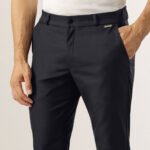
Chef Pants
Chef pants are designed for flexibility and comfort.
They are usually:
- Loose-fitting
- Lightweight
- Breathable
- Easy to move in
Traditional black-and-white checkered pants are still common because the pattern helps hide stains during busy kitchen work.
Comfort is especially important because chefs often stand and move for many hours every day.
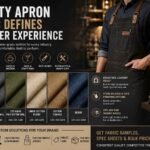
Chef Apron
Aprons provide additional protection against spills, stains, heat, and food splatter.
Common apron styles include:
- Waist aprons
- Bib aprons
- Cross-back aprons
In many kitchens, aprons also help reinforce the restaurant’s branding and professional appearance.
Chef Hat
Chef hats, also called toques, help maintain hygiene by keeping hair away from food preparation areas.
Modern kitchens may use:
- Traditional tall chef hats
- Skull caps
- Bandanas
- Mesh caps
The style often depends on kitchen culture, comfort preferences, and restaurant branding.
Chef Shoes
Professional kitchens require slip-resistant footwear because kitchen floors can become wet or greasy.
Chef shoes are usually designed to provide:
- Slip resistance
- Comfort for long standing hours
- Durability
- Foot protection
Proper footwear is an important part of kitchen safety.
Why Are Chef Jackets Double-Breasted?
One of the most common questions about chef uniforms is why chef jackets use a double-breasted design.
This design provides several practical benefits:
- Extra protection from heat
- Additional insulation
- Ability to reverse the front panel if stained
- Improved durability
In busy kitchens, spills and splashes happen frequently, so functional uniform design becomes very important.
What Fabrics Are Best for Chef Uniforms?
Fabric choice is one of the most important factors in chef uniforms because kitchen environments are hot, fast-paced, and physically demanding.
Cotton Fabrics
Cotton is popular because it is:
- Breathable
- Soft
- Comfortable in hot kitchens
However, pure cotton may wrinkle easily and can shrink after repeated washing.
Polyester-Cotton Blends
Many professional chef uniforms use polyester-cotton blends because they combine:
- Durability
- Comfort
- Wrinkle resistance
- Easy maintenance
These blended fabrics are widely used in commercial kitchens.
Lightweight and Breathable Fabrics
Modern chef uniforms increasingly use lightweight performance fabrics designed to improve airflow and reduce heat discomfort.
Breathable fabrics are especially important for:
- High-temperature kitchens
- Long working shifts
- Fast-paced restaurant environments
Comfort can directly affect employee performance during service hours.
How Professional Kitchens Choose Chef Uniforms
Restaurants and food service businesses often choose chef uniforms based on both operational and branding needs.
Several factors are commonly considered.
Comfort for Long Working Hours
Chefs often work long shifts in hot environments, so lightweight and breathable uniforms are important for comfort and productivity.
Durability and Easy Maintenance
Chef uniforms require frequent washing, so fabrics must remain durable after repeated cleaning.
Restaurants usually prefer uniforms that:
- Resist shrinking
- Maintain color
- Dry quickly
- Require minimal ironing
Professional Appearance
Uniforms help restaurants create a more professional and organized image.
Many restaurants customize chef uniforms with:
- Logos
- Embroidery
- Brand colors
- Custom apron designs
Consistent uniforms can strengthen restaurant branding and improve customer perception.
Kitchen Environment
Different kitchen environments require different uniform features.
For example:
- Open kitchens may prioritize appearance
- Industrial kitchens may prioritize durability
- Fine dining restaurants may prefer premium uniform styling
Choosing the right chef clothing depends heavily on the specific work environment.
Common Mistakes When Choosing Chef Uniforms
Many businesses focus only on appearance or price when selecting chef uniforms.
However, poor uniform choices can reduce comfort and productivity.
Choosing Heavy Fabrics
Heavy fabrics may become uncomfortable in hot kitchens and increase fatigue during long shifts.
Ignoring Breathability
Poor airflow can make kitchen work much more difficult, especially during busy service periods.
Prioritizing Style Over Function
Chef uniforms must balance professional appearance with practical functionality.
Stylish uniforms that restrict movement or trap heat may create operational problems.
Buying Low-Quality Uniforms
Cheap uniforms may wear out quickly after repeated washing and heavy daily use.
Long-term durability is often more important than the lowest initial price.
Frequently Asked Questions
Why do chefs wear white?
Traditional chef jackets are often white because white symbolizes cleanliness and makes it easier to identify stains and maintain hygiene standards.
What fabric is best for chef uniforms?
Polyester-cotton blends are widely used because they combine durability, comfort, wrinkle resistance, and easy maintenance.
Why are chef jackets double-breasted?
Double-breasted jackets provide additional heat protection and allow chefs to reverse the front panel if stains occur during service.
What shoes do chefs wear?
Chefs typically wear slip-resistant shoes designed for comfort, durability, and kitchen safety.
Are chef uniforms heat resistant?
Many chef uniforms are designed to provide some heat protection, especially through thicker fabrics and long-sleeve designs. Some kitchens may also require specialized heat-resistant materials.
Final Thoughts
Chef uniforms are designed to support the demanding conditions of professional kitchens while maintaining hygiene, safety, comfort, and professional appearance.
From chef jackets and aprons to breathable fabrics and slip-resistant shoes, every part of a chef uniform serves a practical purpose in daily kitchen operations.
For restaurants and food service businesses, choosing the right chef uniforms can improve employee comfort, strengthen branding, and support a more professional working environment.