Flame resistant (FR) fabric is a critical component in ensuring safety for workers in hazardous environments such as oil and gas, electrical utilities, welding, and firefighting. But a common question arises: How long does FR fabric last? Understanding the durability and lifespan of FR fabrics is essential not only for safety compliance but also for cost-effective asset management.
In this comprehensive guide, we’ll explore the factors that influence the longevity of FR fabric, the differences between treated and inherent flame resistance, best practices for care and maintenance, and when to retire your FR garments. Whether you’re a safety manager, procurement officer, or end-user, this article will provide valuable insights backed by industry standards and expert research.
How Long Does FR Fabric Last
What Is FR Fabric and How Does It Work?
FR fabric is engineered to resist ignition and self-extinguish when exposed to flames or heat, significantly reducing burn injuries. There are two main types:
-
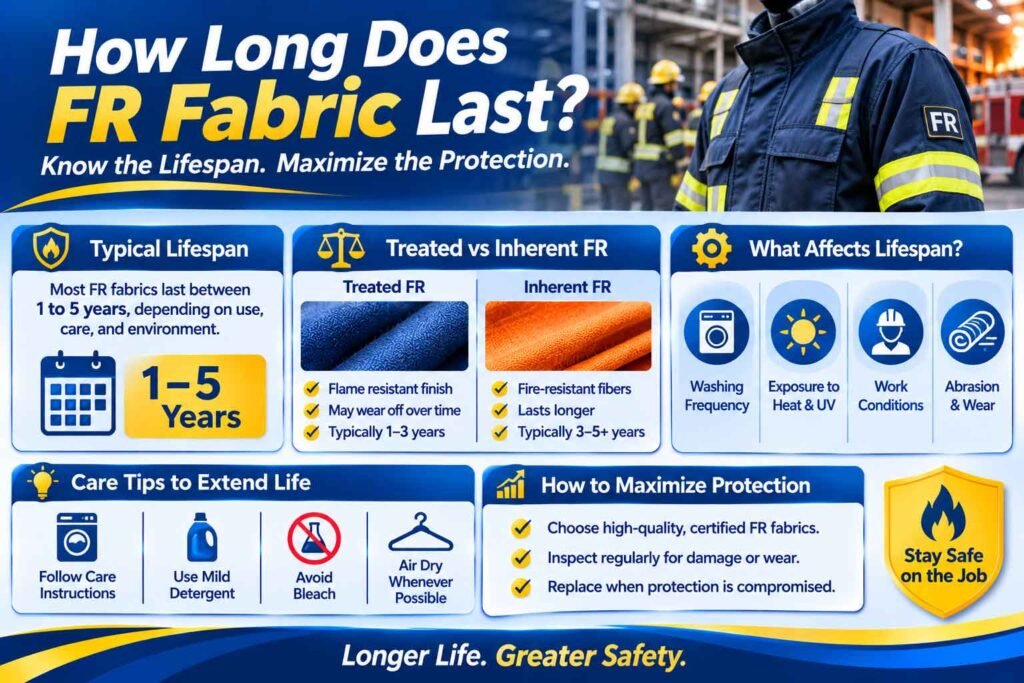
Treated FR Fabric: This fabric starts as a natural or synthetic material (often cotton or cotton blends) that is chemically treated with flame retardants in a topical immersion process. The treatment forms a protective barrier but gradually wears off over time, especially with washing and exposure to heat.
-
Inherent FR Fabric: In this type, the flame resistance is built into the fiber itself during manufacturing. Fibers like aramid (Nomex, Kevlar), modacrylic, and ultra-high-molecular-weight polyethylene (UHMWPE) have flame-resistant properties that cannot be washed out or worn away.
How Long Does FR Fabric Last? Lifespan by Fabric Type
The lifespan of FR fabric varies significantly depending on whether it is treated or inherent, as well as the conditions of use and care.
| Fabric Type | How FR Works | Typical Service Life | Effect of Washing |
|---|---|---|---|
| Treated 100% FR Cotton | Chemical finish applied on fabric | ~12–16 months | Finish degrades with each wash; requires re-certification |
| Treated Cotton/Nylon Blend | Chemical finish + nylon reinforcement | ~18–30 months | Slower finish degradation; still needs monitoring |
| Inherent Aramid (Meta/Para) | FR property inherent in fiber polymer | 3–5+ years (no fixed limit) | No loss of FR properties with washing |
| Inherent Modacrylic Blends | FR built into fibers | 2.5–4+ years | FR remains intact despite washing |
Key Insight: Treated FR fabrics rely on a chemical coating that gradually diminishes, especially with improper washing, while inherent FR fabrics maintain protection for the life of the garment unless physically damaged.
Factors Influencing FR Fabric Longevity
Several factors impact how long FR fabric remains effective:
- Type of FR Fabric: Inherent fabrics last longer than treated ones.
- Frequency of Use and Washing: More frequent washing accelerates degradation in treated fabrics.
- Washing Methods and Chemicals: Chlorine bleach, fabric softeners, and harsh detergents break down FR treatments.
- Environmental Exposure: Contact with oils, chemicals, heat, and abrasion can damage fibers or remove treatments.
- Quality of Construction: Seams, zippers, and closures influence overall garment durability.
- Storage and Handling: Proper storage away from sunlight, chemicals, and contaminants prolongs life.
How Washing Affects FR Fabric Durability
Washing is one of the most critical factors affecting FR fabric lifespan, especially for treated fabrics.
-
Treated FR Fabrics: The flame retardant chemicals are water-soluble and degrade with heat, detergents, and mechanical agitation. Industry data suggests treated cotton FR garments typically last between 12 and 16 months with regular use and washing. Cotton/nylon blends may extend this to 18–30 months due to nylon’s reinforcement.
-
Inherent FR Fabrics: Since the FR property is part of the fiber polymer, washing—even industrial laundering over 50+ cycles—does not diminish protection. This makes inherent FR fabrics ideal for high-use, frequently laundered workwear.
Best Washing Practices to Extend FR Fabric Life:
- Use warm water (max 140°F / 60°C).
- Avoid chlorine bleach, fabric softeners, starch, and optical brighteners.
- Use mild, liquid detergents formulated for FR clothing.
- Wash FR garments separately from non-FR clothing to avoid contamination.
- Tumble dry on low heat or air dry to prevent heat damage.
- Avoid high heat ironing; if necessary, use the lowest setting without steam.
Following these guidelines can maximize FR fabric lifespan and maintain protective performance.
When to Retire FR Clothing: Signs and Inspection Criteria
Knowing when to retire FR garments is crucial for safety. Here are key indicators:
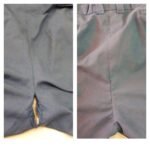
- Visible Damage: Holes, tears, thinning fabric, or broken seams compromise protection.
- Permanent Contamination: Oil, grease, or chemical stains that cannot be removed increase flammability risks.
- Loss of Flame Resistance: For treated fabrics, expiration of certification or failure in flame tests.
- Shrinkage or Poor Fit: Reduced coverage exposes skin to hazards.
- Damaged Reflective Tape or Components: On hi-vis FR gear, degraded trims reduce visibility and safety.
- After a Fire Incident: Any garment exposed to flash or arc flash events should be replaced immediately.
A simple “light test” can help detect thinning: hold the garment up to a strong light source—if you can see through the fabric, it’s time to replace it.
Industry Standards and Certifications Impacting FR Fabric Life
Compliance with standards such as NFPA 701, NFPA 2112, ASTM F1506, and others ensures FR fabrics meet minimum performance requirements. However, these certifications typically cover initial performance and may include limited wash cycle testing.
- NFPA 701: Focuses on flame propagation for curtains and draperies.
- NFPA 2112: Addresses FR clothing for flash fire protection, including durability through wash cycles.
- ASTM F1506: Covers FR clothing for electrical arc hazards.
Certifications give a baseline for performance but do not guarantee indefinite lifespan. Regular inspection, proper laundering, and adherence to manufacturer guidelines are essential.
Why Choose Inherent FR Fabrics for Longevity?
While inherent FR fabrics often come with a higher upfront cost, their longer lifespan and consistent protection can result in a lower total cost of ownership. They do not require re-certification after washing, and their durability withstands harsh environments better than treated fabrics.
For industries with frequent laundering and high-risk conditions, investing in inherent FR fabrics is a smart decision that enhances worker safety and reduces replacement frequency.
Conclusion: Maximizing the Life of Your FR Fabric
Understanding how long FR fabric lasts is vital for maintaining safety and managing costs effectively. Treated FR fabrics generally last 12–36 months depending on fabric composition and care, while inherent FR fabrics can last 3–5 years or more with proper maintenance.
To maximize FR fabric lifespan:
- Follow strict laundering guidelines.
- Inspect garments regularly for damage or contamination.
- Replace garments promptly when safety is compromised.
- Consider inherent FR fabrics for high-use applications.
Your flame resistant clothing is your last line of defense—treat it with care to ensure it protects you when it matters most.
Ready to upgrade your FR clothing program? Explore inherent FR fabric options and implement best care practices today to enhance safety and reduce long-term costs.