Electric utility workers face some of the most hazardous environments in the workforce. From exposure to extreme electrical arc flashes to unpredictable weather conditions, their protective clothing must meet rigorous safety standards without compromising comfort or mobility. Choosing the best fabric for electric utility workers is critical—not only to protect against burns and arc flash hazards but also to ensure durability, visibility, and comfort during long hours on the job.
In this article, we explore the essential qualities of protective fabrics for electric utility workers, highlight the latest innovations in flame-resistant (FR) and arc-resistant (AR) materials, and provide practical guidance for safety managers and workers alike.
The Best Fabric for Electric Utility Workers
Understanding the Hazards: Why Fabric Choice Matters
Electric utility workers are routinely exposed to electrical arcs that can reach temperatures as high as 35,000°F. Arc flashes pose severe risks of burn injuries or even fatalities. According to the National Fire Protection Association (NFPA), thousands of workers suffer from arc flash burns annually, making protective clothing a vital component of workplace safety.
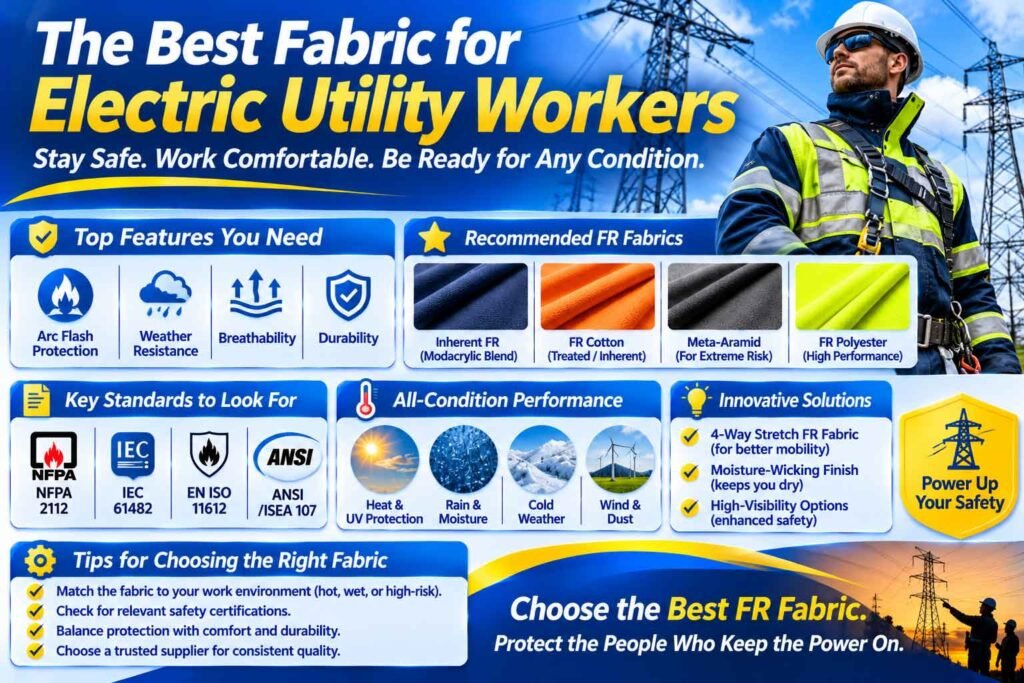
Beyond thermal hazards, workers must also contend with harsh weather—rain, wind, and cold—that can affect performance and safety. The best fabric for electric utility workers must therefore provide:
- Arc flash and flame resistance to minimize burn injuries.
- Waterproof and windproof protection to shield from foul weather.
- Breathability to prevent heat stress and maintain comfort.
- High visibility to reduce accident risks in low-light or high-traffic environments.
- Durability and ease of care for long-term use under demanding conditions.
Key Features of the Best Fabric for Electric Utility Workers
1. Arc Flash and Flame Resistance
The cornerstone of protective clothing for electric utility workers is its ability to withstand arc flash hazards. Fabrics must meet or exceed standards such as ASTM F1891, which specifies performance for arc- and flame-resistant rainwear.
- Arc Thermal Performance Value (ATPV): This rating measures the fabric’s ability to protect against incident energy from an arc flash. Higher ATPV values indicate greater protection.
- Hazard Risk Category (HRC): Ranges from HRC 1 (low risk) to HRC 4 (high risk), guiding the selection of appropriate clothing based on job tasks.
Innovative fabrics like GORE-TEX PYRAD® technology offer category 3 arc protection (up to 30 cal/cm²), combining lightweight construction with durable arc resistance. These fabrics form a protective char layer during arc exposure, reducing heat transfer and preventing flame propagation.
2. Waterproof, Windproof, and Breathable Performance
Electric utility workers often operate outdoors in severe weather. Protective fabrics must be:
- Waterproof: Fabrics with durable, integrated membranes (e.g., polyurethane or GORE-TEX laminates) repel continuous rain without saturation or heavy water pick-up.
- Windproof: Fabrics with air permeability rates of 1.0 cubic feet per minute (cfm) or less effectively block wind chill, maintaining body warmth.
- Breathable: High breathability allows sweat vapor to escape, preventing moisture buildup and keeping workers dry and comfortable. ASTM F1868 and ISO 11092 tests measure evaporative resistance (RET), with lower RET indicating better breathability.
Balancing these factors is crucial. Traditional rainwear often sacrifices comfort for protection, but modern FR/AR fabrics provide both, enabling workers to stay focused and agile.
3. High Visibility for Safety
Visibility is a critical safety factor, especially in low-light or high-traffic work zones. Fabrics that comply with ANSI 107-15 and CSA Z96-15 standards ensure that electric utility workers are easily seen.
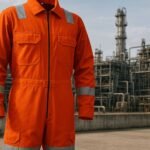
- Bright colors like hi-vis yellow or hi-vis orange are commonly used.
- Integrating high-visibility materials into arc-rated garments eliminates the need for additional vests, reducing bulk and improving mobility.
4. Durability and Comfort
Protective clothing must withstand abrasion, tears, and repeated laundering while maintaining its protective properties.
- Durable fabrics resist fading and degradation, even after multiple wash cycles.
- Lightweight materials reduce fatigue and enhance freedom of movement.
- Comfort-enhancing features like moisture-wicking linings and ergonomic design improve wearer acceptance and productivity.
Innovative Fabrics Leading the Industry
Several cutting-edge fabrics have emerged as leaders in protective wear for electric utility workers:
- GORE-TEX PYRAD®: Offers durable waterproofing and category 3 arc protection with up to 20% lighter weight than comparable garments. Its breathable membrane allows moisture vapor to escape, enhancing comfort during extended wear.
- Pyrad® Windstopper®: Combines arc resistance with windproof and thermal insulation properties, ideal for cold, windy conditions without bulk.
- FR Cotton and Wool Blends: While 100% cotton is comfortable and non-melting, it can ignite under arc flash conditions. Treated cotton blends and wool linings provide inherent flame resistance and warmth, suitable for winter wear.
Selecting the Right Fabric: A Checklist for Safety Managers
When choosing protective fabrics for electric utility workers, consider the following:
- Compliance: Does the fabric meet ASTM F1891 and NFPA 70E standards for arc and flame resistance?
- Waterproofing and Windproofing: Has the fabric been tested under extreme weather conditions? Is the air permeability ≤ 1.0 cfm?
- Breathability: What are the fabric’s RET values? Will it allow sweat vapor to escape efficiently?
- Visibility: Does the fabric comply with ANSI 107-15 or CSA Z96-15 for high visibility?
- Durability: Is the fabric abrasion-resistant and colorfast after multiple washes?
- Comfort: Is the fabric lightweight and flexible to support a full range of motion?
- Maintenance: Are care instructions user-friendly to maintain protective properties over time?
Conclusion
The best fabric for electric utility workers is one that harmonizes arc flash protection, weather resistance, breathability, visibility, durability, and comfort. Thanks to advances in fabric technology—such as GORE-TEX PYRAD® and innovative FR blends—electric utility workers can now rely on garments that keep them safe and comfortable in even the most challenging environments.
Safety managers and workers should prioritize fabrics that exceed industry standards and have undergone rigorous testing, including real-life field trials. Investing in high-performance protective clothing not only safeguards lives but also enhances productivity and morale.
Take Action
Ensure your electric utility team is equipped with the latest in protective fabric technology. Explore options that meet ASTM and NFPA standards, prioritize comfort, and provide reliable protection against arc flash and weather hazards. Share this article with your safety team and visit trusted manufacturers’ websites to learn more about cutting-edge FR/AR fabrics designed specifically for electric utility workers.