Choosing the right fabric blend can make all the difference in comfort, durability, and performance, especially in commercial uniforms, workwear, and casual apparel. Among the most popular polyester-cotton blends are TC 65/35 and CVC 60/40, each offering unique benefits tailored to specific needs. But what exactly sets these two apart? This article dives deep into the TC 65/35 vs CVC 60/40 debate, unpacking their fiber compositions, mechanical properties, moisture management, and ideal applications. Whether you're a textile professional, a clothing manufacturer, or a buyer, understanding these differences will help you make informed decisions that balance comfort, durability, and cost.
TC 65/35 vs CVC 60/40
What Are TC and CVC Fabrics?
Defining TC 65/35 Fabric
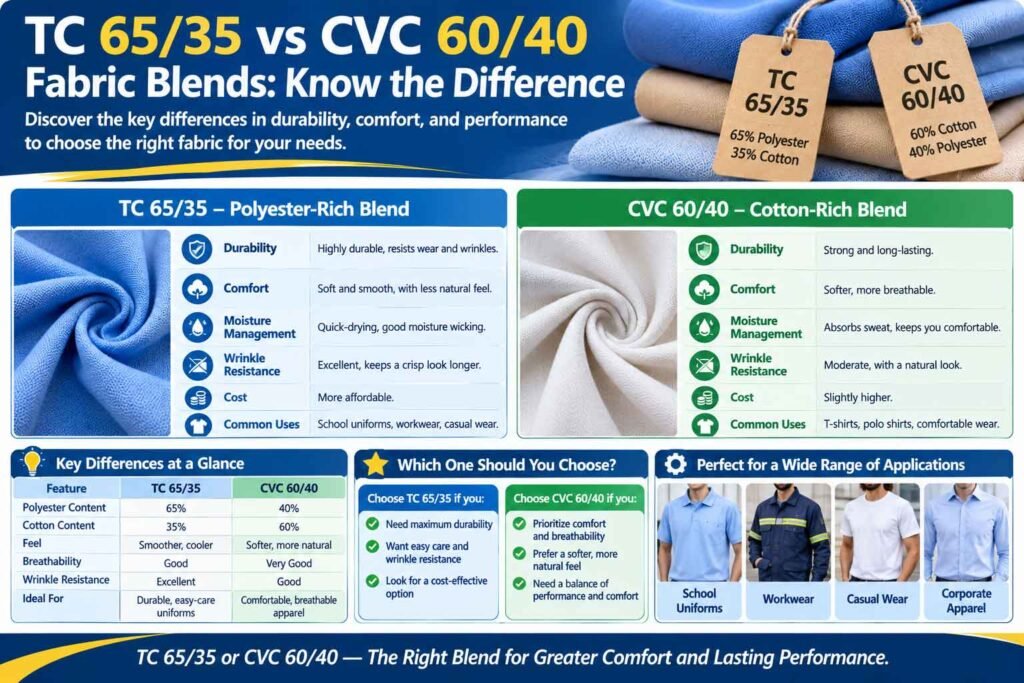
TC stands for Tetron Cotton, a polyester-dominant blend traditionally composed of 65% polyester and 35% cotton. This blend emphasizes durability, wrinkle resistance, and ease of care. The polyester fibers form a strong structural matrix, giving the fabric excellent tensile strength and resistance to tearing, making it ideal for heavy-duty uniforms and industrial workwear.
Defining CVC 60/40 Fabric
CVC means Chief Value Cotton, where cotton is the dominant fiber, typically 60% cotton and 40% polyester. The cotton fibers dominate the fabric’s surface, providing a natural, soft hand feel and superior breathability. CVC fabrics retain many of cotton’s desirable properties, such as moisture absorption and comfort, while polyester adds dimensional stability and durability.
Fiber Composition and Yarn Construction
Fiber Mass Ratios
The fundamental difference between TC and CVC fabrics lies in their fiber mass distribution:
| Fabric | Polyester (%) | Cotton (%) | Fiber Dominance |
|---|---|---|---|
| TC 65/35 | 65% | 35% | Polyester-dominant |
| CVC 60/40 | 40% | 60% | Cotton-dominant |
Yarn Spin Geometry
- TC fabrics often use a uniform blend of polyester and cotton fibers spun together, resulting in a polyester-rich surface.
- CVC fabrics employ advanced core-spun yarn technology, where a strong polyester filament core is wrapped in a cotton sheath. This design places polyester inside for strength and cotton on the outside for softness and printability.
Mechanical Properties: Durability and Strength
Tensile Strength and Tear Resistance
- TC 65/35 fabrics boast superior tensile strength, with warp strength exceeding 1100 N and weft strength around 700 N (ISO 13934-1). This makes them highly resistant to wear and tear, ideal for heavy manufacturing coveralls and mechanic shop uniforms.
- CVC 60/40 fabrics offer good durability with tensile strengths around 750 N warp / 500 N weft, suitable for medical scrubs and corporate hospitality shirts.
Shrinkage and Dimensional Stability
- TC fabrics have exceptional shrink resistance, often under 1.5%, due to polyester’s crystalline fiber structure that does not absorb water.
- CVC fabrics shrink more, typically between 2.5% and 3.5%, but this can be controlled with finishing processes like sanforizing and mercerization.
Wrinkle Recovery
- TC fabrics excel in wrinkle recovery, often requiring little to no ironing.
- CVC fabrics, with higher cotton content, may crease more and benefit from occasional pressing.
Moisture Management and Comfort
Breathability and Moisture Regain
- CVC 60/40 fabrics have a moisture regain rate of approximately 4.5% to 5.5%, making them more breathable and comfortable, especially in warm or humid environments.
- TC 65/35 fabrics have lower moisture regain (2.5% to 3.5%), which can trap heat and moisture, making them less comfortable for extended wear in hot climates.
Sweat Absorption and Evaporation
Both blends use a capillary action mechanism:
- Cotton fibers pull sweat away from the skin.
- Polyester fibers spread moisture across the fabric surface for faster evaporation.
However, CVC’s higher cotton surface improves moisture absorption, reducing stickiness and overheating.
Dyeing and Printing Considerations
- CVC fabrics are ideal for screen printing, direct-to-garment (DTG), and water-based inks because the cotton face readily absorbs reactive dyes.
- TC fabrics are better suited for sublimation printing since polyester dominates the surface, allowing disperse dyes to bond effectively.
Applications: When to Choose TC 65/35 vs CVC 60/40
| Application Area | Recommended Fabric | Reason |
|---|---|---|
| Industrial workwear | TC 65/35 | Superior durability, tear resistance, and wrinkle recovery for harsh conditions |
| Medical scrubs & hospitality uniforms | CVC 60/40 | Enhanced comfort, breathability, and better moisture management |
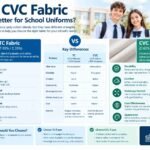
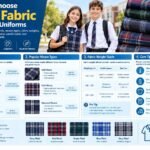
| Corporate shirts & school uniforms | CVC 60/40 | Cotton-rich surface for soft handfeel and excellent printability |
| Sportswear with sublimation prints | TC 65/35 | Polyester surface allows vibrant, durable sublimation |
Pros and Cons Summary
| Feature | TC 65/35 | CVC 60/40 |
|---|---|---|
| Durability | Excellent | Good |
| Shrinkage | Very low (<1.5%) | Low to moderate (2.5%-3.5%) |
| Comfort | Moderate | High |
| Breathability | Moderate | High |
| Wrinkle Resistance | High | Moderate |
| Printability (Screen Print) | Moderate | Excellent |
| Printability (Sublimation) | Excellent | Not suitable |
| Cost | Lower | Slightly higher |
| Pilling Resistance | Moderate | Better (with anti-pill finish) |
Quality Assurance and Industry Standards
Both TC and CVC fabrics undergo rigorous testing to ensure quality:
- Mass per unit area tests to verify fabric weight (e.g., 240 gsm for twill workwear).
- Tensile strength tests to ensure durability.
- Wash shrinkage evaluations at industrial temperatures.
- Abrasion resistance (Martindale test) to assess wear over time.
- Color fastness and crocking tests for print durability.
Conclusion
When deciding between TC 65/35 vs CVC 60/40, the choice hinges on your priorities:
- Opt for TC 65/35 if durability, wrinkle resistance, and cost-efficiency are paramount, especially for industrial or heavy-duty applications.
- Choose CVC 60/40 if comfort, breathability, and superior printability are essential, making it ideal for corporate, hospitality, and casual wear.
Understanding the subtle yet impactful differences in fiber dominance, fabric construction, and performance metrics ensures you select the right blend for your needs. Whether you're sourcing uniforms, medical scrubs, or promotional apparel, aligning fabric choice with end-use requirements will maximize satisfaction and longevity.
Take Action
Ready to select the perfect fabric for your next project? Explore trusted textile suppliers who offer certified TC and CVC fabrics, and request samples to experience the differences firsthand. For more insights on textile blends and performance, subscribe to our newsletter and stay updated with the latest industry trends.