The Difference Between a Uniform That Works and a Uniform That Gets in the Way
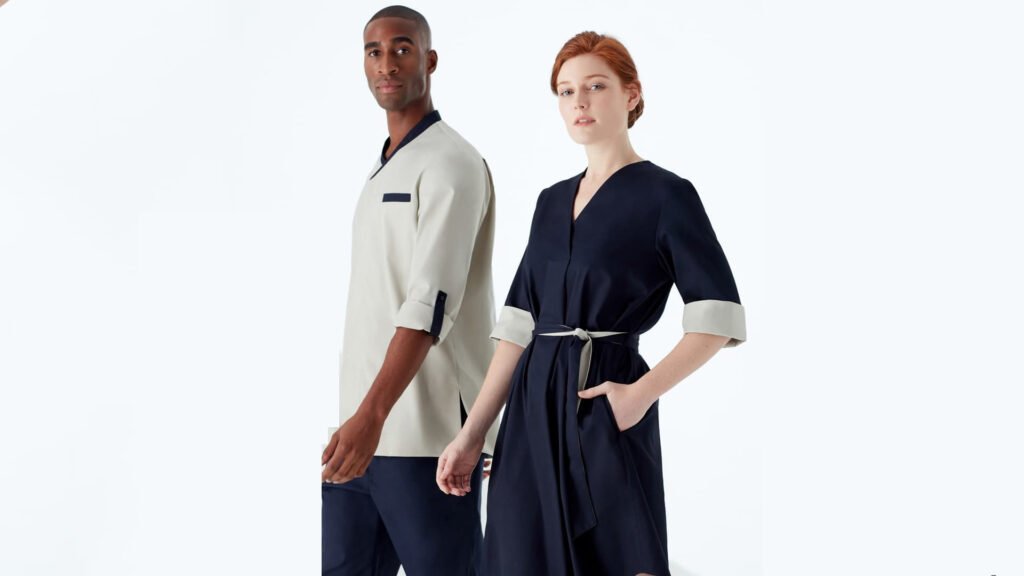
If you've ever stayed in a hotel and passed a housekeeper in the hallway, you've seen the uniform: usually a solid-color tunic or polo, dark pants, comfortable shoes, and a name badge. It looks simple. But that simplicity is the result of decades of trial and error — because a housekeeping uniform has requirements that most other jobs don't.
Housekeepers bend, stretch, kneel, push heavy carts, reach above their heads, and work in environments ranging from freezing air-conditioned corridors to stifling laundry rooms. The uniform has to survive all of that, plus industrial laundry at 75°C, plus daily contact with bleach and cleaning chemicals.
This guide covers what housekeepers wear, why they wear it, what fabrics work best, and how to choose uniforms for a housekeeping team — whether you're a hotel manager, a staffing agency, or a procurement officer.
What Do Housekeepers Wear
The Standard Housekeeping Uniform — What Most Hotels Issue
While individual hotels vary, the typical housekeeping uniform across the industry consists of:
| Garment | Typical Style | Purpose |
|---|---|---|
| Top | Polo shirt, tunic, or button-front blouse | Professional appearance, range of motion for reaching and bending |
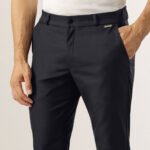
| Pants | Straight-leg or slightly tapered trousers | Coverage when bending, no drag on floor, easy movement |
| Apron (optional) | Half-apron or full-wrap with pockets | Extra storage for rags, trash bags, room spray |
| Shoes | Non-slip, closed-toe, often black | Safety on wet floors, protection from dropped objects |
| Name badge | Left chest or lanyard | Guest identification, accountability |
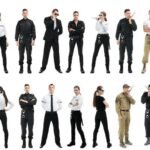
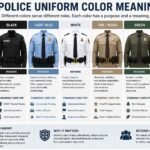
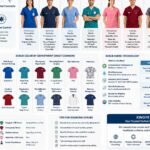
Most hotels use a color-coded system — housekeeping wears a different color than front desk, maintenance, or food service. This helps guests identify who to ask for what. Common housekeeping colors: navy, grey, black, maroon, teal.
What Fabric Should Housekeeping Uniforms Be Made Of?
This is where most uniform programs get it wrong. Housekeeping uniforms face conditions that destroy regular clothing in weeks.
The job does this to fabric:
| Condition | Effect on Fabric |
|---|---|
| 6-8 hours of continuous wear | Fabric stretches, pills, and loses shape |
| Frequent bending and kneeling | Seam stress at crotch, knee, and shoulder |
| Contact with bleach and cleaning chemicals | Color fade, fiber degradation, yellowing |
| Industrial laundry at 75-80°C | Shrinkage, seam fraying, color loss |
| High heat in laundry rooms | Fabric breakdown, elastic fatigue |
| Friction from cart pushing | Abrasion at hip, thigh, and pocket edges |
The best fabric for housekeeping uniforms is polyester-cotton blend (TC) or polyester-viscose (TR), in a twill weave.
| Fabric | Why It Works | Why Not Something Else |
|---|---|---|
| TC 65/35 (poly-cotton) | Breathable, comfortable against skin, affordable, holds up to bleach better than cotton | 100% cotton shrinks and fades too fast |
| TR 65/35 (poly-viscose) | Better drape, wrinkle-resistant, looks sharper through a full shift | Less breathable than TC in hot environments |
| CVC 60/40 (cotton-rich poly-cotton) | More natural feel than TC, better moisture absorption | Less wrinkle-resistant, higher shrinkage |
What to avoid for housekeeping uniforms:
- 100% cotton — shrinks 5-8% after a few industrial washes, fades visibly, wears out in 20-30 cycles
- 100% polyester — uncomfortable against skin in hot environments, looks cheap, traps odors
- Heavy fabrics above 300 GSM — too hot for active work, restricts movement
- Light fabrics below 180 GSM — too thin, shows wear quickly, not opaque when bending
Recommended fabric weight for housekeeping: 200-260 GSM twill.
Key Features a Housekeeping Uniform Needs
Not every uniform shirt is a good housekeeping uniform. Here's what to look for:
Pockets that actually hold things. Housekeepers carry room spray, trash bags, rags, a phone, and a key card. At minimum: two hip pockets on pants, one chest pocket on the top. Bonus: a utility pocket on the thigh or a loop for a key reel.
Reinforced seams at stress points. The crotch seam, armhole, and hip pockets are the first to fail under housekeeping movement patterns. Double-stitched or triple-stitched at these points adds months to garment life.
A fit that covers when bending. Housekeepers bend forward constantly — making beds, cleaning under furniture, picking up items from the floor. The uniform top should be long enough (28+ inches in the back) to stay tucked when reaching. Pants should have enough room in the seat and thigh to prevent seam stress.
Wrinkle resistance. Housekeeping shifts start early. Most staff don't have time to iron. A poly-cotton or poly-viscose twill comes out of the dryer looking presentable with minimal touch-up.
Color fastness against bleach. Bleach and peroxide-based cleaners destroy color. Dark uniforms (navy, black, charcoal) hide stains better and last longer visually than light colors. If light colors are required for branding, specify chlorine-resistant fabric treatment.
The Complete Housekeeping Uniform by Role
| Role | Typical Uniform | Why |
|---|---|---|
| Room attendant | Polo or tunic + straight-leg pants + apron | Mobility for making beds, cleaning bathrooms, vacuuming |
| Public area cleaner | Polo + pants + high-vis vest (in some hotels) | Moving through public spaces — needs to look presentable for guest-facing areas |
| Laundry attendant | Short-sleeve button-up or polo + pants | Heat management — laundry rooms run 35-40°C |
| Housekeeping supervisor | Button-up shirt or blouse + trousers + blazer (optional) | More formal appearance, distinction from room attendants |
| Hotel housekeeping manager | Full professional uniform (often matches front office) | Represents the department in guest-facing situations |
Summer vs Winter — Seasonality in Housekeeping Uniforms
| Season | Fabric Adjustment | Why |
|---|---|---|
| Summer | Lighter weight (180-220 GSM), short sleeves, breathable TC or CVC | Housekeeping is physical work — overheating is a real risk |
| Winter | Standard weight (240-260 GSM), long sleeves, optional fleece jacket layer | Hotel corridors are often cold; laundry rooms are hot — layers matter |
The layer system that works:
- Base: Short-sleeve polo or tunic (year-round)
- Layer: Long-sleeve uniform shirt or fleece jacket (winter or cold corridors)
- Outer: Apron or vest (adds pocket space, protects uniform underneath)
How Much Does a Housekeeping Uniform Cost?
Cost varies by quality, quantity, and customization. Here are realistic ranges for bulk orders (100+ units):
| Quality Level | Cost Per Set (Top + Pants) | Expected Life |
|---|---|---|
| Economy (thin poly-cotton, basic stitching) | ¥80-120 / set | 20-30 washes |
| Standard (200-240 GSM TC twill, reinforced seams) | ¥120-180 / set | 40-60 washes |
| Premium (240-260 GSM TR twill, anti-pill, stain-resistant) | ¥180-250 / set | 60-100 washes |
The real cost isn't the purchase price — it's the cost per wear. A ¥120 standard set lasting 60 washes costs ¥2 per wear. A ¥250 premium set lasting 100 washes costs ¥2.50 per wear. The cheaper set that fails at 30 washes costs ¥4 per wear — double the premium set's cost per wash cycle.
What Do Housekeepers Wear in Different Countries?
| Country / Region | Common Housekeeping Uniform | Cultural/Legal Note |
|---|---|---|
| United States | Polo shirt or tunic + pants (no apron on many brands) | OSHA requires non-slip shoes, closed-toe |
| Europe | Tunic + trousers, often with full apron | EU laundry chemical regs require bleach-resistant fabrics |
| Middle East | Longer tunic, looser fit, often headscarf accommodation | Modesty requirements affect cut and length |
| Asia | Coordinated set (top + pants + apron), often branded | High humidity requires fast-dry fabrics |
| Australia | Polo + shorts + pants option (short pants are common in warm months) | Climate-driven, shorts are acceptable in many hotels |
Frequently Asked Questions
Q: Why do housekeepers wear aprons? A: Aprons serve two purposes: pockets for tools (rags, spray, gloves, trash bags) and protection for the uniform underneath. A full apron can extend the time between uniform replacements by protecting the front panel from bleach stains and wear.
Q: Can housekeepers wear shorts? A: Only in some climates and settings. In most formal hotels, pants are required for a professional appearance. In warm climates or budget properties, knee-length shorts may be acceptable as part of a coordinated uniform.
Q: What color do housekeepers usually wear? A: The most common housekeeping colors are navy, black, charcoal, maroon, and teal. These colors hide stains better than light colors and maintain a professional appearance between washes.
Q: How many uniform sets should a housekeeper have? A: Typically 3-5 sets per person. One being worn, one in the laundry, and one or two as backup. Large hotel chains often supply 5 sets to ensure staff never run out between laundry cycles.
Q: What shoes do housekeepers wear? A: Non-slip, closed-toe, oil-resistant soles. Slip-resistant shoes are the single most important safety item for housekeeping staff — wet floors are the leading cause of injuries in this role.
How to Choose a Housekeeping Uniform Supplier
If you're buying housekeeping uniforms for a hotel or cleaning company, verify these before ordering:
- Fabric spec — TC 65/35 or TR 65/35 at minimum. CVC if budget allows. No 100% cotton. No 100% poly.
- GSM — 200-260 for year-round use. Lighter for summer. Heavier for winter.
- Wash test report — Ask for shrinkage (<3%) and color fastness after 20 industrial washes.
- Reinforced seams — Double-stitched at crotch, armhole, hip pockets. Triple-stitched at stress points.
- Bleach resistance — Chlorine bleach exposure is inevitable in housekeeping. Verify fabric treatment.
- Sizing range — Housekeeping staff have diverse body types. Need XS-3X at minimum.
Get a Quote — Housekeeping Uniforms
XINGYE TEXTILE manufactures housekeeping uniforms for hotels, resorts, and cleaning companies worldwide. TC 65/35 twill, 240 GSM, reinforced seams, industrial laundry rated. Custom colors — match your brand's housekeeping program. Logo embroidery and screen printing available.
Minimum order: 500 pcs per color/size. Sample-first ordering available.