The Right Gear Makes the Difference Between a Good Shift and a Dangerous One
A warehouse worker's clothing is not a fashion choice. It's safety equipment. The wrong shirt can get caught in a conveyor belt. The wrong pants can tear on a pallet corner. The wrong shoes can slip on a wet warehouse floor and send someone to the ER.
Warehouse work involves lifting, bending, climbing, walking on concrete for 8-12 hours, operating machinery, and working in environments that range from freezing cold storage to un-airconditioned summer heat. The clothing has to protect the worker, survive the abuse, and still be comfortable enough to wear every day.
This guide covers what warehouse workers wear, what fabrics work best, the different clothing needs for different warehouse roles, safety requirements, and how to choose warehouse uniforms that last.
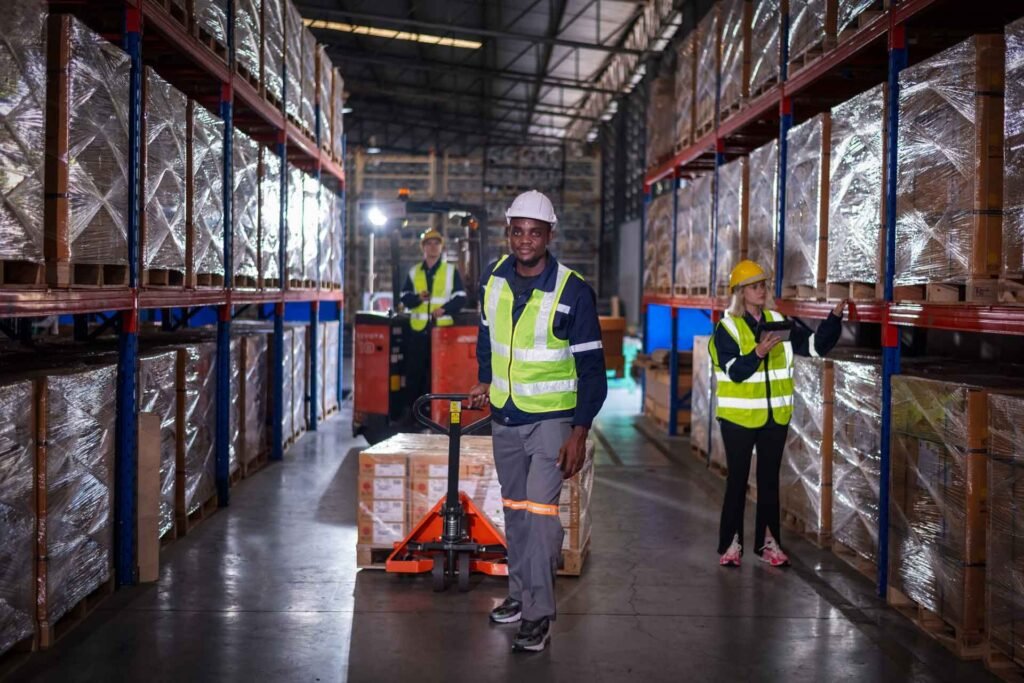
what do warehouse workers wear
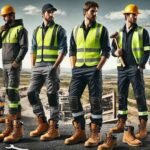
The Standard Warehouse Uniform — What Most Workers Wear
| Garment | Typical Style | Why |
|---|---|---|
| Shirt | T-shirt, polo, or button-front work shirt | Comfortable, breathable, range of motion for lifting and reaching |
| Pants | Work pants, cargo pants, or jeans | Durable, pockets for tools, coverage when bending and kneeling |
| Boots / shoes | Steel-toe or composite-toe boots, slip-resistant | Safety requirement — protection from falling objects and slips |
| Hi-vis vest or shirt | ANSI Class 2 or Class 3 reflective vest (where required) | Visibility — required near moving vehicles and equipment |
| Outerwear | Hoodie, work jacket, or insulated vest (seasonal) | Temperature control in unheated or refrigerated warehouses |
| Gloves | Cut-resistant, grip gloves | Hand protection for handling boxes, pallets, and materials |
| Hat / cap | Baseball cap, bump cap, or hard hat | Head protection — bump cap for low clearance areas, hard hat for overhead hazards |
Not every warehouse requires every item. The specific gear depends on the type of warehouse, the materials handled, and the safety regulations in place.
Warehouse Roles — Different Jobs, Different Clothing Needs
| Role | Key Clothing Requirements | Why |
|---|---|---|
| Picker / packer | Comfortable, breathable shirt and pants, good footwear | Walking 5-10 miles per shift on concrete floors. Needs mobility and comfort |
| Forklift operator | Fitted clothing (no loose sleeves or hoodie strings), hi-vis vest | Loose clothing can catch on forklift controls or nearby racks |
| Loader / unloader (dock) | Durable pants, reinforced knees, hi-vis vest, steel-toe boots | Heavy lifting, kneeling, climbing in and out of trailers |
| Order selector | Breathable layers, knee pads (optional), good grip gloves | Cold storage + active lifting. Needs temperature regulation |
| Receiver / putaway | Durable pants, comfortable shirt, steel-toe boots | Lifting, climbing racks, operating power equipment |
| Warehouse supervisor | Clean, professional look — polo or button-up + work pants | Supervisory role — needs to look professional while still being practical |
| Inventory / auditor | Comfortable clothing, steel-toe boots (required on warehouse floor) | Walking the floor all day, climbing racks, counting stock |
What Fabric Is Best for Warehouse Workwear?
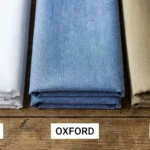
Warehouse clothing faces constant abuse: abrasion from boxes and pallets, sweat from physical labor, frequent washing, and occasional exposure to dust, grease, and chemicals.
| Fabric | Best For | Why |
|---|---|---|
| TC 65/35 Twill (240-280 GSM) | Work pants, work shirts — the most common warehouse fabric | Durable, wrinkle-resistant, breathable, affordable, industrial laundry safe |
| Cotton-poly jersey (200-240 GSM) | T-shirts, polos | Comfortable, breathable, stretchy, easy care |
| 50/50 Nylon-Cotton Ripstop | Heavy-duty work pants | Tear-resistant, abrasion-resistant, quick-dry — for the toughest jobs |
| Canvas / duck cotton (300-400 GSM) | Aprons, heavy-duty work pants | Maximum abrasion resistance, stiff, heavy |
| 100% Cotton (treated) | T-shirts, summer work shirts | Natural feel, breathable — but shrinks and fades faster than blends |
| High-visibility polyester (ANSI rated) | Safety vests, hi-vis t-shirts | Fluorescent colors + reflective tape for compliance |
What to avoid for warehouse clothing:
- 100% Polyester shirts — can melt if exposed to high heat, traps odors, uncomfortable in hot warehouses
- Loose-fitting or baggy clothing — safety hazard near moving equipment
- Thin fabrics under 180 GSM — wear through quickly in high-friction environments
- Fabric without stretch — restricts movement for lifting and reaching
Tops — What Warehouse Workers Wear on Top
T-shirts are the most common choice for warehouse work. They're comfortable, breathable, and allow full range of motion. A mid-weight cotton-poly blend (200-240 GSM) is ideal — breathable enough for active work but durable enough to survive weekly washing.
Polo shirts are worn in warehouses with a more professional dress code or by supervisors and office staff who spend time on the floor. A poly-cotton polo with a collar looks more professional than a t-shirt but is just as practical.
Work shirts (button-front) are worn in some warehouse environments, particularly by maintenance staff, supervisors, and in more formal distribution centers. A TC 65/35 twill work shirt with two chest pockets and pen slots is the standard.
Hi-vis t-shirts or polos are required in any warehouse where workers share space with forklifts, pallet jacks, or other moving vehicles. ANSI Class 2 or Class 3 depending on the specific risk level.
Pants — The Most Important Piece of Warehouse Clothing
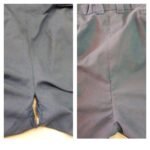
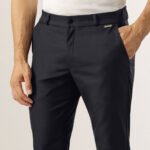
Warehouse pants take more abuse than any other garment. They need to survive kneeling on concrete, scraping against pallets, and supporting the weight of tools in the pockets — while still being comfortable enough for 10-hour shifts on your feet.
| Pant Feature | Why It Matters |
|---|---|
| Reinforced knees | Kneeling on concrete wears through standard pant knees in weeks. Double-layer knees or knee pad pockets extend pant life 3-5x |
| Cargo pockets | Hold tape gun, box cutter, gloves, phone, marker, label gun |
| Reinforced seat | Sitting on forklift seats, pallets, and dock edges wears the seat area quickly |
| Gusseted crotch | Full range of motion for climbing, squatting, and lifting without seam stress |
| Boot-cut or straight leg | Covers the boot top, prevents debris from entering the boot |
| Elastic waist or adjustable waistband | Comfort during long shifts with bending and reaching |
| Slightly roomy fit | Not baggy (safety hazard), but not tight (restricts movement) |
The best fabric for warehouse pants: TC 65/35 twill, 260-300 GSM, or 50/50 nylon-cotton ripstop for heavy-duty roles.
Footwear — The Most Important Safety Item
Warehouse workers spend 8-12 hours per day on concrete floors. The wrong footwear causes fatigue, back pain, and injuries.
| Footwear Requirement | Why |
|---|---|
| Steel-toe or composite-toe | Protection from falling boxes, pallets, and equipment. Composite toe is lighter and does not conduct cold or heat |
| Slip-resistant sole | Warehouse floors can be wet, dusty, or greasy. Slips are one of the most common warehouse injuries |
| Oil-resistant sole | Protects the sole from deterioration in environments with oil or chemical exposure |
| Comfortable insoles | Concrete is unforgiving. Quality insoles reduce fatigue significantly |
| Ankle support | Prevents rolled ankles when walking on uneven surfaces or climbing |
| Lace-up or pull-on | Lace-up provides better support. Pull-on is faster to put on and remove |
Tip: Warehouse boots should be replaced every 6-12 months depending on usage. Worn-out soles lose slip resistance.
Hi-Vis Clothing — When It's Required
| ANSI Class | Minimum Reflective Material | Typical Use |
|---|---|---|
| Class 2 | 201 square inches (background) + 201 square inches (reflective) | Warehouse workers who share space with moving vehicles operating under 25 mph |
| Class 3 | 310 square inches (background) + 310 square inches (reflective) | Workers in high-risk areas — loading docks, areas with fast-moving vehicles, nighttime operations |
Most warehouses require Class 2 hi-vis as a minimum. Loading dock and yard operations may require Class 3.
Hi-vis options:
- Vest over regular clothing (easiest, most common)
- Hi-vis t-shirt or polo (for warm environments)
- Hi-vis work jacket (for cold environments)
- Hi-vis pants or bibs (for maximum visibility)
Layering for Temperature Control
Warehouses are not climate-controlled year-round. Freezer/cooler warehouses are kept at 0-10°C. Non-temperature-controlled warehouses can reach 40°C+ in summer. Workers need to layer:
| Layer | Purpose | Recommended Fabric |
|---|---|---|
| Base layer (t-shirt or long-sleeve) | Moisture management, comfort next to skin | Cotton-poly blend or performance moisture-wicking fabric |
| Mid layer (optional, for cold) | Insulation | Polar fleece or insulated vest (not bulky — must not restrict movement) |
| Outer layer (shirt or jacket) | Protection, professional appearance, hi-vis | TC twill work shirt or hi-vis jacket |
| Pants | Durability, protection | TC twill or ripstop work pants |
For freezer/cooler work: Insulated bibs and parka rated for the specific temperature. Layer under the hi-vis vest.
How Many Sets of Workwear Does a Warehouse Worker Need?
| Items Per Person | Scenario |
|---|---|
| 5-7 shirt/pant sets | Standard — one per day for a full week, plus backup |
| 3-5 hi-vis vests | Vests get dirty quickly and need rotation |
| 2-3 pairs of boots | Rotate between days to let boots dry completely, extending life |
| 4-6 pairs of gloves | Gloves wear out fast — need frequent replacement |
Seasonal Considerations
| Season | Clothing Adjustment | Why |
|---|---|---|
| Summer | Lighter fabrics (cotton-poly jersey, 180-220 GSM), short sleeves, breathable hi-vis | Warehouses can reach 35-40°C. Heat stress is a real risk |
| Winter (non-heated warehouse) | Long sleeves, insulated vest or jacket, thermal base layer | Unheated warehouses can drop to near-outdoor temperatures |
| Winter (cold storage) | Full cold-rated gear — insulated bibs, parka, thermal base, insulated boots | Freezer work requires specific PPE — standard clothing is insufficient |
| Rainy season | Water-resistant outer layer, non-slip boots | Loading docks and outdoor yard areas get wet and slippery |
Safety Regulations That Affect Warehouse Clothing
- OSHA 1910.132 — General PPE requirements. Employers must assess workplace hazards and provide appropriate protective equipment
- OSHA 1910.136 — Foot protection. Requires protective footwear when there is risk of foot injury from falling objects or piercing
- OSHA 1910.137 — Electrical protective equipment (relevant for workers near electrical panels or equipment)
- ANSI/ISEA 107 — High-visibility safety apparel. Standards for Class 2 and Class 3 hi-vis
- ASTM F2413 — Standard for protective footwear (steel/composite toe)
- ASTM D6413 — Vertical flame resistance test for FR clothing (if required)
How to Choose Warehouse Workwear — A Buyer's Checklist
If you're buying workwear for a warehouse team, verify these before ordering:
- Fabric — TC 65/35 or 50/50 nylon-cotton ripstop. 240-300 GSM for pants. 180-240 GSM for shirts
- Fit — Not baggy (safety hazard), not tight (restricts movement). Room in the seat and thigh for bending
- Reinforced stress points — Double-stitched or triple-stitched at crotch, seat, pocket corners, belt loops
- Knee reinforcement — Double-layer knee or knee pad pocket for workers who kneel
- Hi-vis compliance — ANSI Class 2 minimum. Verify reflective tape placement
- Wash test — Shrinkage <3%, color fastness 4+ after 20 washes
- Sizing range — XS to 4X minimum. Diverse body types
- Pockets — Minimum 2 cargo pockets on pants, 1 chest pocket on shirt
Frequently Asked Questions
Q: Why do warehouse workers wear hi-vis vests? A: Hi-vis vests make workers visible to forklift operators, pallet jack drivers, and other vehicle operators. Most warehouse accidents involving vehicles happen because the driver did not see the pedestrian worker.
Q: Can warehouse workers wear shorts? A: Most warehouses require long pants for safety reasons — protection from cuts, scrapes, and splashes. Some warehouses allow shorts in non-hazardous areas during hot weather, but this is the exception rather than the rule.
Q: Do warehouse workers need steel-toe boots? A: Yes, in most warehouses. OSHA requires protective footwear where there is a risk of foot injury from falling objects, rolling objects, or piercing. A dropped pallet or box can crush an unprotected foot.
Q: What should warehouse workers wear in cold storage? A: Insulated bibs and parka rated for the specific temperature. Thermal base layer. Insulated, slip-resistant boots. Gloves rated for cold. Hi-vis vest over the outer layer. Do not wear cotton as a base layer in cold storage — it holds moisture and makes you colder.
Q: How often should warehouse workwear be replaced? A: With quality TC fabric: shirts every 12 months, pants every 6-12 months (pants wear faster), boots every 6-12 months, hi-vis vests when reflective tape delaminates or becomes dirty.
Get a Quote — Warehouse Workwear and Uniforms
XINGYE TEXTILE manufactures warehouse workwear for distribution centers, logistics companies, and industrial facilities. TC 65/35 twill pants with reinforced knees and cargo pockets. TC work shirts with chest pockets and pen slots. Hi-vis vests and hi-vis t-shirts — ANSI Class 2 and Class 3. Custom colors, custom sizing, logo embroidery available.
Industrial laundry rated. Factory direct pricing.
Minimum order: 500 pieces per color/size. Sample-first ordering available.