If Cotton Is So Comfortable, Why Doesn't Baseball Use It?
Cotton is everywhere. Your undershirt is cotton. Your jeans are cotton. Your gym towel is cotton. So why does a baseball player step onto the field in a polyester jersey that feels nothing like the t-shirt you wear to the grocery store?
The short answer: cotton is dangerous on a baseball field, and polyester saves careers.
That sounds dramatic. But here's what happens when a professional baseball player wears a cotton jersey:
- He sweats 2-3 liters during a game. Cotton absorbs that sweat and holds it against his skin — adding 1-2 pounds of water weight to the jersey by the 7th inning.
- He slides into second base. The cotton jersey catches the dirt, holds it, and the moisture turns the fabric into sandpaper against his arm.
- He dives for a line drive. The wet cotton jersey grabs the grass instead of sliding across it — increasing the risk of shoulder and elbow strain.
- He wears that same jersey tomorrow. Cotton can't be washed hot enough to kill the staph bacteria that lives in sweat-soaked fabric, and clubhouse infections spread through shared uniforms.
Polyester solves every one of these problems. That's why Major League Baseball switched to polyester jerseys in the 1970s, and no team has looked back since.

why are baseball uniforms not cotton
Rule 1: Sweat Management — Cotton Holds Water, Polyester Doesn't
Cotton absorbs 25x its own weight in water. A dry cotton jersey weighs about 250 grams. A sweat-soaked cotton jersey after 9 innings weighs 1.5-2 kg. That's three pounds of extra weight the player carries every time he runs the bases.
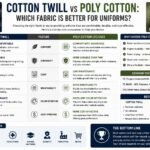
| Fabric | Water Absorption | Weight When Dry (Jersey) | Weight When Sweat-Saturated |
|---|---|---|---|
| Cotton | 25x own weight | ~250g | 1.5 - 2 kg |
| Polyester | <0.4% of own weight | ~200g | ~200g (essentially unchanged) |
A polyester jersey wicks moisture through the fibers and evaporates it on the surface. The player stays dry. The jersey stays light. The fabric doesn't stick to the body during a swing or a throw.
'But cotton is breathable' — yes, dry cotton is breathable. Wet cotton is not. The absorbed water fills the air gaps between fibers, and breathability drops to near zero. Polyester maintains its breathability wet or dry because the fibers themselves don't absorb water.
Rule 2: Performance Under Movement — Wet Cotton Abrades Skin
A baseball uniform is not a desk job uniform. Players slide, dive, roll, and hit the dirt dozens of times per game. Every time a cotton jersey contacts the ground wet, it acts like a low-grit sandpaper on the skin underneath.
The mechanism is simple:
- Cotton fibers swell when wet (up to 40% in diameter)
- The swollen fibers trap dirt and clay particles in the weave
- When the player slides, the dirt-loaded wet fabric grinds against the skin
- Result: abrasions, turf burn, and raw elbows
Polyester fibers do not swell when wet. They repel water. Dirt and clay slide off rather than embedding in the weave. A polyester jersey slides across the dirt instead of grabbing it.
| Scenario | Cotton Jersey | Polyester Jersey |
|---|---|---|
| Head-first slide | Fabric grabs dirt, wet cotton abrades forearm | Fabric slides, minimal dirt pickup |
| Diving catch | Jersey catches grass, shoulder strain higher | Glides across surface, reduced resistance |
| Running in rain | Jersey gains 2-3 lbs, chafing at collar and arms | No weight gain, no chafing |
Rule 3: Heat Regulation — Cotton Insulates When Wet, Polyester Cools
A baseball game in July at 35°C with 70% humidity is a heat injury waiting to happen. The body cools itself by sweating — sweat evaporates from the skin, carrying heat away. But evaporation only works if the sweat can leave the skin surface.
A wet cotton jersey blocks evaporation. The sweat is absorbed into the cotton fibers and held there, away from moving air. The body keeps producing sweat, but it can't evaporate. Core temperature rises. This is how heat exhaustion happens.
Polyester keeps the sweat on the surface of the fiber, where air movement can evaporate it. The cooling effect is active — the player stays 2-3°C cooler in a polyester jersey than in cotton under the same conditions.
| Condition | Cotton Jersey Effect | Polyester Jersey Effect |
|---|---|---|
| 35°C, high humidity | Fabric saturates in 20 min. Core temp rises. Player risks heat cramp | Moisture evaporates continuously. Core temp stable |
| Cold weather game (10°C) | Wet cotton jersey becomes a cold compress against skin. Risk of muscle stiffness | Fabric stays dry. Insulation maintained |
| Night game with breeze | Wet cotton + breeze = rapid cooling + shivering | No wet fabric, no chill effect |
Rule 4: Infection Control — Cotton Can't Be Sanitized Effectively
This is the one most fans never think about. Baseball uniforms are shared. Minor league teams often share jerseys. Even in the majors, uniforms go through industrial laundry together.
Cotton requires lower wash temperatures — high heat damages cotton fibers, causes shrinkage, and breaks down the fabric structure. Most cotton uniforms are washed at 40-50°C.
Staph aureus (MRSA) and other skin bacteria survive at 40-50°C. The CDC recommends 71°C minimum for sanitizing laundry. Polyester can be washed at 75-80°C without damage. Cotton cannot.
| Wash Factor | Cotton | Polyester |
|---|---|---|
| Max wash temperature | 50°C (above this = shrinkage + fiber damage) | 80°C (no damage, full sanitization) |
| Bactericidal effect at max temp | Partial — some bacteria survive | Full — 99.9% pathogen kill |
| Industrial laundry life | 20-30 cycles before visible wear | 80-100+ cycles |
| Bleach tolerance | Damages fiber, yellowing | Chlorine bleach safe |
Teams that switched to polyester saw measurable reductions in skin infections, particularly in minor league and college programs where uniforms are more frequently shared.
Rule 5: Color and Branding — Cotton Fades, Polyester Holds
Baseball jerseys are not simple t-shirts. They carry team colors, player names, numbers, sponsor logos, and sometimes sublimated patterns. The fabric has to hold those graphics through 50+ washes at high temperature.
Cotton accepts dye well — that's why it feels soft. But it releases dye just as easily. After 20-30 hot washes, a cotton jersey's team colors have visibly faded, and the white numbers have yellowed from bleach exposure.
Polyester fibers are dyed at the molten stage (solution-dyed) or printed with sublimation ink that bonds at the molecular level. The color is inside the fiber, not on the surface. It does not fade, does not yellow, and does not wash out.
| Detail | Cotton Jersey | Polyester Jersey |
|---|---|---|
| Number/name durability | Heat-pressed vinyl cracks after 15-20 washes | Sublimated ink lasts the life of the garment |
| Team color fade | Visible after 20-30 washes | No visible change after 50+ washes |
| White retention | Yellowing from bleach after 15 washes | No yellowing |
| Cost per jersey over 2 seasons | Replace once mid-season due to appearance loss | One jersey lasts 2+ seasons |
So What About 'Vintage' Cotton Baseball Jerseys?
Those replica cotton jerseys you buy at the team store? They're not the same thing players wear. The fan jersey is designed for comfort at home or in the stands. It's not designed to survive a 162-game season with industrial laundry.
The cotton jersey you buy for $120 at MLB Shop is:
- Made from ringspun cotton for softness
- Designed for occasional wear, not daily use
- Washed in cold water and hung to dry by its owner
- Replaced when it fades — usually after one season
The polyester jersey a player wears is:
- Made from high-tenacity polyester filament
- Designed for 50+ industrial laundry cycles
- Washed at 75°C, dried at high heat
- Worn for 80-100 games before replacement
They look similar. They perform nothing alike.
What This Means for Your Team's Uniforms
If you're buying uniforms for a school team, amateur league, or recreational program, you face the same decision the MLB did 50 years ago. The choice isn't really about comfort — it's about what happens to the uniform in the 5th inning.
If you buy cotton jerseys:
- Players will be carrying 2-3 lbs of extra water weight by mid-game
- Abrasions from sliding will be worse
- Jerseys will fade noticeably within a season
- Hot washes and bleach will shorten garment life
If you buy quality polyester jerseys:
- Players stay dry, cool, and light
- Jerseys survive the season without fading or shrinking
- Colors stay consistent across the team for multiple seasons
- You replace fewer uniforms per year
Frequently Asked Questions
Q: Weren't old baseball uniforms made of cotton flannel? A: Yes — from the 1800s through the 1950s. Players wore heavy wool flannel in the early days, then cotton flannel. They also changed uniforms multiple times per game because the fabric became unwearable when wet. Polyester eliminated that problem.
Q: Why do some 'authentic' replica jerseys still use cotton? A: Consumer replica jerseys prioritize hand feel over performance. The buyer tries it on in an air-conditioned store, it feels soft, they buy it. The actual on-field jersey is always high-performance polyester.
Q: What about cotton-polyester blends? A: Common in practice jerseys and BP (batting practice) tops. A 50/50 or 65/35 poly-cotton blend offers some breathability with better moisture management than pure cotton. But for game jerseys, high-performance polyester remains the standard.
Q: Can I wash a cotton jersey the same way as polyester? A: No. Cotton shrinks and fades at high temperatures. Polyester handles industrial wash cycles. If you mix them in the same load at 75°C, the cotton items will be ruined.
Get a Quote — Baseball Uniform Jerseys
XINGYE TEXTILE manufactures baseball uniform jerseys in high-performance polyester — moisture-wicking, fade-resistant, industrial laundry rated. Custom team colors, sublimated numbers and names, bulk pricing for school teams, leagues, and club programs.
20+ years of uniform manufacturing. 50+ countries. Fabric-to-garment vertical integration — we control the spec from fiber to finished jersey.
Tell us your quantity, colors, sizes, and whether you need sublimated numbers and logos. We'll send pricing and lead time within 24 hours.