BDU stands for Battle Dress Uniform. It is a type of military-style uniform originally developed for combat training and field operations. BDU uniforms are known for their durable fabrics, camouflage patterns, reinforced construction, and practical pocket design for demanding environments.
Although BDU uniforms were first created for military use, they are now widely used by security personnel, tactical teams, outdoor workers, law enforcement, and industrial professionals who need durable and functional workwear.
In this guide, we’ll explain what BDU means, what a BDU uniform is, its main features, common uses, and why BDU clothing remains popular today.
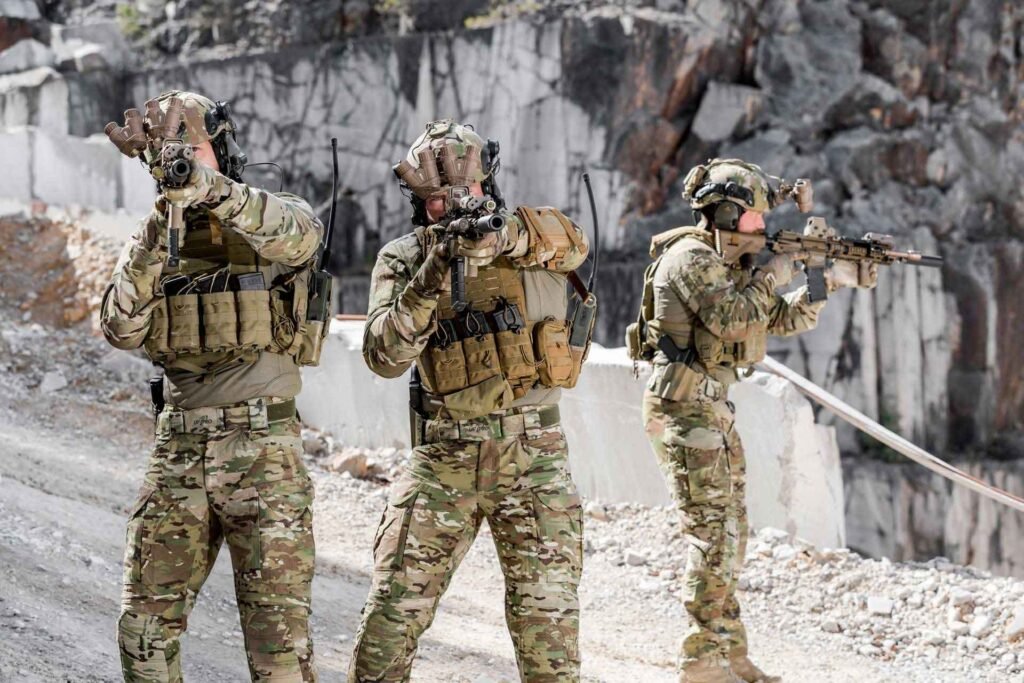
what are bdu
What Is a BDU Uniform?
A BDU uniform is a military-style uniform designed for durability, functionality, and comfort in rugged working environments.
Traditional BDU uniforms usually include:
- A BDU jacket or shirt
- Matching BDU pants
- Camouflage or solid-color patterns
- Multiple utility pockets
- Reinforced stitching
BDUs were originally designed to help military personnel operate effectively in outdoor and combat conditions. Over time, the practical design also made them popular in many civilian industries.
Today, BDU-style uniforms are commonly used in:
- Security services
- Tactical training
- Outdoor work
- Law enforcement
- Survival activities
- Industrial field operations
What Does BDU Stand For in Military Clothing?
In military clothing, BDU stands for Battle Dress Uniform.
The term refers to a standardized combat uniform developed for field use rather than formal military appearance.
BDU uniforms were designed to provide:
- Better durability
- Camouflage protection
- Comfortable movement
- Functional storage
- Practical field performance
Compared to traditional military dress uniforms, BDUs focus more on operational performance than ceremonial appearance.
What Are the Main Features of BDU Uniforms?
BDU uniforms are designed for practical use in physically demanding environments.
Several features make them different from regular workwear.
Durable Fabric Construction
One of the most important features of BDU uniforms is fabric durability.
Many BDU uniforms use:
- Ripstop fabrics
- Polyester-cotton blends
- Heavy-duty woven materials
These fabrics help improve:
- Tear resistance
- Abrasion resistance
- Long-term durability
Durable fabric construction is especially important for outdoor and tactical work.
Multiple Utility Pockets
BDU uniforms are known for their functional pocket design.
Most BDU pants and jackets include:
- Large cargo pockets
- Chest pockets
- Reinforced storage areas
These pockets allow users to carry tools, equipment, or personal items more conveniently during field operations.
Camouflage Patterns
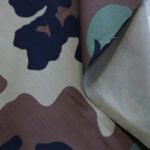
Traditional BDU uniforms commonly use camouflage patterns designed for outdoor environments.
Popular camouflage styles include:
- Woodland camouflage
- Desert camouflage
- Digital camouflage
- Tactical solid colors
Camouflage helps improve concealment in military and outdoor environments.
Reinforced Stitching
BDU uniforms are designed for demanding movement and heavy use.
Reinforced seams and stitching help improve:
- Strength
- Durability
- Long-term wear performance
This makes BDUs suitable for physically demanding jobs and outdoor activities.
Who Uses BDU Uniforms Today?
Although BDU uniforms originated in the military, they are now used in many industries and activities.
Military Personnel
BDUs were originally developed for military training and field operations.
Many military organizations later replaced traditional BDUs with newer combat uniform systems, but BDU-style clothing is still widely recognized.
Security Companies
Security personnel often wear BDU-style uniforms because they appear professional, durable, and functional.
Security uniforms commonly use:
- Solid black
- Navy blue
- Tactical green
instead of traditional camouflage patterns.
Tactical and Law Enforcement Teams
Some tactical teams and training organizations use BDU-style uniforms because of their durability and practical design.
The multiple pockets and rugged construction are useful for carrying equipment during field operations.
Outdoor and Industrial Workers
Outdoor workers and industrial professionals may also wear BDU-style clothing because it performs well in rugged conditions.
These uniforms are often chosen for:
- Durability
- Comfort
- Utility storage
- Easy movement
What Fabric Is Used for BDU Uniforms?
Fabric selection is extremely important for BDU uniforms because they are designed for demanding environments.
Ripstop Fabric
Ripstop fabric is one of the most common materials used in BDU uniforms.
Ripstop fabrics are designed with reinforced weaving patterns that help prevent small tears from spreading.
Benefits include:
- High durability
- Lightweight performance
- Improved tear resistance
Polyester-Cotton Blends
Many BDU uniforms use polyester-cotton blends because they combine:
- Durability
- Breathability
- Easy maintenance
- Faster drying performance
These blended fabrics are widely used in both military and industrial workwear.
Heavy-Duty Cotton Fabrics
Some traditional BDU uniforms use heavy-duty cotton fabrics for comfort and rugged outdoor performance.
However, pure cotton may absorb more moisture and dry more slowly compared to blended fabrics.
BDU vs Modern Tactical Uniforms
Modern tactical uniforms have evolved from traditional BDU designs.
Compared to older BDU uniforms, modern tactical clothing may include:
- Lighter fabrics
- Improved moisture management
- Stretch materials
- Advanced pocket systems
- Ergonomic construction
However, traditional BDU uniforms remain popular because of their:
- Simplicity
- Durability
- Proven functionality
- Cost-effectiveness
Many users still prefer classic BDU designs for work and outdoor activities.
Why Are BDU Uniforms Still Popular?
BDU uniforms remain popular because they are practical, durable, and versatile.
People continue to choose BDU-style clothing for:
- Outdoor work
- Tactical activities
- Security operations
- Rugged environments
- Everyday utility wear
The combination of durability, storage capacity, and functional design makes BDU uniforms useful in many different situations.
Frequently Asked Questions
What does BDU stand for?
BDU stands for Battle Dress Uniform.
What is a BDU uniform used for?
BDU uniforms are used for military training, tactical operations, security work, outdoor activities, and rugged industrial environments.
Are BDU uniforms military only?
No. Although BDU uniforms originated in the military, they are now widely used by security teams, tactical professionals, and outdoor workers.
What fabric are BDU uniforms made from?
Common BDU fabrics include ripstop fabric, polyester-cotton blends, and heavy-duty cotton materials.
What is the difference between BDU and ACU?
BDU stands for Battle Dress Uniform, while ACU stands for Army Combat Uniform. ACUs are newer military uniforms designed with updated camouflage patterns, lighter fabrics, and modern tactical features.
Final Thoughts
BDU uniforms were originally developed for military field operations, but their durable construction and functional design have made them popular far beyond military use.
From security teams and tactical professionals to outdoor workers and industrial users, BDU-style uniforms continue to provide reliable performance in demanding environments.
For businesses and organizations looking for durable tactical workwear, choosing the right fabric, construction quality, and uniform design is essential for long-term comfort, functionality, and performance.