Sourcing nurse scrubs for a hospital, clinic, or healthcare staffing agency involves far more than picking a color and size chart. Scrubs are a functional safety garment as much as a uniform, and procurement teams need to balance compliance, durability, comfort, and cost. Below is a guide to the key requirements to evaluate before placing a bulk order.
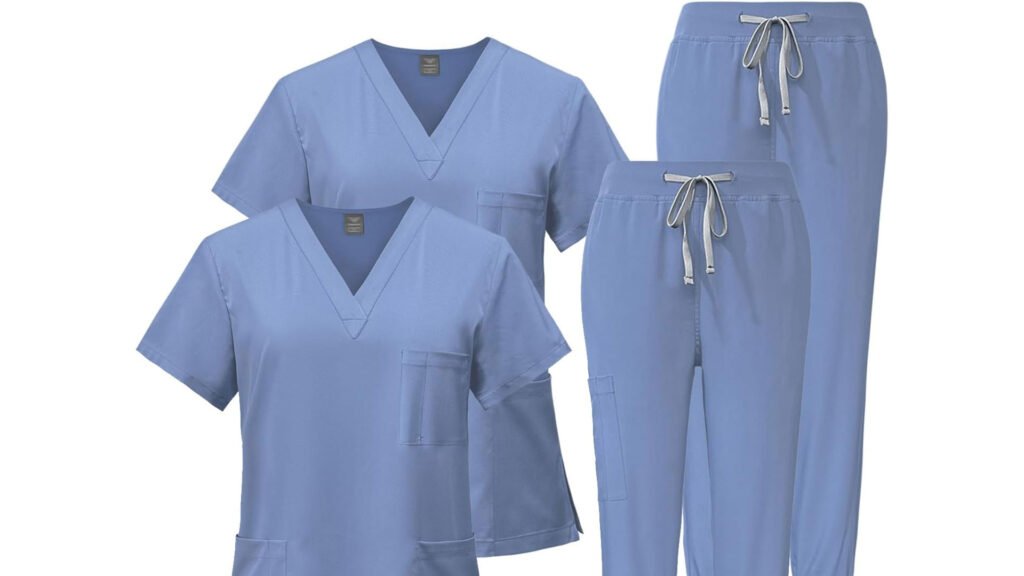
Nurse Scrub Uniform Requirements
1. Fabric Composition and Performance
The fabric is the single most important spec in scrub procurement, since it determines comfort, durability, and infection control performance.
- Poly-cotton blends (65/35 or 55/45): The industry standard. Cotton adds breathability and softness; polyester adds wrinkle resistance and shape retention.
- 100% cotton: Highly breathable but wrinkles easily and shrinks over repeated industrial laundering — less common for bulk hospital orders.
- Performance/stretch fabrics (spandex or rayon blends): Increasingly popular for comfort and range of motion during long shifts; check for durability under high-heat commercial laundering.
- Fluid-resistant or antimicrobial finishes: Important for high-exposure departments like ER, OR, and ICU. Look for fabrics treated to resist blood and fluid penetration without compromising breathability.
2. Infection Control and Compliance Standards
Depending on the department and country, scrubs may need to meet specific regulatory or institutional standards:
- AAMI PB70 (US): Classifies barrier protection levels for fluid resistance, relevant for surgical and high-risk units.
- Flame resistance: Required in some surgical or lab environments where ignition sources are present.
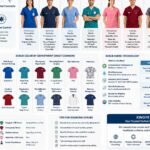
- Color-coding policies: Many hospitals assign specific scrub colors by department or role (e.g., navy for nurses, ceylon for surgeons) to help with quick visual identification — confirm your facility's internal policy before ordering.
- Antimicrobial/odor-control treatments: Increasingly requested for long-shift comfort and hygiene, though not universally mandated.
3. Fit, Sizing, and Inclusivity
A poor sizing range is one of the most common procurement failures. Requirements to check with suppliers:
- Full size range (typically XS–5XL or larger) including petite and tall options
- Unisex vs. gendered cuts — many hospitals now standardize on unisex fits with adjustable waistbands
- Maternity scrub options for pregnant staff
- Consistent sizing across style runs (a common complaint is sizing that varies batch to batch)
4. Functional Design Features
Nurses need scrubs that support the physical demands of the job. Key functional specs to request:
- Pocket configuration: Multiple pockets for phones, badges, pens, and shears — chest pockets and cargo-style pants pockets are popular
- Reinforced stitching: Especially at pocket seams and inseams, which see the most wear
- Moisture-wicking properties: For staff on their feet for 10–12 hour shifts
- Elastic or drawstring waistbands: For comfort and adjustability across body types
- Stretch panels at the knees/back: Support bending, lifting, and prolonged standing
5. Durability and Laundering Requirements
Hospital-grade scrubs are typically laundered industrially at high temperatures, which is harsher than home washing. Procurement teams should verify:
- Colorfastness after repeated industrial washing (ask for wash-cycle test data, e.g., 50+ wash cycles)
- Shrinkage tolerance (should be under 3–5%)
- Resistance to pilling and fading
- Whether the supplier offers bleach-safe or hospital-laundry-compatible fabric treatments
6. Branding and Customization
For hospital systems or staffing agencies, uniformity reinforces professionalism and brand identity:
- Embroidered logos or department names
- Consistent color palettes across supplier batches
- ID badge holders or badge reels integrated into pocket design
7. Supplier and Order Considerations
| Factor | What to Evaluate |
|---|---|
| MOQ (Minimum Order Quantity) | Ensure it aligns with department headcount and turnover |
| Lead time | Critical for onboarding new hires or seasonal staffing surges |
| Bulk pricing tiers | Negotiate volume discounts for annual contracts |
| Sample/trial program | Request samples for a pilot group before full rollout |
| Return/exchange policy | Important given sizing variability across staff |
| Sustainability certifications | Increasingly requested by hospital sustainability initiatives (e.g., OEKO-TEX certified fabrics) |
Conclusion
A well-planned scrub procurement strategy goes beyond aesthetics — it directly affects staff comfort, infection control, and day-to-day efficiency on the floor. Prioritizing fabric performance, inclusive sizing, functional design, and industrial-wash durability will help healthcare organizations select a scrub supplier that holds up under real clinical demands, not just on a spec sheet.