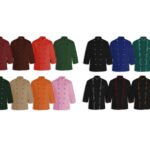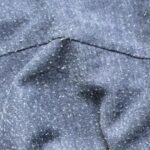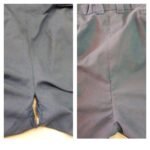
I have stood in the laundry rooms of five-star hotels and watched front-desk blazers that started as deep navy emerge from the wash cycle a patchy, grayish blue. The housekeeping uniforms that were once a rich burgundy had faded to a dull maroon after barely three months of service. The general manager blamed the laundry chemicals. The laundry manager blamed the fabric. The fabric supplier was no longer taking their calls.
After three decades of manufacturing uniform fabrics at XINGYE TEXTILE, I can tell you where the fault usually lies: the colorfastness specification was either missing from the purchase order or set to a standard that could not survive industrial laundering.
Color fading in hotel uniforms is not a cosmetic problem. It is a brand problem. When a guest sees a front-desk agent in a faded, unevenly colored blazer, it signals that the property does not pay attention to detail. For a hotel that charges premium rates, that visual cue undermines everything the brand stands for.
This guide explains the science behind color fading, how to specify fabrics that hold their color through 100+ industrial wash cycles, and why cheap fabric is almost always the most expensive option when color consistency matters.

Color Fading in Hotel Uniforms
Why Hotel Uniforms Fade Faster Than Other Workwear
Hotel uniforms face a uniquely aggressive combination of conditions that accelerate color loss.
Industrial laundering is chemically harsh. Hotel laundry facilities use high-pH detergents (typically pH 10–12) combined with chlorine-based bleach or oxygen bleach to achieve the sanitation standards expected in hospitality. These chemicals are effective at removing stains and killing bacteria. They are also effective at stripping dye molecules from fabric fibers.
Wash temperatures are high. Tunnel washers in hotel laundries operate at 75–85°C. Heat accelerates the chemical reactions that break the bonds between dye molecules and fiber polymers. Every degree of temperature increase speeds up the fading process.
Wash frequency is extreme. A hotel front-desk blazer may be washed after every shift—five to seven times per week. Over a year, that is 250 to 350 wash cycles. Most residential fabrics are tested for colorfastness after 5 to 10 washes. The difference in exposure is two orders of magnitude.
Light exposure compounds the problem. Uniforms worn in lobbies with large windows, outdoor check-in areas, or poolside positions face UV radiation that breaks down dye molecules independently of washing. The combined effect of UV exposure and chemical laundering accelerates fading beyond what either factor would cause alone.
The Chemistry of Colorfastness
Understanding why some fabrics fade while others hold their color requires a basic understanding of how dye bonds to fiber.
Dye molecules attach to fabric fibers through one of four mechanisms:
<td '=''>Fades quickly; not for industrial use
| Bond Type | Strength | Fibers | Fading Behavior |
|---|---|---|---|
| Covalent (reactive dyes) | Strongest | Cotton, rayon, linen | Resists washing; UV-sensitive |
| Ionic (acid dyes) | Strong | Nylon, wool, silk | Good wash fastness |
| Disperse (heat-bonded) | Strong | Polyester, acetate | Excellent wash and light fastness |
| Direct (van der Waals) | Weakest | Cotton, rayon |
The practical implication: A polyester fabric dyed with disperse dyes that have been heat-set at 180–200°C will hold its color far longer than a cotton fabric dyed with direct dyes, regardless of the fiber's inherent quality. The dye chemistry matters as much as the fiber itself.
Disperse Dyes on Polyester: The Gold Standard
Disperse dyes are finely ground, water-insoluble dye particles that are applied to polyester fibers under high temperature and pressure. The heat causes the polyester fibers to open their polymer structure temporarily, allowing the dye particles to penetrate deep into the fiber. When the fabric cools, the polymer chains close around the dye molecules, physically trapping them inside the fiber.
This is why polyester and polyester-blend fabrics significantly outperform cotton in color retention under industrial laundering conditions. The dye is not sitting on the surface of the fiber, where it can be chemically stripped. It is embedded within the fiber's internal structure.
Reactive Dyes on Cotton: The Next Best Option
For cotton and cellulosic fibers, reactive dyes form a covalent chemical bond with the fiber molecules. This is a true chemical reaction—the dye molecule becomes part of the fiber structure. Reactive dyes offer good wash fastness, but they are vulnerable to:
- Chlorine bleach, which attacks the chemical bond
- UV light, which breaks down the dye molecule itself
- High pH, which can reverse the dye-fiber reaction over time
Direct Dyes: The Trap for Budget Buyers
Direct dyes are the cheapest option and the most common culprit in premature fading. They attach to fibers through weak van der Waals forces—essentially, they stick to the surface rather than bonding with the fiber. A direct-dyed fabric may look perfectly acceptable in the sample stage. After 10 to 20 industrial washes, the dye begins to wash out. By 50 washes, the color shift is unmistakable.
The trap is that most buyers do not specify the dye type in their purchase order. They specify a color and a fiber blend. The supplier, seeking to minimize cost, uses direct dyes. The fabric looks right on arrival. The problem does not emerge until months later, when the uniforms are already in service.
The 2026 Regulatory Context: PFAS-Free and Color Consistency
Recent regulatory shifts have added a new variable to the colorfastness equation. The global phase-out of PFAS chemicals has eliminated many of the traditional dye fixatives and UV stabilizers that helped fabrics retain color.
Fluorocarbon-free DWR coatings, while necessary for environmental compliance, do not directly affect dye retention. However, the removal of certain auxiliary chemicals from the dyeing process means that fabric suppliers must now achieve colorfastness through better dye selection and application rather than through chemical add-ons. This rewards manufacturers with vertical control over their dye houses and penalizes traders who rely on commodity finishing.
For hotel procurement teams, this means that the cheapest fabric supplier is more likely than ever to deliver substandard colorfastness. The low price was achieved by cutting corners in the dyeing process, and those corners can no longer be hidden by chemical post-treatments.
How to Specify Colorfastness in Your Purchase Order
Colorfastness is measured and reported according to standardized test methods. If you know how to read the data, you can specify exactly what you need.
Key Test Methods
| Standard | What It Measures | What the Grade Means |
|---|---|---|
| ISO 105-C06 | Colorfastness to washing | Grade 5 = no change; Grade 1 = severe fading |
| ISO 105-B02 | Colorfastness to light (Xenon arc) | Grade 5 = no change after specified exposure |
| ISO 105-E04 | Colorfastness to perspiration | Grade 5 = no staining of adjacent fabric |
| AATCC 61 | Colorfastness to laundering (accelerated) | Equivalent to 5, 10, or 20 home launderings |
What to Request from Your Supplier
Minimum colorfastness specification for hotel uniforms:
- ISO 105-C06 (washing): Grade 4–5 after 50 wash cycles at 75°C with bleach
- ISO 105-B02 (light): Grade 5 after 100 hours of Xenon arc exposure
- Dye type: 'Reactive dyes for cellulosic fibers; Disperse dyes for polyester. No direct dyes.'
The critical detail: Standard colorfastness testing is conducted after 1 or 3 washes. For hotel uniforms that will face 250+ washes per year, request an extended test after 30 and 50 cycles. A fabric that passes at 3 washes may fail catastrophically by wash 30. The extended test reveals the fabric's true long-term behavior.
How to Read Colorfastness Grades in Practice
| Grade | Visual Impact | Suitable for Hotel Uniforms? |
|---|---|---|
| 5 | No visible change | Yes—ideal |
| 4 | Slight change, detectable only on close inspection | Yes—acceptable |
| 3 | Noticeable fading; color shift visible at conversation distance | No—will look worn within months |
| 2 | Significant fading; obvious color loss | No—unacceptable |
| 1 | Severe fading; original color unrecognizable | No—reject |
Fiber Selection for Color Retention
| Fiber | Dye Method | Colorfastness to Washing | Colorfastness to Light | Hotel Uniform Suitability |
|---|---|---|---|---|
| Polyester | Disperse (heat-set) | Excellent (Grade 4–5) | Excellent (Grade 5) | Best for long-term color retention |
| 65/35 T/R (Polyester-Rayon) | Disperse (polyester) + Reactive (rayon) | Good (Grade 4) | Good (Grade 4) | Excellent—our T-R Series standard |
| 65/35 T/C (Polyester-Cotton) | Disperse (polyester) + Reactive (cotton) | Good (Grade 4) | Good (Grade 4) | Good for operational uniforms |
| 100% Cotton | Reactive (preferred) or Direct (budget) | Good (reactive) / Poor (direct) | Moderate | Only with reactive dyes and proper finishing |
| Viscose / Standard Rayon | Reactive or Direct | Moderate | Moderate to Poor | Not recommended for high-wash hotel use |
Why T/R (65/35 Polyester-Rayon) Excels in Hotel Uniforms
The combination of polyester and rayon in our T-R Series addresses both color retention and the specific challenges of hotel laundering.
The polyester component (65%) accepts disperse dyes that are heat-set into the fiber at 190°C. These dye molecules are physically trapped within the polymer structure and resist both chemical stripping from bleach and mechanical abrasion from washing.
The rayon component (35%) adds the fabric's characteristic softness and drape. We use high-tenacity rayon dyed with reactive dyes that form a covalent bond with the cellulosic fibers. Our finishing process includes a color fixative that further stabilizes the reactive dye bonds against the high-pH detergents used in hotel laundries.
The result is a fabric that holds its color through 100+ industrial wash cycles with minimal fading—typically less than half a grade on the ISO 105-C06 scale over the first year of service.
The Cost of Fading: A Procurement Perspective
Premature color fading carries real financial consequences that go beyond the visible appearance of the uniform.
Direct Replacement Costs
A hotel replaces uniforms that have faded beyond an acceptable appearance standard—typically when the color has shifted by two or more grades on the ISO scale. If a set of blazers fades to an unacceptable level after six months instead of lasting eighteen months, the replacement frequency triples.
| Low-Cost Fabric (Direct Dyes) | Quality Fabric (Disperse + Reactive) | |
|---|---|---|
| Fabric cost per meter | $3.80 | $5.65 |
| Fading onset (visible) | 3–4 months | 12–18 months |
| Replacement cycle | 6 months | 24 months |
| Annual fabric cost per uniform | $7.60/m | $2.83/m |
Brand Consistency Costs
The more insidious cost is the erosion of brand consistency. When blazers fade at different rates depending on how often each employee is scheduled and how much sunlight their workstation receives, the uniform line becomes visually inconsistent. Some staff members look crisp and professional; others look tired. The front desk becomes a visual patchwork rather than a unified brand presentation.
For luxury and upper-midscale hotels, this inconsistency directly affects guest perception. A 2024 survey by the Hospitality Brand Institute found that 72% of guests rated uniform appearance as 'important' or 'very important' in forming their overall impression of a property. Faded uniforms were the single most frequently cited negative observation.
What to Specify in Your Purchase Order for Hotel Uniform Fabrics
When you send a fabric specification to a supplier, include these requirements explicitly.
Example Purchase Order Specification:
Fabric: 65/35 Polyester-Rayon (T/R), 2/1 Twill, 240 GSM
Dyeing: Disperse dyes on polyester component, heat-set at minimum 180°C. Reactive dyes on rayon component. No direct dyes permitted.
Colorfastness (Wash): ISO 105-C06, Grade 4 minimum after 50 wash cycles at 75°C with bleach (per ISO 6330 laundering protocol).
Colorfastness (Light): ISO 105-B02, Grade 5 after 100 hours Xenon arc exposure.
Testing: Batch-specific test reports required for each production lot. Extended wash testing after 30 and 50 cycles required. Test certificates must match roll numbers in shipment.
Frequently Asked Questions
How can I test colorfastness before committing to a bulk order?
Request a 1-meter sample from the proposed production batch. Cut it into five equal pieces. Wash one piece at your facility's standard cycle and compare to the unwashed sample. Wash the remaining pieces after 10, 20, 30, and 50 cycles, comparing each to the original. This simple field test costs nearly nothing and reveals more than any single lab report.
Does a DWR coating affect color retention?
Fluorocarbon-free DWR coatings do not directly affect dye retention. However, the curing process for DWR (approximately 180°C) can cause thermal migration of certain dye types if they were not properly heat-set during the initial dyeing. This is not a problem for properly dyed fabrics, but it can reveal poor dyeing practices that might otherwise go unnoticed.
Why do some uniforms fade unevenly across the same garment?
Uneven fading within a single garment is usually caused by differential light exposure. The shoulders and collar—the areas most exposed to overhead lighting or sunlight—fade faster than covered areas. The solution is to specify fabrics with higher lightfastness (ISO 105-B02 Grade 5). This is particularly important for front-desk staff who work in naturally lit lobbies.
Can faded uniforms be re-dyed?
In theory, yes. In practice, re-dyeing is rarely cost-effective for hotel uniforms. The re-dyeing process does not restore the original color evenly because the faded areas accept dye differently than the unfaded areas. The result is often a different shade than the original, creating the same brand inconsistency problem that prompted the replacement.
Does the weave structure affect fading?
The weave structure affects the rate of fading only indirectly. A tighter weave exposes less fiber surface area to light and laundry chemicals, which marginally slows fading. However, the fiber type and dye chemistry are far more significant variables. A loosely woven polyester fabric with disperse dyes will outperform a tightly woven cotton fabric with direct dyes by a wide margin.
Making the Final Decision
Color fading in hotel uniforms is not inevitable. It is the predictable result of specifying fabric without adequate colorfastness requirements, or accepting a low price that was achieved by cutting corners in the dyeing process.
The solution is straightforward: specify disperse dyes on polyester components, reactive dyes on cellulosic components, heat-set finishing, and batch-specific ISO 105-C06 testing at 50 cycles. If your supplier cannot meet these specifications, they are not equipped to manufacture hotel-grade uniform fabrics.
At XINGYE TEXTILE, every meter of our T-R Series fabric is dyed with disperse and reactive dyes, heat-set at 190°C, and batch-tested for colorfastness before shipment. We provide test reports that match roll numbers, so you know exactly what you are receiving.
For colorfastness test reports, specification sheets, or to discuss your hotel's specific requirements: