The Uniform That Has to Work as Hard as the Person Wearing It
A waitress' uniform has a harder job than most people realize. It has to:
- Look professional through an 8-hour dinner rush — no ironing, no touch-ups
- Survive contact with food, drink, grease, and cleaning chemicals daily
- Move freely — carrying trays, bending to tables, reaching across counters, walking 5-10 miles per shift
- Stay comfortable in a kitchen that's 35°C and a dining room that's 20°C — sometimes in the same 30-second trip
- Hold pens, order pads, a wine key, a phone, and sometimes a handheld POS terminal
- Withstand industrial laundry 3-5 times per week without shrinking, fading, or pilling
The right uniform makes all of that possible. The wrong one makes every shift harder.
This guide covers what waitresses wear, what fabrics work best, the different styles for different restaurant types, and how to choose uniforms that last.
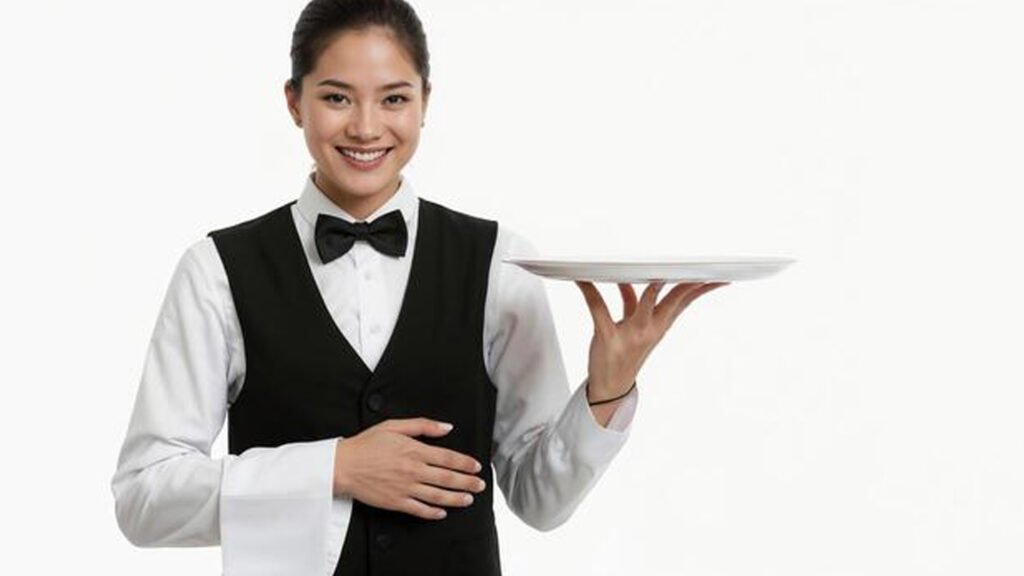
What Do Waitresses Wear
The Standard Waitress Uniform — What Most Restaurants Issue
While every restaurant has its own style, most waitress uniforms fall into one of these categories:
| Restaurant Type | Typical Uniform | Why This Style |
|---|---|---|
| Casual dining | T-shirt or polo + pants or jeans | Comfortable, easy to replace, relaxed brand image |
| Mid-scale / family | Two-tone button-up shirt + black pants | Professional look, instantly identifiable as staff |
| Fine dining | White button-up shirt + black trousers + tie/vest/ apron | Formal appearance, guest-facing polish |
| Bar / pub | Branded polo or t-shirt + dark pants | Casual but consistent team look |
| Themed / branded | Custom top (specific color/style) + matching pants | Brand identity, visual consistency |
Top Styles — What Waitresses Wear on Top
Polo shirts The most common casual-to-mid-scale option. Poly-cotton polo with a collar looks more professional than a t-shirt but is just as easy to move in. Two-tone polos (contrast collar) are popular in chain restaurants for instant staff identification.
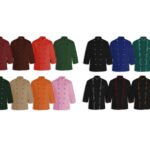
Two-tone button-up shirts The classic front-of-house uniform. Black body with white collar and cuffs, or navy with light blue contrast. Worn in steakhouses, mid-scale restaurants, hotels, and pubs. Professional enough for fine dining but practical enough for daily service.
White button-up shirt Required in fine dining. The white shirt signals formality and cleanliness. It shows every stain — which is exactly the point: customers can see the table is clean and the staff is well-groomed.
T-shirts (branded) Used in casual and fast-casual dining. Usually screen-printed with the restaurant logo. Most cost-effective option but least professional appearance.
Vests and aprons Frequently layered over the top. Aprons protect the uniform underneath and add pocket space. Vests add formality in mid-scale and fine dining environments.
Bottom Styles — Pants, Skirts, and Fit
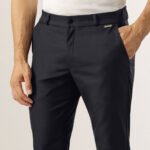
Pants — black, straight-leg, or slightly tapered Black pants are nearly universal in food service. They hide spills, match any top color, and look professional. Straight-leg or boot-cut allows movement without being loose enough to drag on the floor.
| Style | Best For | Why |
|---|---|---|
| Straight-leg black pants | Most restaurants | Professional, hides stains, fits most body types |
| Slim-fit / skinny black pants | Trendy / upscale casual | Modern look, less fabric to drag through spills |
| Black trousers with stretch | Fine dining | Comfort for long shifts, polished appearance |
| Black skirt (knee-length or below) | Fine dining, some casual | Guest preference, formal appearance |
Note: Many waitresses prefer pants over skirts because they're more practical — bending to tables, carrying heavy trays, moving through tight kitchen spaces. Some fine dining establishments still require skirts as part of the dress code.
What Fabric Is Best for Waitress Uniforms?
This is where most restaurant owners make a mistake. They buy cheap cotton or cheap polyester uniforms because the upfront cost is lower, and then replace them every 6 months.
The job does this to fabric:
| Condition | Effect on Fabric |
|---|---|
| 8-10 hour shifts | Fabric stretches, wrinkles, loses shape |
| Food and drink spills | Staining, odor absorption |
| Contact with cleaning chemicals | Color fade, fabric degradation |
| Industrial laundry (60-75°C) | Shrinkage, seam failure, color loss |
| Repeated bending and reaching | Seam stress at armhole and crotch |
| Friction from serving / carrying trays | Abrasion at hip and forearm |
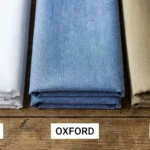
The best fabric for waitress uniforms is TC 65/35 (polyester-cotton) twill or poplin, 200-260 GSM.
| Fabric | Best For | How It Performs |
|---|---|---|
| TC 65/35 Twill (240-260 GSM) | Button-up shirts, pants | Wrinkle-resistant, durable, professional drape. Industry standard for front-of-house |
| TC 65/35 Poplin (180-220 GSM) | Lightweight shirts, summer wear | Crisp, breathable, lighter weight. Good for warm climates |
| TR 65/35 (polyester-viscose) | Fine dining dress shirts | Better drape than TC, sharper appearance. Less breathable |
| Cotton-poly jersey (200-240 GSM) | Polo shirts, t-shirts | Comfortable, breathable, stretchy. Less formal |
| 100% Cotton Twill | Not recommended for uniforms | Wrinkles in hours, shrinks, fades, wears out fast |
What to avoid:
- 100% cotton — wrinkles by mid-shift, shrinks 5-8%, fades after 15-20 washes
- 100% polyester — uncomfortable in hot kitchens, looks cheap, traps odors
- Thin fabrics under 180 GSM — not opaque enough for bending, wears through quickly
- Heavy fabrics over 300 GSM — too hot and restrictive for active service
Key Features a Waitress Uniform Needs
Stretch where you need it. A waitress bends, reaches, carries, and walks continuously. Look for fabrics with 2-5% spandex in the blend, particularly in pants. The stretch extends garment life and improves comfort — it's not just about fit.
Pockets that actually function. Waitresses carry pens, order pads, a wine key, a phone, and sometimes a handheld POS terminal. At minimum: two functional hip pockets on pants, one chest pocket on the top. Bonus: an apron with dedicated pockets for each tool.
Wrinkle resistance. A server in a wrinkled shirt looks unprofessional by 6 PM. TC 65/35 twill comes out of the dryer ready to wear with minimal touch-up. This matters more for the dinner shift than the lunch shift.
Stain resistance. Food service means food spills. A stain-resistant finish (hydrophobic treatment) causes liquids to bead and roll off rather than soaking in. This treatment extends the time between uniform replacements significantly.
Proper fit that covers when reaching. Shirts should be long enough to stay tucked when reaching across tables or up to shelves. Pants should have enough room in the seat and thigh for full range of motion.
Industrial laundry durability. Restaurant uniforms are washed hot and often. The fabric and seams must survive 60-75°C wash cycles weekly without significant deterioration.
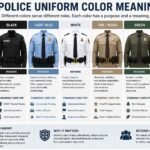
Waitress Uniform Colors — What Different Colors Mean
| Color | Typical Use | Practical Notes |
|---|---|---|
| Black | Most common — base color for pants, popular for tops | Hides stains best, matches any brand color, slimming |
| White | Fine dining shirts, casual polos | Shows every stain — signals high cleanliness standards |
| Navy | Restaurant tops, aprons | Hides stains well, professional, less severe than black |
| Grey / Charcoal | Modern restaurants | Hides stains moderately, less formal than black |
| Maroon / Burgundy | Steakhouses, pubs | Hides stains well, warm tone |
| Teal / Sage | Health-conscious / fresh brand image | Shows stains more than dark colors |
| Brand-specific color | Chain restaurants | Visual consistency across locations |
Aprons — An Essential Part of the Uniform
Most waitresses wear an apron over their uniform. It's not just for appearance — it's a tool.
| Apron Style | Best For | Features |
|---|---|---|
| Half-apron (waist style) | Casual to mid-scale dining | Covers front of pants, 2-4 pockets, easy to remove |
| Full apron (bib style) | Fine dining, sommeliers | Covers front of shirt and pants, more professional, more pockets |
| Cobbler apron | Casual / fast casual | Cross-back design, even weight distribution, full coverage |
| Server apron with dividers | High-volume service | Dedicated slots for pens, wine key, check presenter, POS |
Sizing and Fit Considerations
Waitstaff come in all body types. A uniform program should accommodate sizes from XS to 3X at minimum. Key fit requirements:
- Tops: Long enough to stay tucked. Shoulders not restrictive. Armholes allow full range of motion.
- Pants: Room in the seat and thigh. Waistband should sit at natural waist (not hips) for comfort with apron ties.
- Aprons: Adjustable waist tie for different waist sizes. Length should hit just above the knee.
How Many Uniforms Does a Waitress Need?
| Uniforms Per Person | Scenario |
|---|---|
| 3 sets | Minimum — one worn, one in laundry, one backup |
| 5 sets | Recommended — covers a full work week with laundry cycles |
| 7+ sets | Large hotel or resort programs with daily uniform changes |
How to Choose a Waitress Uniform Supplier
If you're buying waitress uniforms for a restaurant or hotel, verify these before ordering:
- Fabric spec — TC 65/35 or TR 65/35. No 100% cotton, no low-GSM fabrics
- GSM — 200-260 for year-round use
- Stain-resistant finish — Specify hydrophobic treatment for food service
- Wash test report — Shrinkage <3%, color fastness 4+ after 20 industrial washes
- Reinforced seams — Double-stitched at armholes, crotch, pocket corners
- Sizing range — XS to 3X at minimum
- Color matching across orders — Delta E < 1.5 for re-order consistency
Frequently Asked Questions
Q: Why do waitresses wear black? A: Black hides food and drink stains better than any other color. It also looks professional, matches any restaurant brand, and is easy to replace because it's a standard stocking color.
Q: Why do waitresses wear white shirts in fine dining? A: White signals formality, cleanliness, and attention to detail. A white shirt shows every stain, which means the restaurant is confident in its cleanliness standards. It's also the traditional color for fine dining service.
Q: Can waitresses wear shorts? A: In most mid-scale and fine dining restaurants, no. In casual and fast-casual settings, knee-length shorts may be acceptable as part of a coordinated uniform, particularly in warm climates.
Q: What shoes do waitresses wear? A: Non-slip, closed-toe, comfortable for 8-12 hours of standing and walking. Slip-resistant soles are the most important safety feature — kitchen and dining room floors are frequently wet or greasy.
Q: How often should waitress uniforms be replaced? A: With quality TC fabric and proper care: tops every 12-18 months, pants every 12-18 months (pants often show wear faster from apron friction). Low-quality cotton uniforms may need replacement every 6 months.
Get a Quote — Waitress Uniforms and Restaurant Server Apparel
XINGYE TEXTILE manufactures waitress uniforms for restaurants, hotels, bars, and hospitality venues worldwide. Two-tone button-up shirts, polos, t-shirts, trousers, and aprons. TC 65/35 twill, wrinkle-resistant, stain-resistant finish available. Industrial laundry rated. Custom colors and logo embroidery. Factory direct pricing.
Minimum order: 500 pieces per color/size. Sample-first ordering available.